Car Emergency Kit: A Complete Checklist for Every Season
A dead battery, a flat tire, or a sudden snow squall can turn an ordinary commute into a long wait on the shoulder. The difference between a mild inconvenience and a genuinely stressful afternoon often comes down to what you keep in the trunk. A well-stocked car emergency kit is a small project you can finish in one weekend, and this guide walks you through the essentials that belong in every vehicle, the extras for winter, the extras for summer, where to store it all, and how often to refresh it.
Why Keep a Kit in the Car at All?
Breakdowns do not send a warning before they arrive. A mechanical failure, a dead battery, or severe weather can leave you stranded far from the nearest gas station, and the supplies in your trunk may be the only help you get for a while. The American Red Cross points out that being prepared can make all the difference on the road, especially in winter, when a stuck motorist has to manage cold and delays at the same time. A kit also stretches beyond your own car: many drivers report using their jumper cables, first aid supplies, or spare water to help a stranger who broke down on the same road.
The Core Kit: Carry These All Year
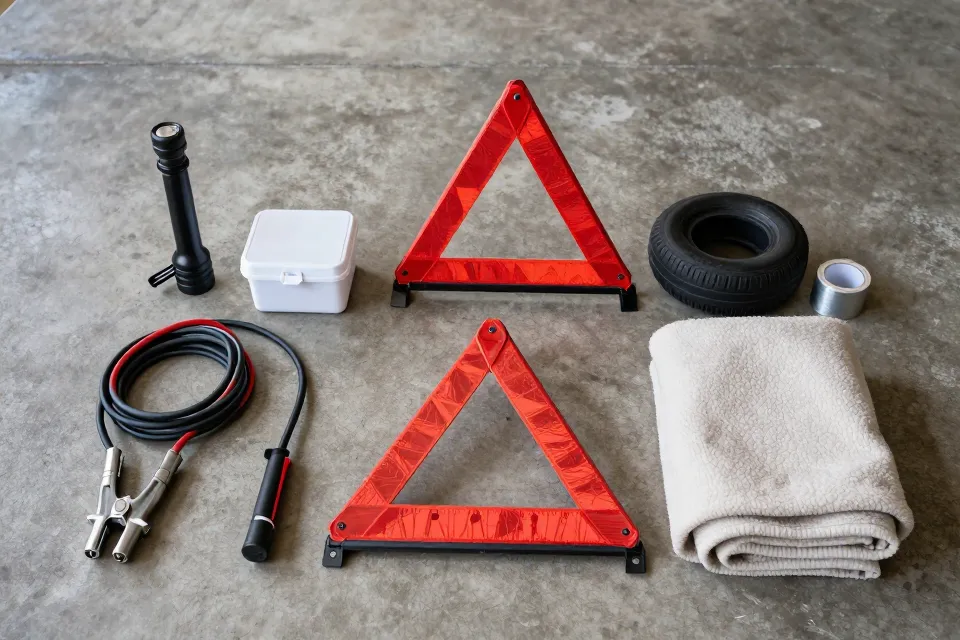
The organizations that study roadside emergencies agree on a short list of items that earn their space in every season. Start here and you have the backbone of a solid kit:
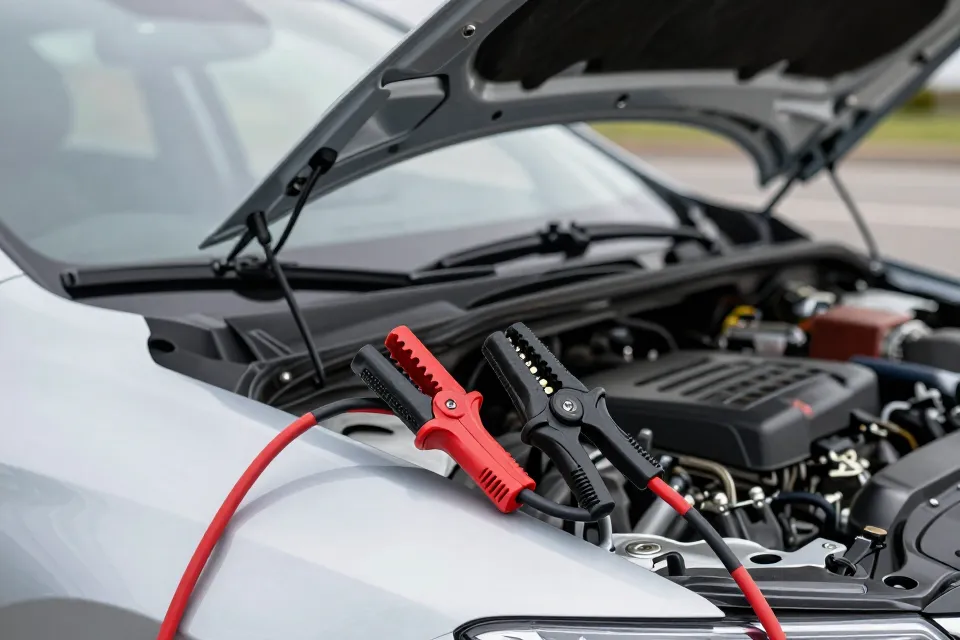
- Jumper cables or a portable jump starter for a dead battery
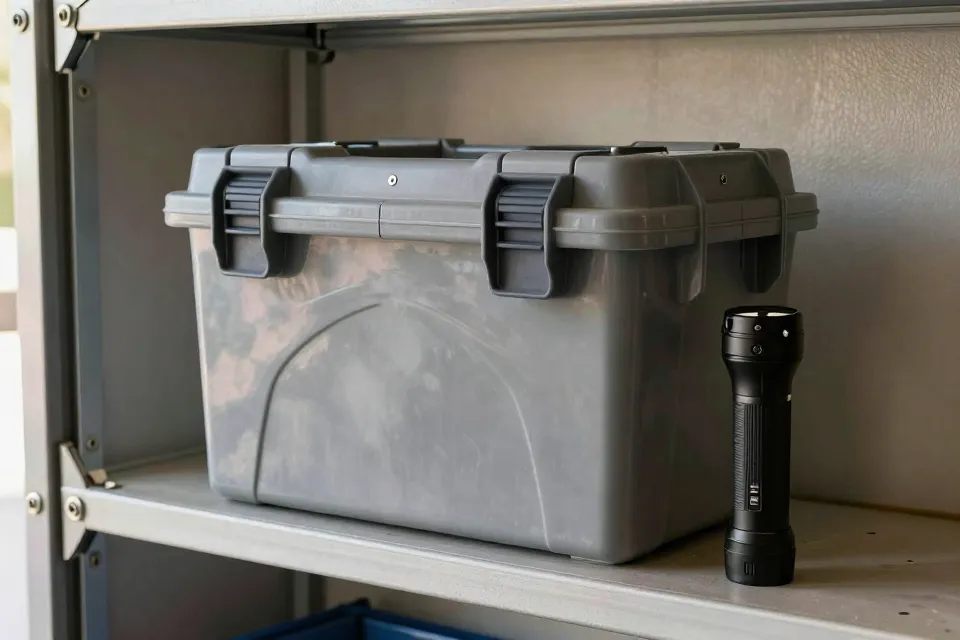
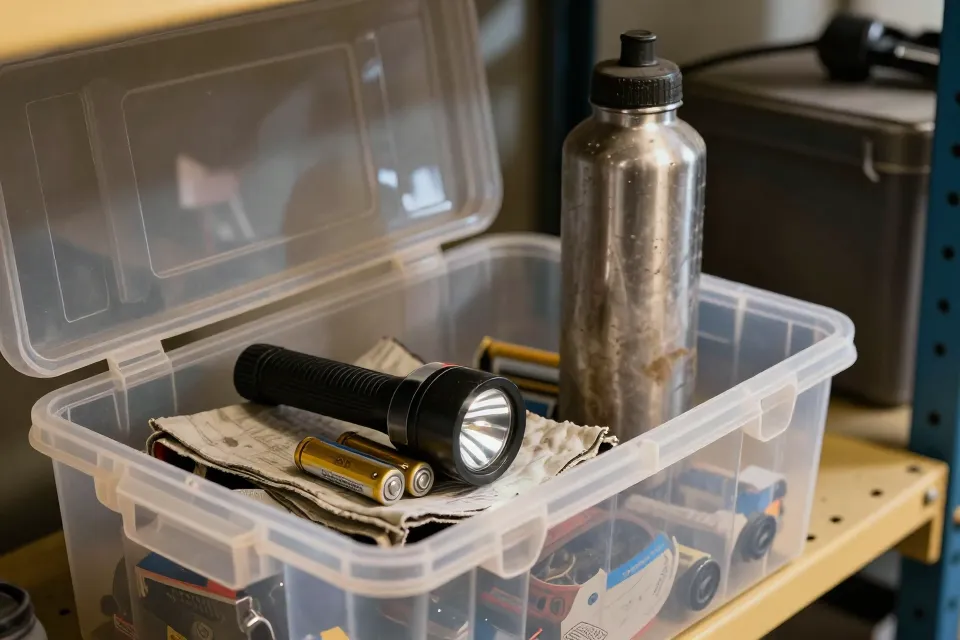
- A flashlight with spare batteries, or a hand-crank light that needs no power source at all
- A first aid kit stocked with bandages, gauze pads, antiseptic wipes, adhesive tape, gloves, and pain relievers
- Water and non-perishable snacks such as granola bars, trail mix, or canned food
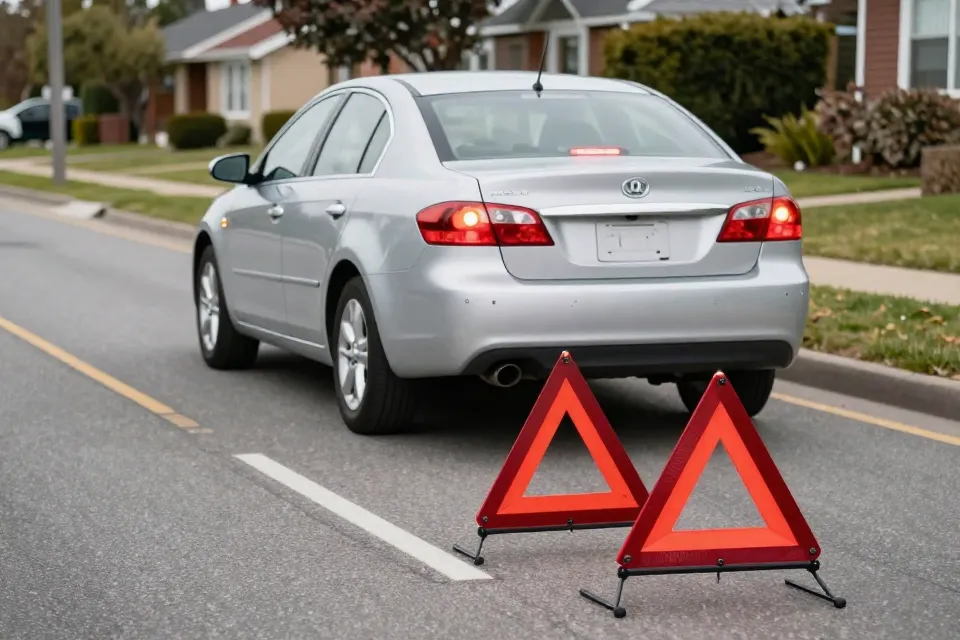
- Reflective warning triangles or road flares so other drivers can see you from a distance
- A tire repair kit and inflator for flats that strike when the spare is not an option
- Basic tools including a screwdriver, pliers, and an adjustable wrench
- A phone charger plus a portable power bank, because a drained car battery can take the phone down with it
- A blanket to keep warm while you wait
- Duct tape, which AAA recommends as a quick fix for broken gear, torn clothing, and loose parts
Many drivers add a multi-tool and a small amount of cash to this list, and the Red Cross suggests a compact shovel and a bag of sand if you live where snow or mud can grab your tires.
The Full Picture at a Glance
Here is the same advice in three columns: the items that ride in your car all year, the extras that go in before cold weather arrives, and the extras for hot months.
| Every Season | Winter Add-Ons | Summer Add-Ons |
|---|---|---|
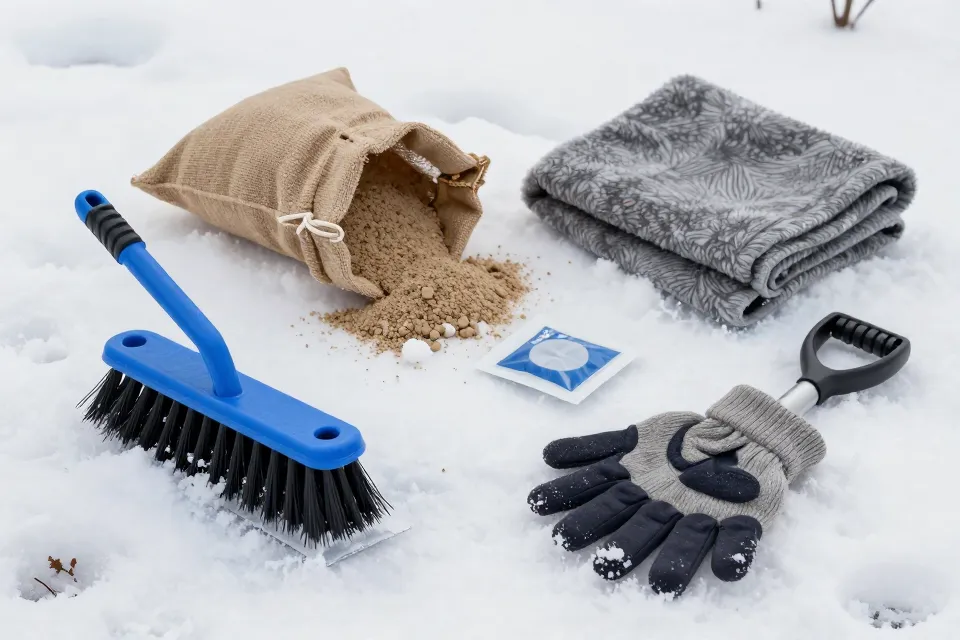
| Jumper cables | Ice scraper and snow brush | Extra drinking water |
| Flashlight and spare batteries | Sand or kitty litter for traction | Sunscreen, hat, and sunglasses |
| First aid kit | Warm blanket, gloves, and hand warmers | Towel or blanket for hot pavement |
| Water and non-perishable snacks | Small snow shovel | Extra radiator water |
| Warning triangles or road flares | Extra food and bottled water | Prescription medications |
| Basic tools and duct tape | Cell phone charger and power bank | Cooler or insulated bag for cold drinks |
Winter Add-Ons: Plan for the Cold
Cold weather changes the math on everything, including your battery. NHTSA notes that batteries lose strength as temperatures drop, and it recommends having a mechanic test the battery, charging system, and belts before winter sets in. The same agency suggests stocking an ice scraper, a snow brush, and sand or kitty litter to give stuck tires traction, keeping a blanket handy, and keeping the gas tank close to full whenever possible. Many drivers also add hand warmers and an extra set of gloves, since fingers lose dexterity fast once the temperature falls below freezing.
Summer Add-Ons: Plan for the Heat
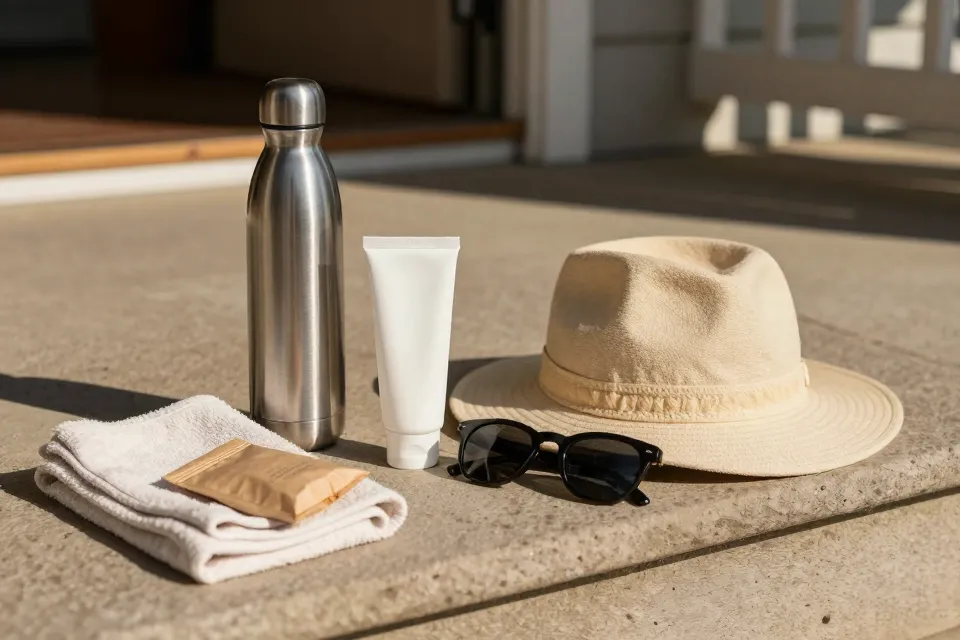
Hot weather strands drivers too, which is why the Arizona Department of Transportation publishes its own list for summer travel. Their essentials include extra drinking water, healthy snacks, a first aid kit along with any prescription medications, a flashlight with batteries, a safety vest or flares, a small tool kit, and extra radiator water for hot conditions. Sunscreen, a hat, and sunglasses round out the list, and a towel keeps you off heat-soaked pavement if you have to kneel beside the car. For a kit that stays in the trunk all summer, ADOT suggests swapping in a solar-powered flashlight and a reusable metal water bottle instead of plastic.
Where to Keep Your Kit
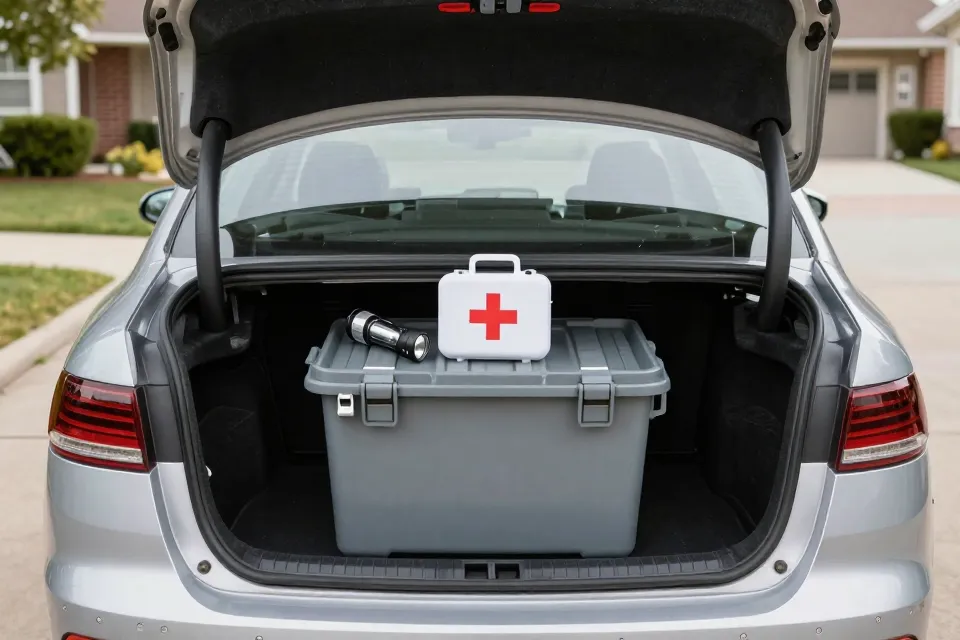
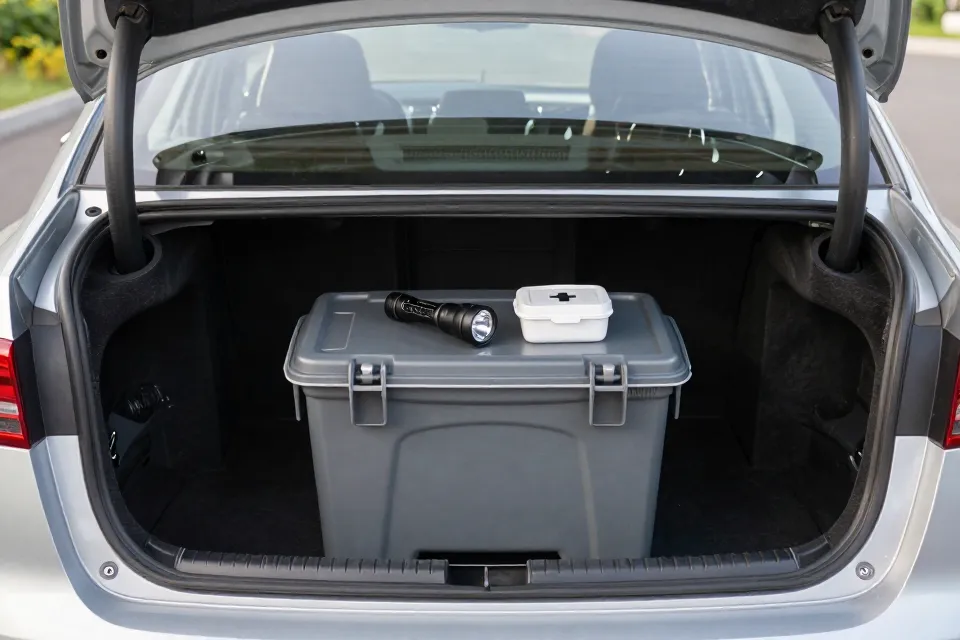
The Red Cross talks about keeping emergency supplies in the vehicle's trunk, and that is still the most popular spot: it stays out of sight and keeps the cabin tidy. Many drivers store the full kit in a plastic storage bin or duffel bag in the trunk, then tuck a smaller first aid kit and a flashlight inside the glove box for quick access. In warm climates, anything heat-sensitive, such as medications or sealed snacks, is happier in the cabin, and many drivers move those into the glove box or under a seat on hot days.
Check the Kit Twice a Year: A Simple Schedule
A kit that sits untouched for years is a kit that fails you at the worst moment. The simplest fix is to tie maintenance to the clock changes twice a year, a habit many drivers use as their reminder. On each check:
- Test the flashlight and replace its batteries
- Rotate stored water and toss any snacks past their expiration date
- Check medications in the first aid kit and replace anything expired
- Inspect jumper cables for cracked or frayed insulation
- Confirm the tire inflator still holds pressure
- Check tire pressure against the sticker on the driver's door frame and look at the tread
NHTSA suggests checking tires at least once a month and before long road trips, with tread that measures at least 2/32 of an inch. Do the same review after any trip where the kit was actually used.
If You Break Down, Use the Kit in This Order
Supplies help most when you use them the right way. AAA recommends this sequence for a roadside emergency:
- Pull as far off the road as you safely can; a parking lot is better than a narrow shoulder
- Switch on the hazard lights so other drivers notice you
- Place reflective triangles or flares behind the car to give approaching traffic early warning
- Stay inside with your seatbelt on if your car is safely off the travel lane; move away and wait at a distance if you are worried about being struck from behind
- Leave the vehicle immediately and call 911 if you smell smoke or see flames
- Have your license and roadside assistance card ready, because the responder will ask for them
Common Kit Mistakes Worth Avoiding
The most common problems are simple to prevent. A flashlight with no spare batteries helps no one, and stored water that has sat for two years is not something you want to drink in a pinch. Many drivers also forget to check the first aid kit seal or never open the kit at all until the day they need it. Keep flares away from anything flammable in the same container, tag the calendar for the twice-a-year check, and replace anything you use on a trip before the next one starts.
Build Yours This Weekend
An emergency kit is one of the cheapest forms of protection a driver can buy, and most of it can be assembled from items already in the house. Start with the core list, add the season extras, put the check-up on the calendar, and you will be ready the next time the road throws a surprise at you.
Want to test more car care skills? Browse the quiz library for quick practice.
Content on KnowHow Bench is for general information only. See our Disclaimer for details.