
Emergency Fund Basics: How Much to Save and How to Start

Your car needs a new transmission on the same week the water heater dies. That is exactly the kind of month an emergency fund exists for. Financial experts consistently recommend keeping a cash cushion for unexpected expenses — but the advice usually ends there. How much is enough? Where should the money live? What counts as an emergency anyway? This guide answers those questions with plain numbers you can act on today, whether you have $20 to start or $2,000.
Why an Emergency Fund Comes First
Before investing, before paying extra on a loan, many financial planners say the first step of any money plan is a cash emergency fund. The reason is simple: without cash on hand, an unexpected bill gets paid with a credit card or a high-interest loan. One surprise expense can then snowball into months of interest payments. Financial educator groups like LetsMakeAPlan.org (run by the CFP Board) describe the emergency fund as money set aside for unexpected expenses, separate from your everyday spending account.
How Much Should You Save? The Expert Rule of Thumb
Certified financial planners widely recommend three to six months' worth of essential living expenses as the eventual target, as reported by consumer finance coverage such as CNBC's explanation of the 3-to-6-month guidance. Note the key phrase: essential living expenses. That is not your full paycheck. It is rent or mortgage, utilities, groceries, transportation, minimum debt payments, and insurance — the bills that keep your life running if the income stops.
Here is the honest part: three to six months of expenses is a big number for most households, and that is fine. The target is a destination, not a starting line. Many advisors suggest you begin by saving enough to cover a smaller goal first: one month of expenses, or even a fixed dollar amount like $500 to $1,000, which handles most unexpected car repairs and household emergencies. Then grow it one month at a time.
Who Needs to Aim Higher (or Can Aim Lower)
The three-to-six-month range is a starting point, not a law. Your situation moves the dial in both directions:
- Aim higher (six months or more) if your income is irregular — freelancers, gig workers, commission-only sales, and the self-employed all face months with little or no income, and many money experts suggest those households build a larger cushion.
- Aim higher if you are the single earner for a family, or if your job market is tight and finding a new role could take a while.
- Aim lower (closer to three months) if you have two steady incomes, strong job security, or a second income stream that could cover basics in a pinch.
- Aim even lower while paying off high-interest debt — many advisors suggest a smaller starter fund (enough for a few weeks of expenses) while you aggressively pay down credit cards, then build the full fund once the high-rate debt is gone, because the interest on that debt costs you more than the fund earns.
What Counts as an Emergency (and What Does Not)
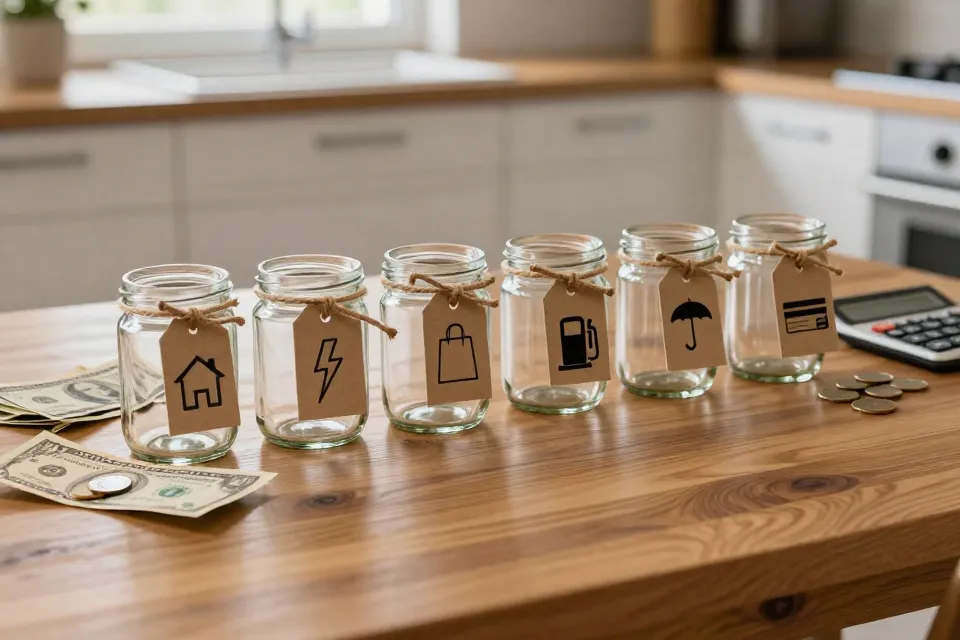
A useful test most money coaches share: an emergency is an unexpected, necessary, and urgent expense. Does the car need to move for work tomorrow? Emergency. Are concert tickets on sale? Not an emergency. Does the fridge repair wait until payday? Probably not an emergency. The clearest way to protect the fund: set a personal rule for what you will and will not spend it on, and write it down. Many households treat anything under a set amount, like $100, as a normal monthly expense rather than an emergency. The same logic explains the "sinking fund" habit: known-but-lumpy costs, like car registration or holiday gifts, are not emergencies — they are planned expenses that deserve their own monthly savings line so they never raid the emergency fund.

Where to Keep the Money, and the One Place to Avoid
The best home for an emergency fund is a separate savings account — ideally one that is easy to reach without being tempting to spend. High-yield savings accounts and credit union savings accounts both work; the money earns a little interest while it waits. Accounts at FDIC-insured banks are protected up to $250,000 per depositor, per account category, which matters for larger balances. Credit unions offer the same protection through NCUA coverage.
Two common mistakes to avoid:
- Do not keep it in your checking account. Money that sits next to your daily spending tends to get spent. A separate account adds a step between you and the cash — and that step is the point.
- Do not invest it in stocks. An emergency fund is not for growth; it is for availability. Investments can drop in value exactly when you need the cash, which defeats the purpose. Keep the emergency fund in cash or cash-equivalent accounts. If you want a middle step for the portion beyond your true emergency cushion, that money can move into safer short-term savings separately — but the emergency layer itself stays liquid.
How to Start When You Have Almost Nothing
Building a cushion feels impossible when the budget is already tight. Here is the method most financial educators recommend, and it works at any income level:
- Set a small first target. Pick a number that feels achievable — $500 is a common starter goal cited by many budgeting guides.
- Automate it. Set up an automatic transfer from checking to savings on payday, even $25 or $50 a paycheck. Money you never see is money you do not miss.
- Bank any windfalls. Tax refunds, bonuses, and cash gifts go straight to the fund until your target is met.
- Trim one thing, redirect it. Cancel one subscription, cook one extra meal at home, and send the difference to savings. Small and steady beats large and rare.
- Replenish after you use it. After a real emergency drains the account, the first job of your next paychecks is rebuilding it. Treat the fund as sacred — refill it before spending on anything extra.
If automating feels out of reach this month, start with a manual habit: every payday, move something — even $10 — before you pay any other bill. The amount matters less than the direction. Savings is a habit you build with repetition, not with a single big deposit.
Emergency Fund Myths, Busted
| Myth | The reality |
|---|---|
| I barely make ends meet, so I cannot save. | Even small automatic transfers carve out a cushion over time; the habit is the point, not the size of the first deposit. |
| A credit card is my emergency fund. | A card is a loan, not savings — an unpaid balance grows with interest while you are already stressed. |
| I need to finish all my debt before saving anything. | Most advisors suggest a small starter fund alongside minimum debt payments, then heavier debt payoff once basic cash is in place. |
| My emergency fund has to be huge before it helps. | A $500 cushion already covers many real emergencies (a tow, a repair, an urgent prescription). |
| As long as the money is somewhere with my name on it, it counts. | Money you can reach in one tap from your checking account gets spent. Separation is what makes it an emergency fund. |
The One-Minute Emergency Fund Plan
- Opened a separate savings account (FDIC or NCUA insured)
- First target set ($500, or one month of essential expenses)
- Automatic transfer scheduled for payday
- Personal rule written down: what counts as an emergency
- Windfalls (refunds, bonuses) assigned to the fund
- High-interest debt plan noted (pay minimums, build starter fund)
Start with one small step today — open the account or set the automatic transfer. In a year, the difference between households that do this and households that do not is often the difference between a crisis and an inconvenience. That is what the emergency fund is really for: turning life's surprises from emergencies into bill payments.
Want to practice more money habits? Browse the quiz library for quick checkups.
Content on KnowHow Bench is for general information only and is not financial advice. See our Disclaimer for details.