The Home Safety Checklist: 12 Things Every Homeowner Should Check
When was the last time you tested your smoke alarm? If you have to think about it, that is already a sign. Most home fires and injuries are preventable with a short list of checks that take an afternoon — not a weekend. The numbers behind this guide come from the U.S. Consumer Product Safety Commission (CPSC), the National Fire Protection Association (NFPA), and home-safety specialists, so every step traces back to someone whose job is studying home disasters. Work through the checklist once a year — many families use Daylight Saving Time as their reminder — and your home gets measurably safer.
The Most Important Check: Smoke and CO Alarms
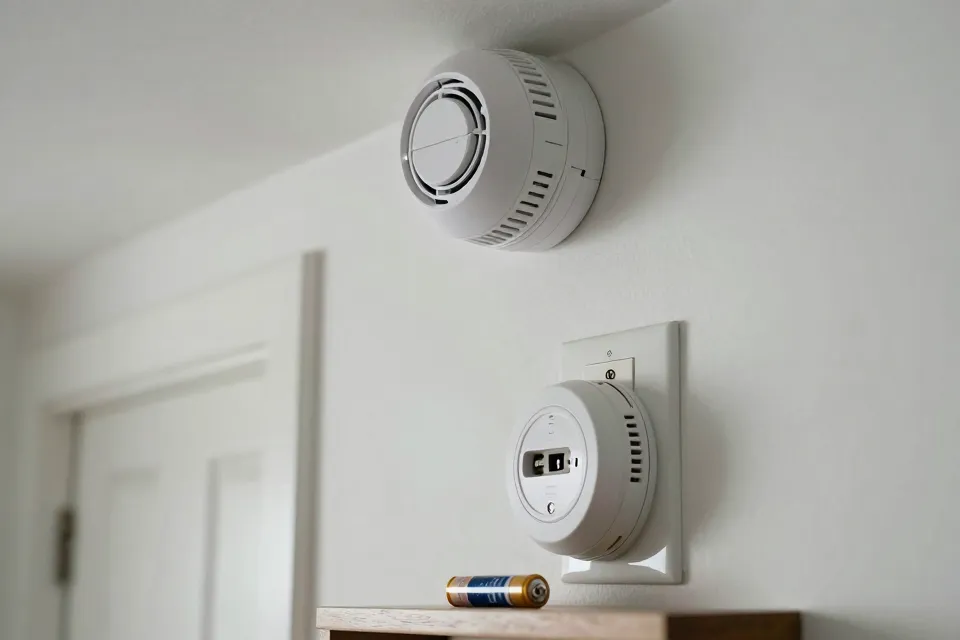
Every level of your home, every bedroom, and every sleeping area should have a working smoke alarm. That layout is the standard fire-safety advice — NFPA recommends alarms inside each bedroom, outside each sleeping area, and on every level of the home, including the basement. Carbon monoxide detectors belong near sleeping areas too, and experts advise placing CO alarms outside bedrooms; some states require them on every level.
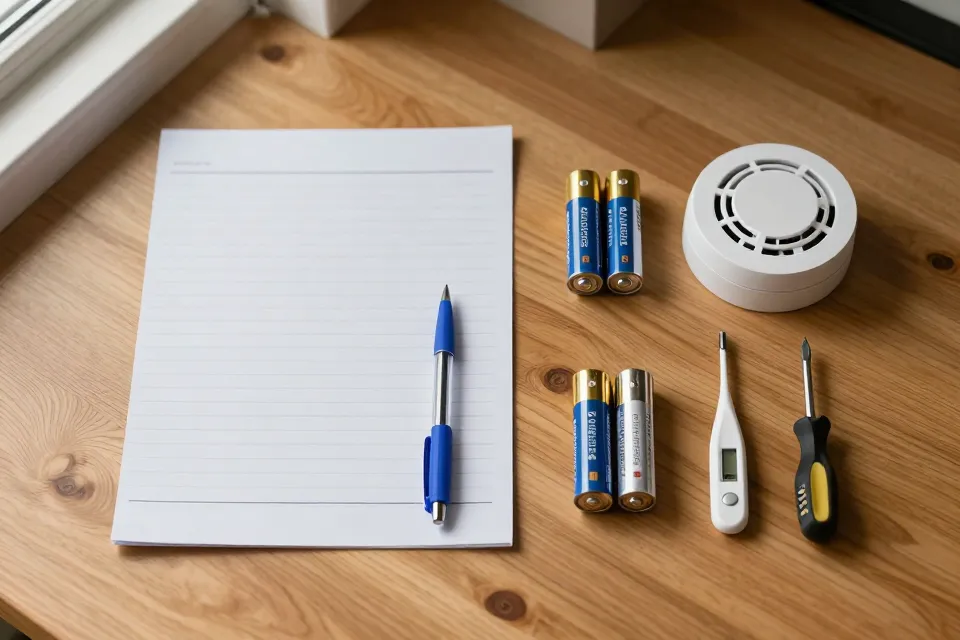
Then comes the part people skip: testing. Test every alarm once a month by pressing the test button until the horn sounds. Replace the batteries at least once a year — a good habit is to swap in fresh batteries when you change your clocks. And alarms do not live forever: smoke alarms should be replaced every 10 years, and most CO alarm manufacturers recommend replacement after 5 to 7 years. If your alarm is older than that, or it chirps for no reason, replace it. A chirping alarm is a tell that its battery or its sensor is done.
Check Your Water Heater Temperature
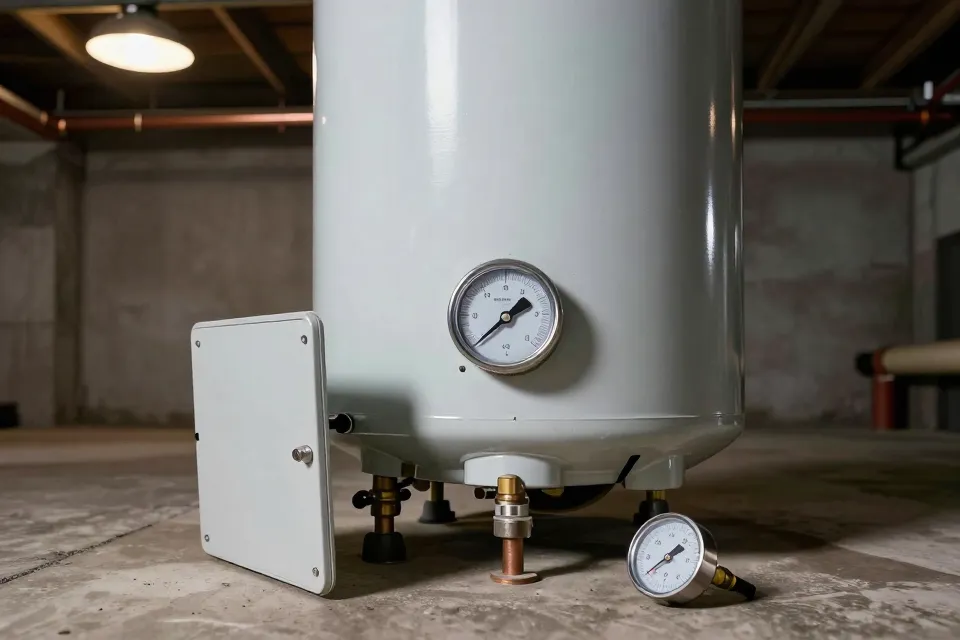
Scalding from tap water sends thousands of people to emergency rooms every year, and the riskiest burns hit young children and older adults. The simple fix is a lower thermostat. Many water heaters ship set at 140°F. The CPSC has long recommended setting home water heaters to 120°F to reduce scald risk, and housing codes for new construction commonly require water at the tap at or below 120°F. Find the thermostat dial on your unit (it is usually behind a small panel near the bottom), set it to 120°F, and let it settle overnight before testing tap temperature with a cooking thermometer. If you have children or older adults in the home, this one dial change matters most.
Keep two cautions in mind. First, if you have a dishwasher without a built-in heater, check its manual — some rely on very hot incoming water, though most modern models heat their own water. Second, some people with suppressed immune systems need hotter water for medical reasons; talk to your doctor before lowering the temperature if that applies to your household.
Follow the 3-Foot Rule in the Kitchen and Beyond
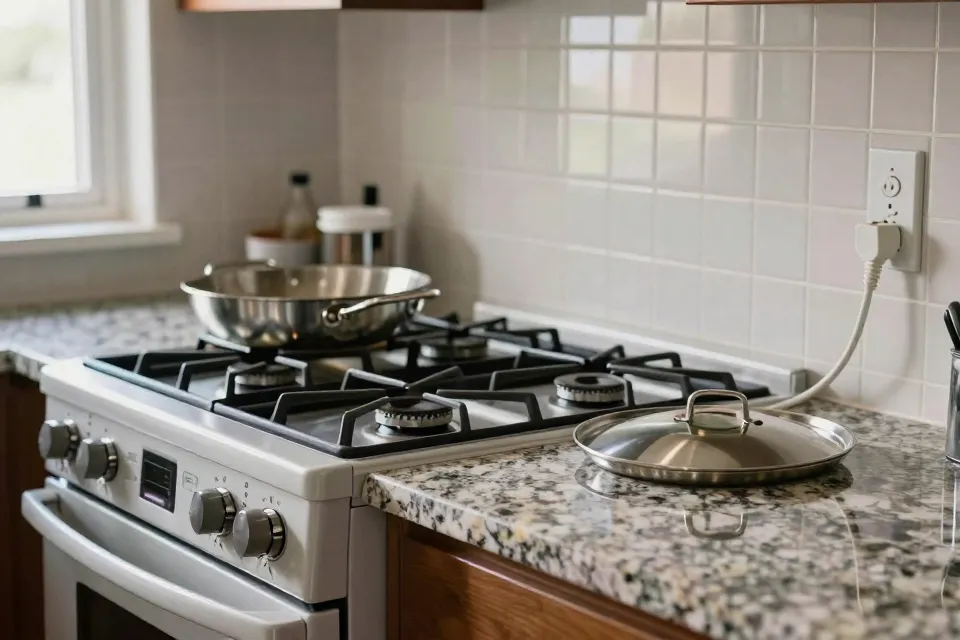
The kitchen is the leading room for home fires, and most start at the stove. Build these habits:
- Keep a 3-foot clear zone around the stove and oven. Pot holders, paper towels, dish towels, and food packaging should stay at least 3 feet away from burners.
- Stay in the kitchen while cooking. Unattended cooking is the number-one cause of cooking fires. If you must leave, turn the burner off.
- Turn pot handles inward so they cannot be knocked or grabbed — especially by children.
- Keep a lid nearby. If a pan catches fire, slide a lid over it, turn off the burner, and leave it covered until cool. Never pour water on a grease fire.
- Test your kitchen smoke alarm monthly, near but not right above the stove where steam and smoke can set it off constantly.
The same 3-foot thinking applies to space heaters: keep them at least 3 feet from anything that can burn, and turn portable heaters off when you leave the room or go to sleep.
Stop Electrical Hazards Before They Start
Electrical fires are a leading cause of home fire deaths, and most are simple to prevent:
- Do not overload outlets or power strips. One high-draw appliance per outlet is a safe habit — space heaters and big appliances should plug directly into a wall outlet, never into a power strip or extension cord.
- Extension cords are temporary. Use them for a few hours, not as permanent wiring. If you need a cord in one place for months, hire an electrician to add an outlet.
- Watch for warning signs. Warm outlets, flickering lights, burning smells, and buzzing sounds are worth calling an electrician about — they point to wiring problems.
- Check cords for damage. Frayed, cracked, or chewed cords get replaced, not taped.
- Keep all electricals away from water, and never reach for an appliance with wet hands.
- GFCI outlets (the ones with the TEST and RESET buttons) belong in kitchens, bathrooms, garages, and outdoors. If yours predates GFCI or a test fails, have it replaced.
If you are curious how much you already know about home wiring, the Electrician Basics Quiz is a fun five-minute check.
Make an Escape Plan That Everyone Knows
Smoke alarms give you the warning, but a plan gets you out. Fire can spread in minutes, and the NFPA says a home fire escape plan should include:
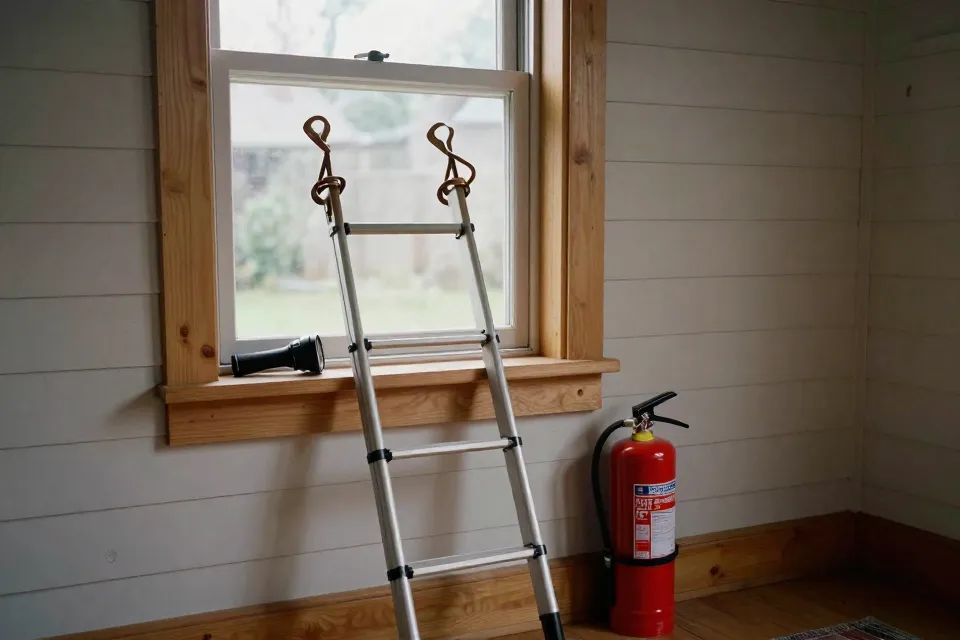
- Two ways out of every room — a door and a window, for example.
- A meeting place outside — a tree, mailbox, or neighbor's porch, far enough from the house.
- Practice. Run a fire drill at home twice a year, once at night. Yes, it feels silly the first time. The family that has practiced moves faster and calmer in a real emergency.
- Once out, stay out. Never go back in for pets or belongings — tell the firefighters what or who is inside.
- Teach everyone to crawl low under smoke and to check doors with the back of the hand before opening them.
Give each person a job (who grabs the phone, who helps small children) and post the plan where everyone can see it. If anyone in the home cannot get out alone, plan who assists them.
Quick Checks for the Rest of the House
- Carbon monoxide sources: have fuel-burning appliances — furnace, water heater, fireplace, dryer — inspected by a professional once a year.
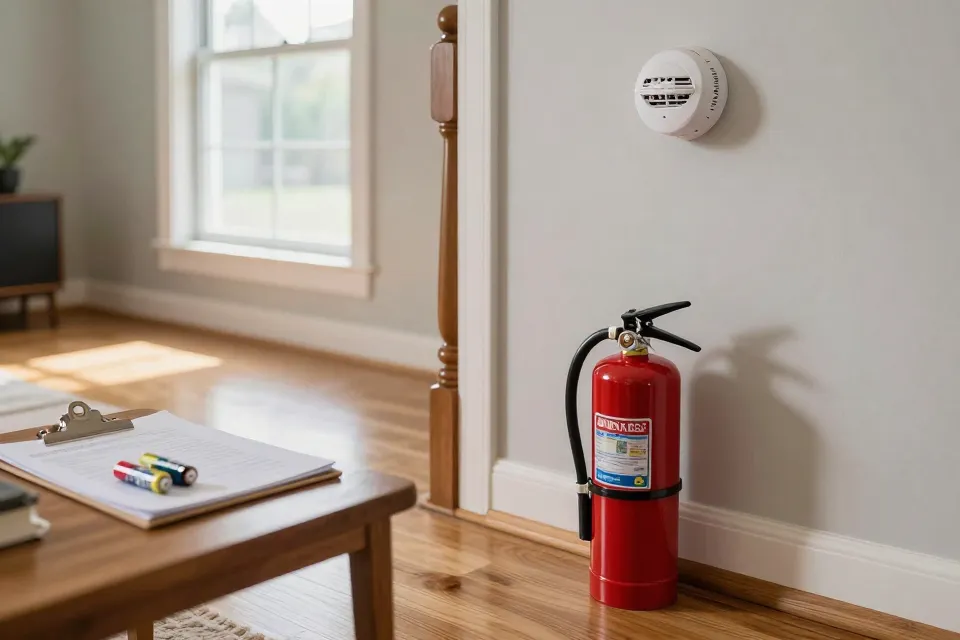
- Fire extinguisher: keep one on each level, especially the kitchen, and check the gauge monthly. Learn the basics now: pull the pin, aim at the base of the fire, squeeze, sweep.
- Rugs and cords: secure loose rugs with non-slip backing and tuck cords along walls. Falls are a leading home injury among older adults.
- Bathroom grab bars: if older adults or children bathe in the home, consider grab bars near the tub — a towel bar is not a handhold.
- Medications and cleaning products: store them up, away, and locked where children cannot reach.
- Garage: store gasoline in approved containers, away from water heaters and pilot lights, and never run a car in a closed garage.
The Once-a-Year Checklist, All in One Place
Print this list, walk your home, and check each box:
- Smoke alarm on every level, in every bedroom, and outside sleeping areas
- CO detector outside sleeping areas, batteries fresh
- Every alarm tested this month (then again every month)
- Any alarm older than 10 years replaced
- Water heater set to 120°F
- 3-foot clear zone around the stove
- Pot handles turned inward; lids within reach
- Outlets not overloaded; extension cords temporary
- No frayed cords; no warm or buzzing outlets
- Escape plan drawn, posted, and practiced twice a year
- Meeting place outside the home agreed on
- Fire extinguisher present, charged, and everyone knows the basics
- Loose rugs secured; paths clear
- Medications and cleaners locked away
- Annual furnace and appliance inspection booked
Pick a date — Daylight Saving Time weekend is the classic one — and run this list every year. Most items take under a minute, and a few phone calls book the rest. Home safety is not about being afraid; it is about being ready. The house that passes this checklist every year is a house where accidents become rare instead of routine.
Want more practical skills for life at home? Browse the quiz library and test what you already know.
Content on KnowHow Bench is for general information only. See our Disclaimer for details.