
First Apartment Checklist: What to Check Before You Sign
Moving into your first apartment is a milestone most people remember for years — some fondly, some through stories of surprise fees and mystery stains. The gap between those two memories is usually a checklist. This guide covers the whole journey: what to budget before you even look, what to check at every showing, how to spot a rental scam, what to read in your lease, and how the move-in inspection protects your deposit.
Start With the Numbers, Not the Furniture
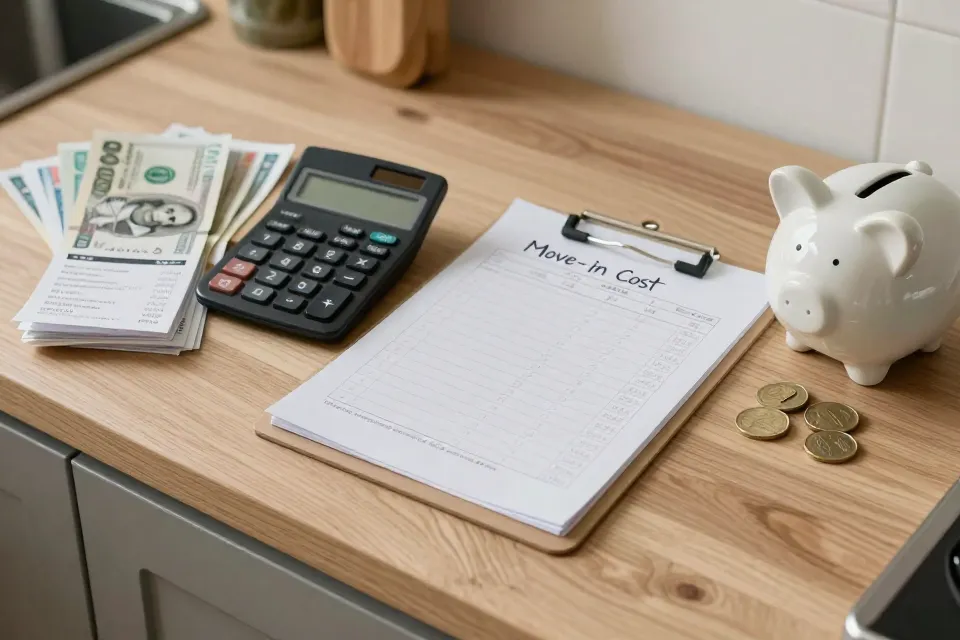
The single biggest reason first moves go sideways is money — rent plus everything attached to it. A long-standing benchmark used by federal housing researchers treats housing as affordable when it takes no more than 30% of household income; past that line, a household is called 'cost burdened.' That measurement traditionally covers housing plus utilities, so treat 30% as a planning target, not a magic number.
| Monthly cost | What it covers | Ask before signing |
|---|---|---|
| Rent | Your largest bill | Price firm? Due date? Late fee spelled out? |
| Electricity and gas | Heating and cooling drive these | Ask for typical monthly bills |
| Water, trash, sewer | Sometimes folded into rent | Who actually pays? |
| Internet and TV | Depends on local providers | What works at this address? |
| Renter's insurance | Modest cost, protects your stuff | Required? Many leases say yes |
| Parking, pets, laundry | Small items, add up fast | Get every fee in writing |
Most first-time renters also miss the one-time bills that arrive before the first rent check: application fees, a security deposit (very often around one month's rent, sometimes more — rules vary by state), utility hookup deposits, moving costs, and basics such as a bed and cookware. List them before you tour, and you won't be caught short.
Tour Like a Detective, Not a Guest
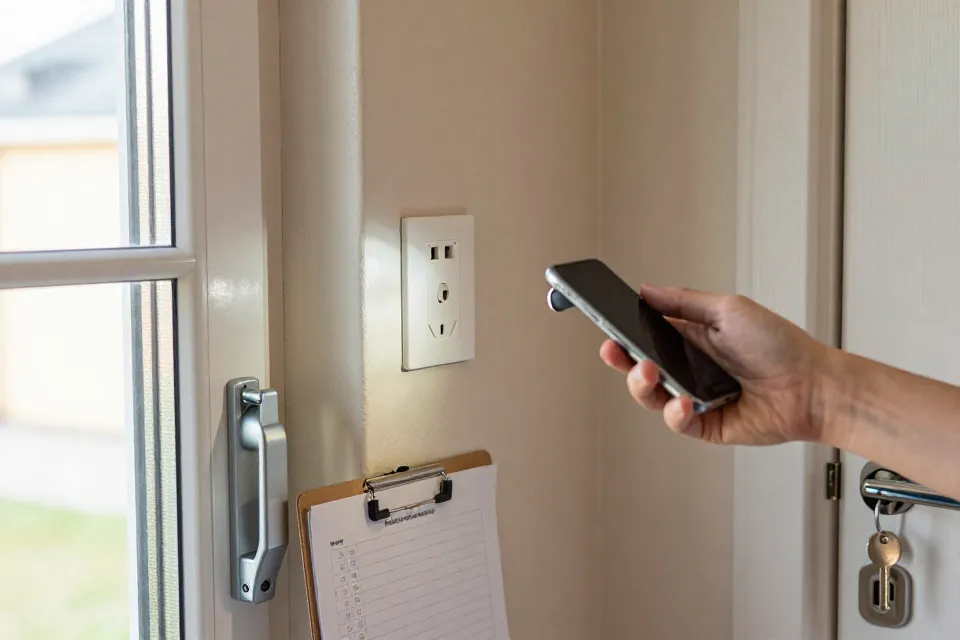
The showing is your one chance to see the place before you commit, yet most renters spend it admiring the light instead of testing the details. Tour with your phone in hand, touch and open things yourself, and visit twice if you can — once by day, once on a weekday evening, when noise, parking, and lighting tell the real story.
Run through this checklist room by room:
- Turn on every faucet and flush every toilet; weak pressure or slow hot water is a warning, not a quirk.
- Open and close every window and door, and test every lock, including sliding doors.
- Inspect ceilings, cabinet interiors, and under sinks for water stains — they usually mean past or recurring leaks.
- Plug your phone charger into several outlets to confirm the wiring works where you need it.
- Look for pest clues: droppings, traps, gaps under doors, holes in screens.
- Check corners and bathrooms for mold, and test your phone signal in every room — a dead zone grinds on you daily.
- Ask about heating and cooling: how old is the system, and who handles repairs?
- Drive the commute at rush hour, not on a quiet Sunday.
- Find out where laundry, trash, parking, and mail live, and who shovels snow or mows.
- Ask which utilities are included and how quickly maintenance requests are handled.
- Confirm pet rules, guest rules, and quiet hours before you need to know them.
Watch for Rental Scams Before You Pay a Dime
Fake listings belong on every first-apartment checklist. The FTC counted nearly 65,000 rental scam reports from consumers since 2020, with roughly $65 million in reported losses — and warns the real damage is likely bigger, because most scams are never reported.

The usual trick: scammers copy the photos and description from a real listing, swap in their own contact information, and repost the ad elsewhere. When you respond, they collect an application fee, deposit, or first month's rent — then vanish. Walk away from rent far below other units in the area, messages pushing you to pay quickly, a supposed landlord who will not meet in person, and the same address under different company names.
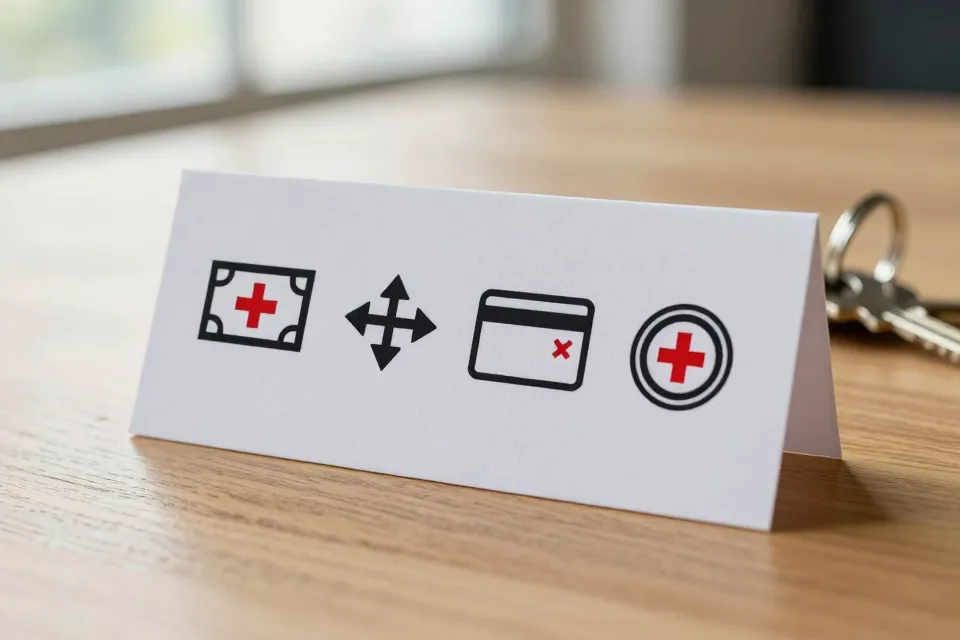
The FTC's core warning: never pay rent, fees, or deposits with cash, wire transfers, gift cards, or cryptocurrency — those payments act like cash and are nearly impossible to get back. And make the visit non-negotiable: see the unit yourself or take a live video tour before sending anyone a dollar. Search the owner or management company's name online alongside words like 'complaint,' 'review,' or 'scam,' and check if the listing appears on the company's own website. If you do get burned, report it to the listing site, local law enforcement, your state attorney general, and the FTC at ReportFraud.ftc.gov.
Read the Lease Like a Contract (Because It Is)
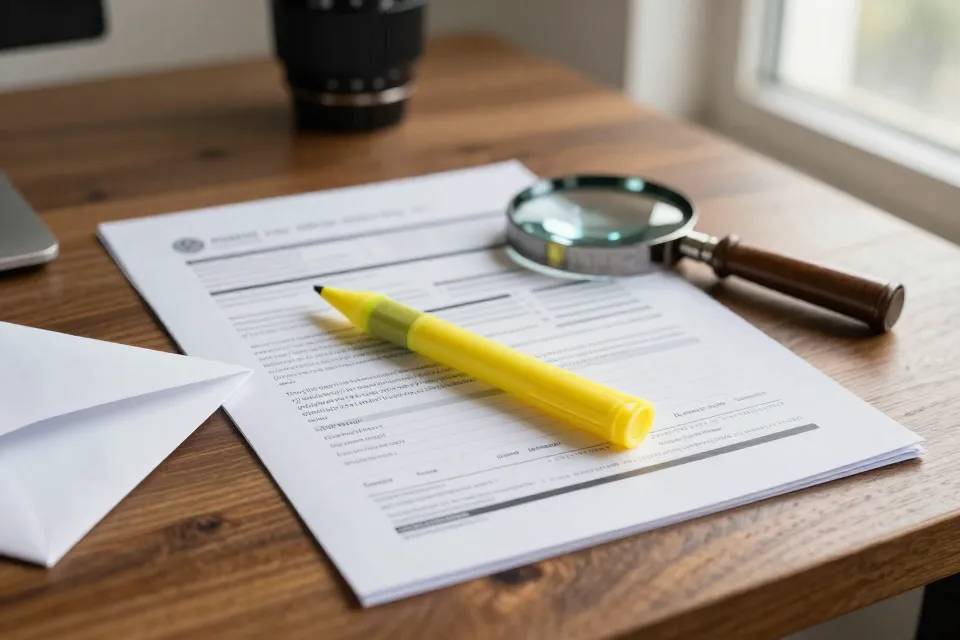
A lease is a legally binding agreement, and its fine print becomes your everyday reality on move-in day. Read the whole document before signing — twice if it is your first lease — never leave blank spaces, and keep a copy of everything you sign. Pay special attention to: the rent amount and due date; late fees and grace periods; the lease term and what happens when it ends; which utilities the rent covers; pet, guest, parking, and subletting rules; how maintenance requests work and who pays; the notice either side must give to end the tenancy; and who is named on the lease — every adult living there should be listed.
Know Your Rights on Background Checks
Most landlords and property managers screen applicants with tenant background reports, and those reports are not always accurate. Under the federal Fair Credit Reporting Act, if such a report influences their decision — you are turned down, or charged a higher deposit or fee — the landlord must say so and give you the name and contact details of the company that produced the report. The CFPB notes you can get a free copy of that report if you ask within 60 days. Spot a mistake? Dispute it in writing with both the screening company and whoever supplied the wrong information, and attach any proof you have. Negative items such as evictions generally drop off after seven years by federal rule, though state rules can differ.
Your Rights Against Discrimination
Federal law makes it illegal for a landlord to refuse to rent to you, or to treat you differently, because of your race, color, religion, sex, national origin, whether you have children, or a disability. If you believe you were discriminated against, you can complain to HUD or reach out to a local fair housing organization. Those protections start at the application stage, not after you move in.
The Move-In Inspection: Your Deposit's Best Friend
A security deposit is often a full month's rent or more, and deposit disputes are among the most common landlord-tenant headaches. The good news: landlords generally cannot charge you for ordinary wear and tear — the slow aging every apartment goes through. Stains and holes you cause are a different matter. States write their own rules on how deposits are handled and returned, so check your state's deadlines; the habit that protects you everywhere is documenting the place on day one.
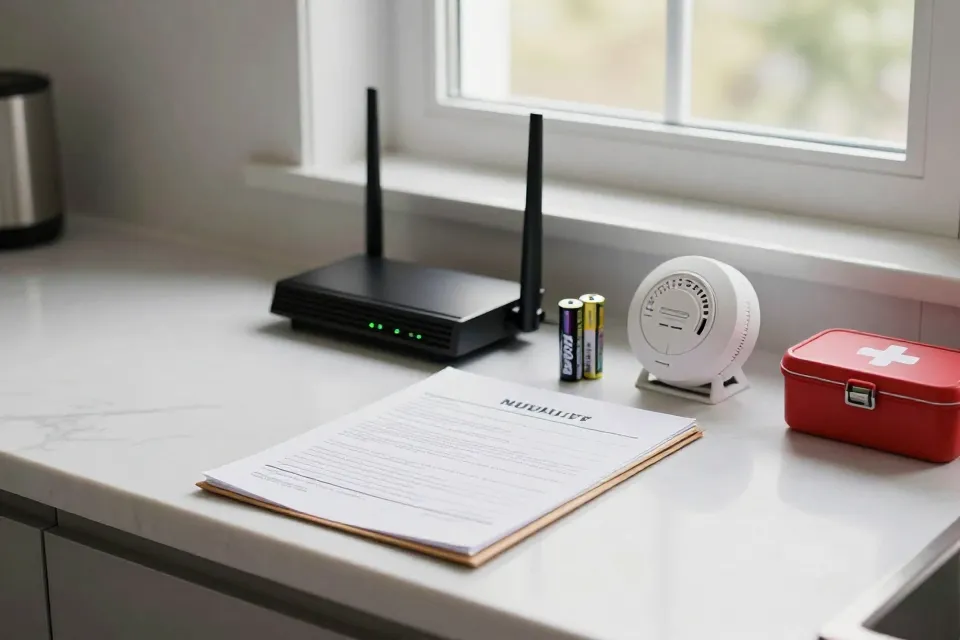
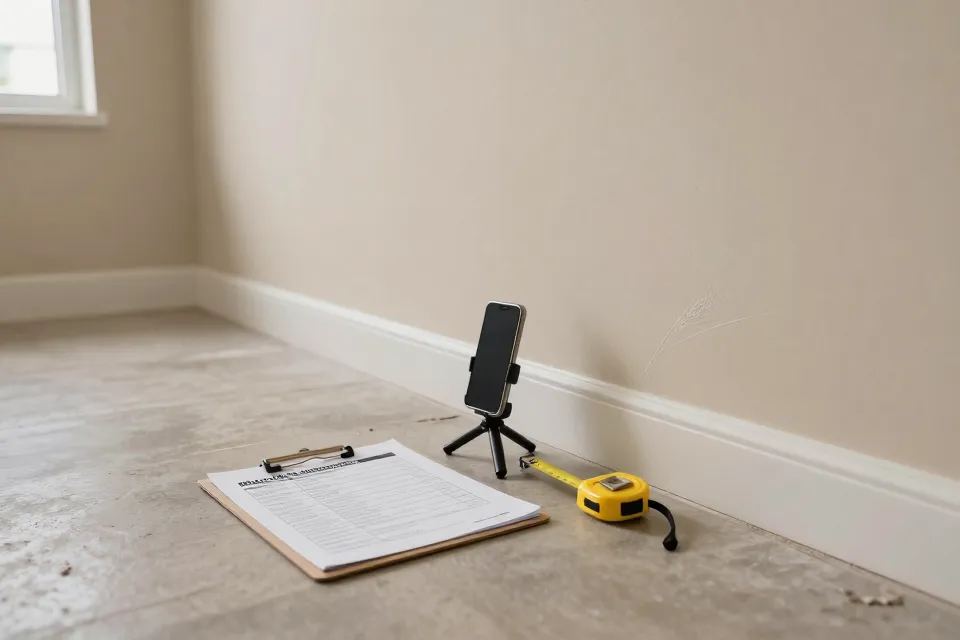
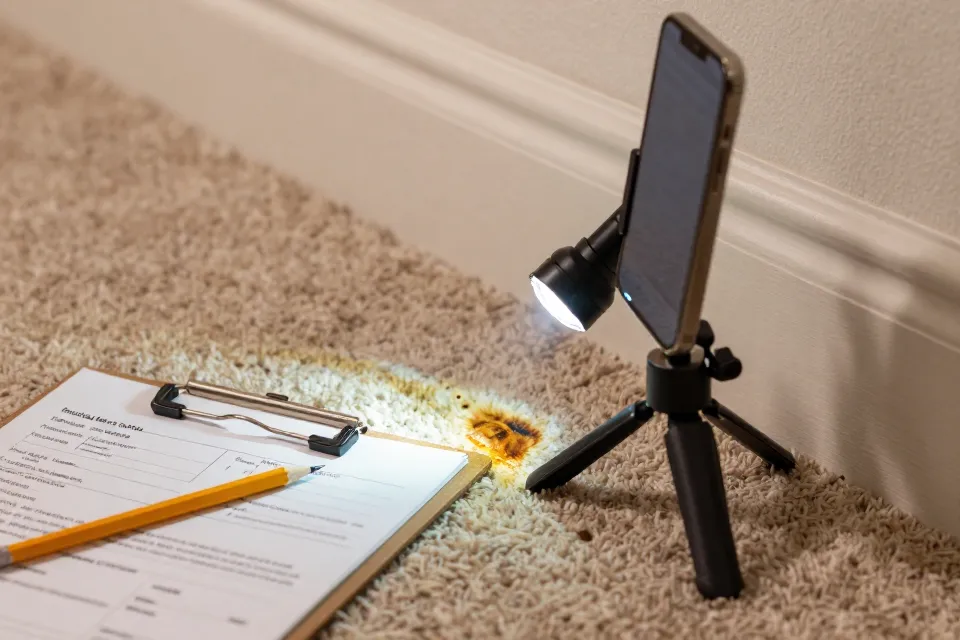
Do it within your first day or two, ideally with the landlord or property manager. Walk every room with your phone camera: walls, ceilings, floors, windows, doors, closets, under sinks, inside the oven and fridge, and every light switch and outlet. Photograph and video each scratch, chip, stain, and crack, and note anything missing, from smoke detectors to cabinet handles. Write existing damage on the inspection form, get both sides to sign it, then email a date-stamped summary to the landlord. Some leases give you only a few days to report problems, so move fast and put everything in writing. If something new appears — a leak, a broken appliance — tell the landlord in writing right away.
The First Week: Small Stuff, Big Difference
Before you move, schedule your utilities — electricity, gas, water, internet — to start a day or two ahead of you, and book the internet installer early; appointment windows fill up. Change your address with the postal service and update your bank, employer, and bills. Buy essentials in order of need: somewhere to sleep, food and basic cookware, cleaning supplies, toiletries, and safety basics like a fresh-battery smoke alarm and a first-aid kit. Leave décor for month two. Then learn the building: trash and recycling spots, laundry hours, package pickup, and how to reach the landlord after hours. If you can, say hello to a neighbor — they know the quirks no listing mentions.

First-Timer Mistakes to Skip
| Mistake | Why it hurts | The fix |
|---|---|---|
| Skipping the move-in inspection | Old damage gets blamed on you | Photo and video everything on day one |
| Paying before seeing the unit | That is how most rental scams work | Tour in person, every time |
| Signing a lease you never fully read | Surprise fees and rules become yours | Read it twice and keep your copy |
| Budgeting rent but not utilities | Real bills blow past the 30% line | Add typical bills before you commit |
| Buying a full apartment in week one | Overspending drains your savings | Buy essentials, then decorate slowly |
Your First Apartment, Done Right
Give the process a few weeks instead of a few days. Use this checklist at every stage, write things down, and never let anyone rush you into a decision about a home. The renters who enjoy their first year are the ones who asked the boring questions up front — in writing.
Want to test more everyday skills? Browse the quiz library for quick practice.
Content on KnowHow Bench is for general information only and is not financial advice. See our Disclaimer for details.