How to Read Your Utility Bills: Electricity, Gas, and Water Explained
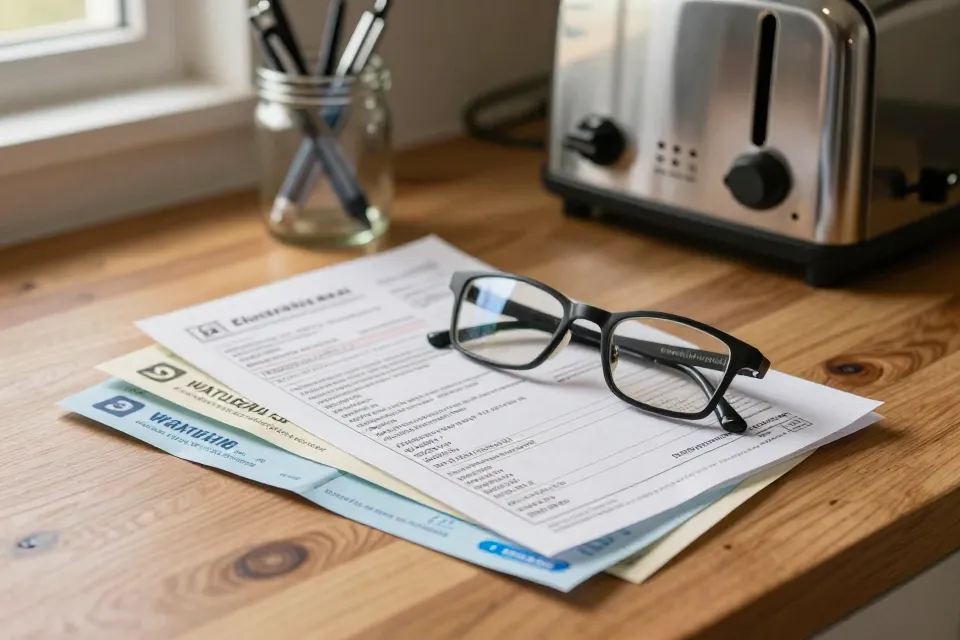
Your electric bill arrives every month with a list of charges you have never read and a total you barely understand. It is tempting to just pay it and move on — but a bill you cannot read is a bill you cannot question. This guide walks through the three big ones — electricity, natural gas, and water — in plain English: what each line means, what is worth checking, and how to catch errors before you overpay. One important note up front: rates, fees, and bill layouts vary by state and by utility company, so this guide explains the standard structure, not your specific bill. When in doubt, the contact number on your own bill is the fastest way to get answers.
Electricity: The Bill Built on Kilowatt-Hours
The U.S. Energy Information Administration (EIA) explains electricity billing simply: you pay for the energy you use. On most residential bills the single biggest number is your usage, measured in kilowatt-hours (kWh) — one kWh is the energy used by a 1,000-watt appliance running for one hour. A typical American household uses several hundred kilowatt-hours per month, though exactly how many depends on your home, your climate, and your appliances.
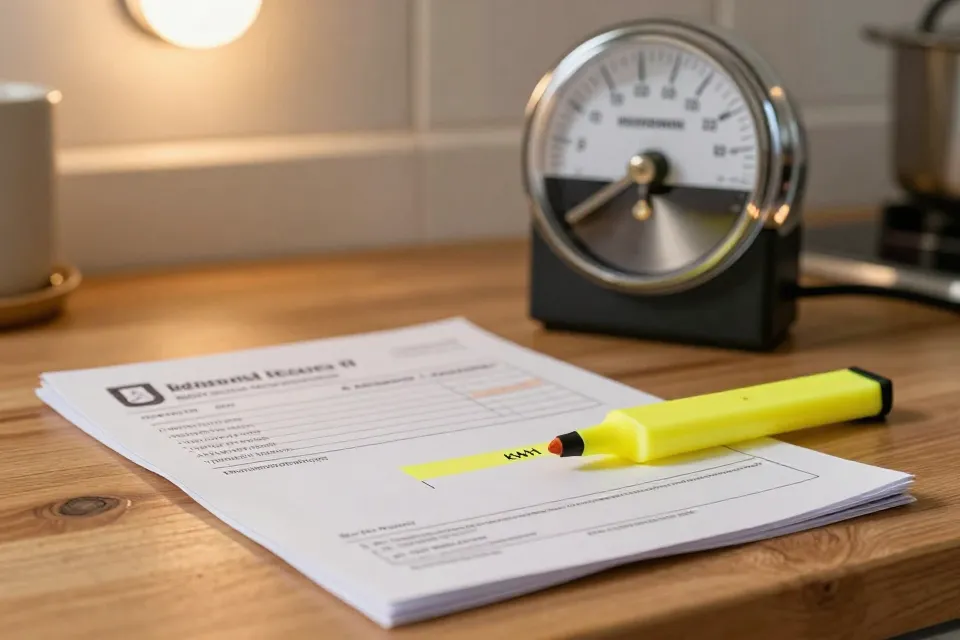
Your bill usually shows the meter reading from last month and this month; the difference is what you used. That usage is then multiplied by a rate, typically shown as cents per kWh. On top of the energy charge, many bills add:
- Delivery or distribution charges — the cost of keeping the wires and poles that bring power to your house, which your local utility charges even though the market may set the energy price separately.
- Fixed monthly charges — a basic service fee that covers billing and customer service.
- Taxes and fees — state and local charges, sometimes listed separately.
Some states let customers choose their electricity supplier, so the bill may show a separate "supply" portion (who generated the power) and "delivery" portion (the local wires company). If yours is split that way, you are looking at two companies on one bill — and comparing supply rates is how some customers save.
How Rate Structures Change the Math
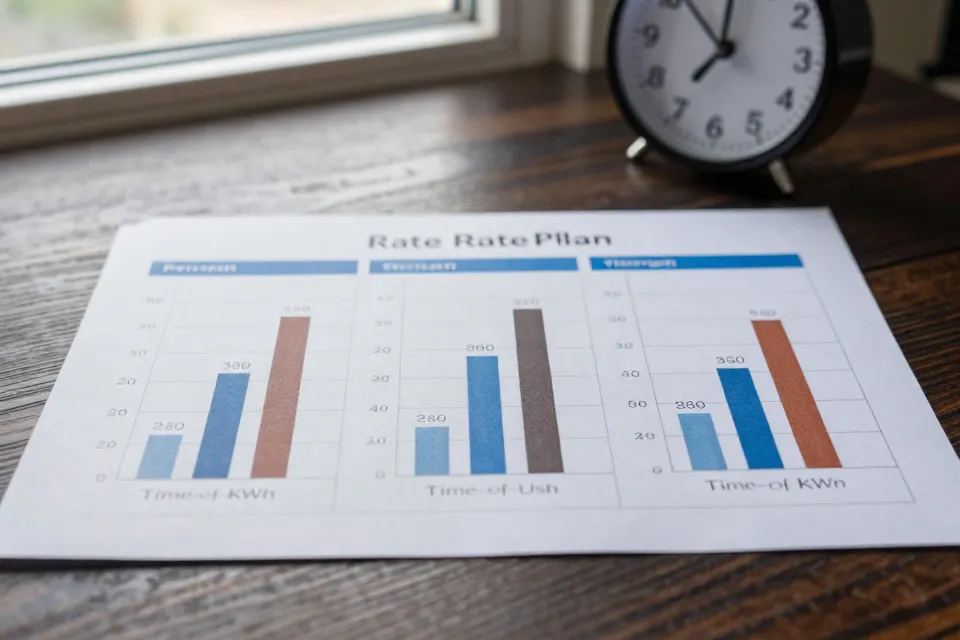
Not every kWh costs the same, and the shape of your rate plan matters as much as the rate itself:
- Flat rates. One price per kWh no matter when you use it — simple, and the easiest to predict.
- Tiered (block) rates. The price per kWh rises after you pass a usage threshold. Once you are in a higher tier, shaving even a little usage can save real money, because those top-tier kilowatt-hours cost the most.
- Time-of-use (TOU) rates. Electricity costs more at peak hours (often weekday afternoons and evenings) and less at off-peak times (overnight). On a TOU plan, running the dishwasher or laundry at night instead of at dinnertime can lower the bill without using less energy.
Your bill usually states which structure you are on, and your utility can tell you if a different option is available. Knowing your structure explains odd month-to-month jumps — on a tiered plan, a hot July that pushes you into a higher tier makes every additional kWh more expensive than the same usage would cost in March.
Natural Gas: Therms, CCF, and Volume vs. Heating Value
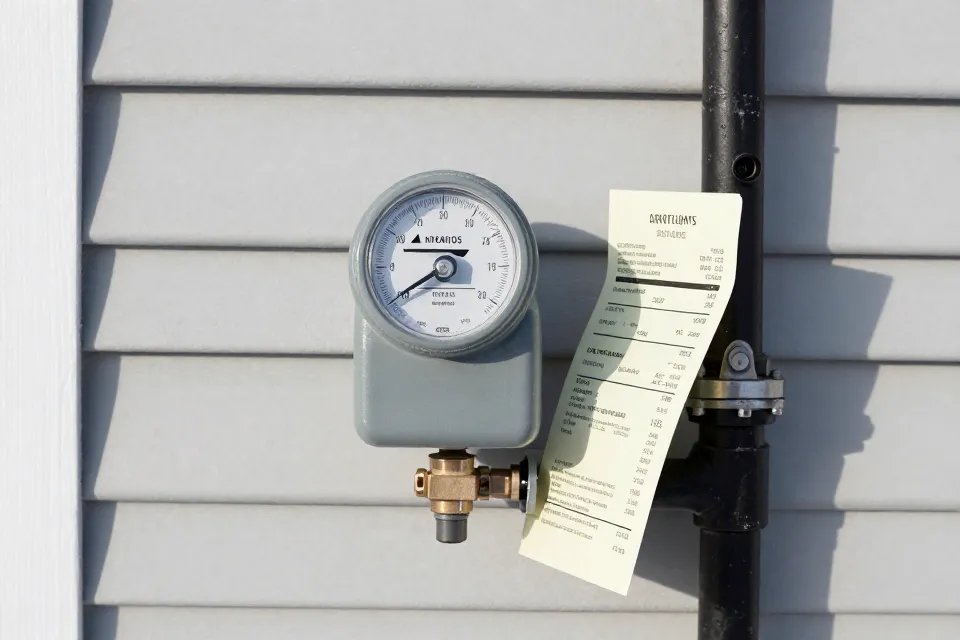
Gas bills measure usage by volume or by heat content. On most U.S. bills you will see therms — a therm is a standard unit of heat energy (about 100,000 British thermal units). Some bills instead show CCF (100 cubic feet) or MCF (1,000 cubic feet) of gas volume; the bill typically converts volume into therms to calculate your charge, because a cubic foot of gas can carry slightly different amounts of heat depending on its composition. Whatever the label, the pattern is the same as electricity: usage × rate, plus delivery charges, a customer charge, and taxes. In winter, gas usage climbs steeply because furnaces and water heaters are the big consumers.
Water: Gallons and the Sewer Line
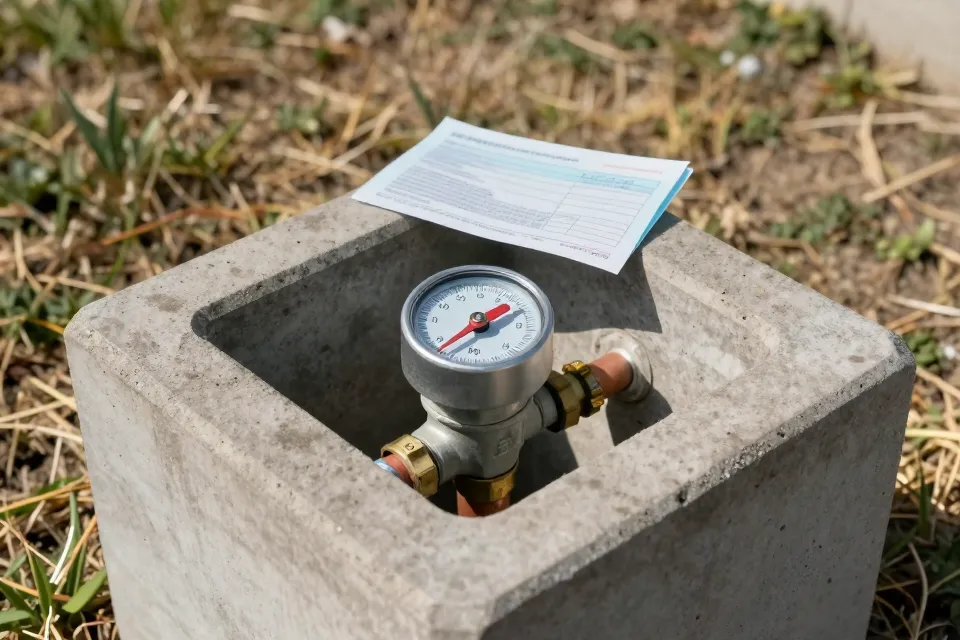
Water bills measure usage in gallons or ccf/hcf (hundreds of cubic feet — one hcf is about 748 gallons). Many households find water bills surprisingly small compared to energy — but the sewer (wastewater) line often nearly doubles the total, because sewer charges are frequently based on your water usage. A few utilities bill sewer at a flat rate instead, so a sudden jump on the sewer line may simply reflect a rate change rather than a leak. Checking your bill against a prior year's bill for the same month is the fastest way to notice a real change in usage — a spike that is not explained by weather or new appliances can mean a running toilet or a slow leak.
What Your Bill Can Reveal (and What It Cannot)
A utility bill is a monthly report card on your home:
- Weather explains a lot. Compare your current bill to the same month last year, not to last month. Heating and cooling swings between seasons dwarf most efficiency changes.
- Compare kWh or therms, not dollars. Prices change, so a higher dollar total might just be a rate increase. The usage number is the honest comparison.
- Watch for your own benchmark. After a few months, you will know your typical range. When usage climbs well above it with no weather reason, something changed — a new appliance, a leak, or a billing error.
- Seasonal patterns are normal. A bill that doubles in January is usually the furnace, not a mistake. Learn your home's seasonal rhythm before you suspect an error.
Catching Errors and Getting Questions Answered
Billing mistakes happen, and most are fixable with a phone call:
- Compare to last year. A bill that is dramatically higher with similar usage may be a rate change or an error — ask.
- Check the meter yourself. If a reading looks wrong, your meter shows the actual number; compare it to what the bill says.
- Ask about budget billing. Many utilities offer averaged monthly payments, smoothing winter spikes into a steady amount.
- Ask about assistance programs. Many states and utilities offer bill-payment assistance based on income — the customer service line can tell you if you qualify.
- Report problems promptly. If you believe you have been overcharged, call the number on your bill; if the utility does not resolve it, your state's public utility commission is the regulator that oversees it.
The Three-Bill Cheat Sheet
| Bill | What you're paying for | The number that matters |
|---|---|---|
| Electricity | kWh of energy + delivery + fixed fees | kWh used (compare to last year) |
| Natural gas | Therms (or CCF) of gas + delivery + customer charge | Therms used (winter jump = heating) |
| Water | Gallons or hcf + sewer charge (often tied to usage) | hcf used (spike = possible leak) |
The tools are the same for every bill: read the usage number, understand your rate structure, compare it to the same month last year, and call the utility when something looks off. A bill you understand is a bill you can act on — and five minutes a month is all it takes to keep the utility company honest.
Want to put your money skills to work? Browse the quiz library for quick practice.
Content on KnowHow Bench is for general information only. See our Disclaimer for details.