
Pantry Organization 101: Sort, Store, and Rotate Without the Stress
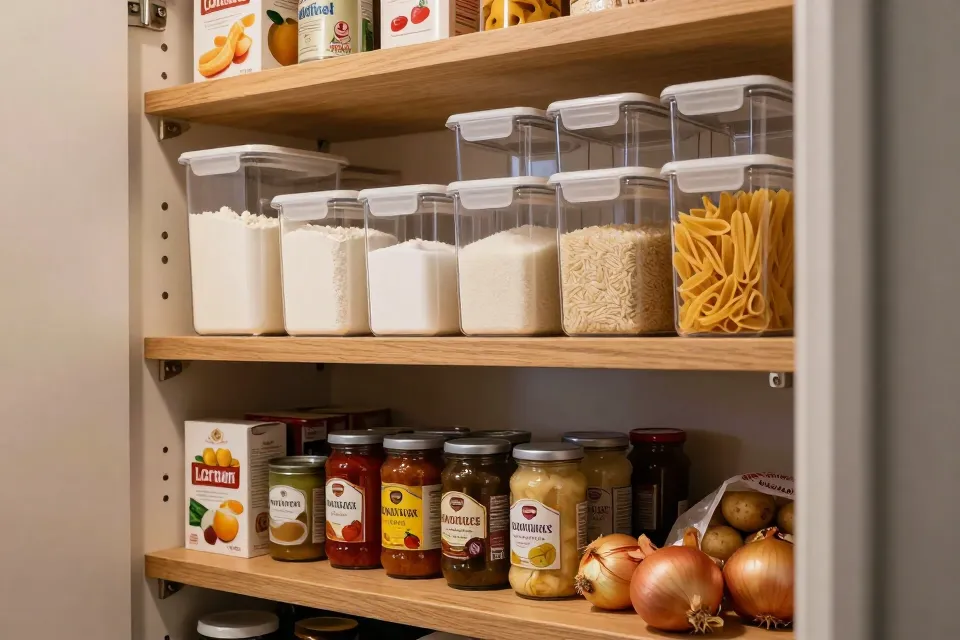
A cluttered pantry quietly eats your budget. Food gets shoved behind other food, packages go unread, and a week later you are buying a second box of the same crackers. The good news is that fixing it does not require a bigger kitchen or expensive shelving. A clear, repeatable system — sort, store, and rotate — turns any pantry into a place where things are easy to find and actually get used.
Not sure which everyday household skills could use a refresh? Test yourself with the quick quiz library first, then come back and put this system to work.
Why the Pantry Needs a System
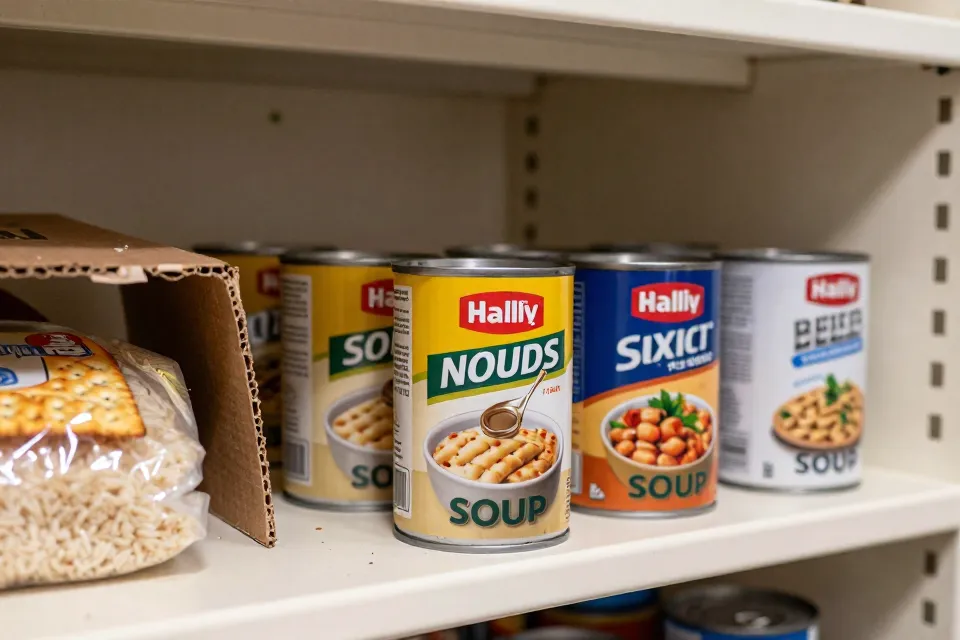
The problems in most pantries are not really about mess. They are about visibility and rotation. If you cannot see what you own, you cannot use it, and food that waits too long loses flavor, texture, and freshness — sometimes to the point of spoiling. The scale of the issue is bigger than most people think: the USDA estimates that 30 to 40 percent of the food supply in the United States never gets eaten. A well-ordered pantry is one of the simplest ways to shrink your slice of that number.
The Six-Step Pantry Reset
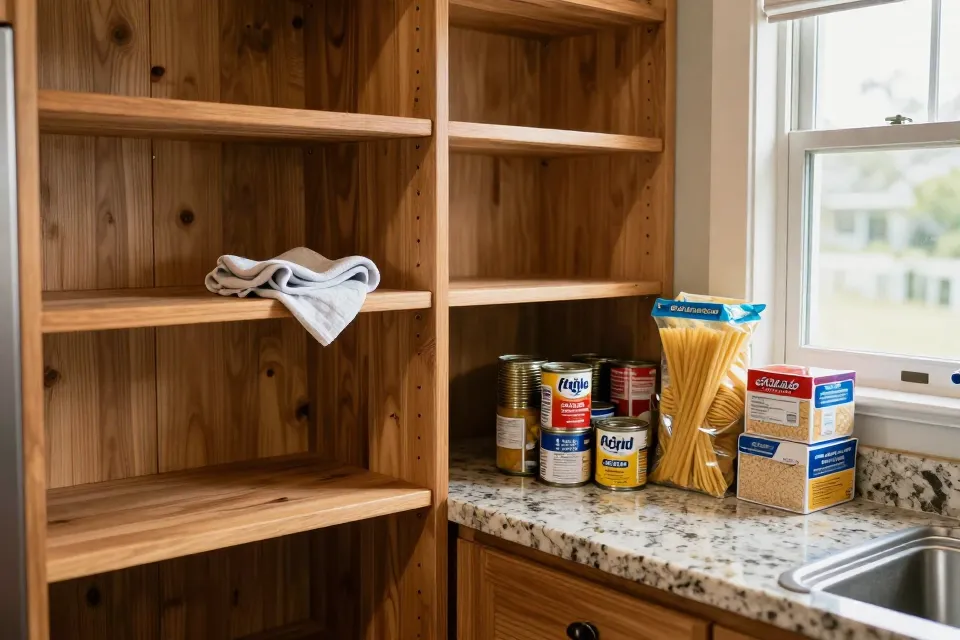
Set aside about an hour and work through these steps in order. Moving top to bottom with everything out at once is the whole trick — it means you only handle each item one time.
- Empty everything. Take every can, box, and bag off the shelves and onto your counter or table. Wipe the empty shelves down while you are there.
- Sort into piles. Group like with like: canned goods, pasta and rice, baking supplies, snacks, breakfast items, sauces and oils, spices.
- Say goodbye. Toss anything expired, stale, or clearly past its best. For sealed extras you will never eat, a local food pantry or shelter may gladly take them.
- Choose your homes. Give every category a permanent spot based on how often you reach for it: everyday items at eye level, heaviest things low, light and rarely used things high.
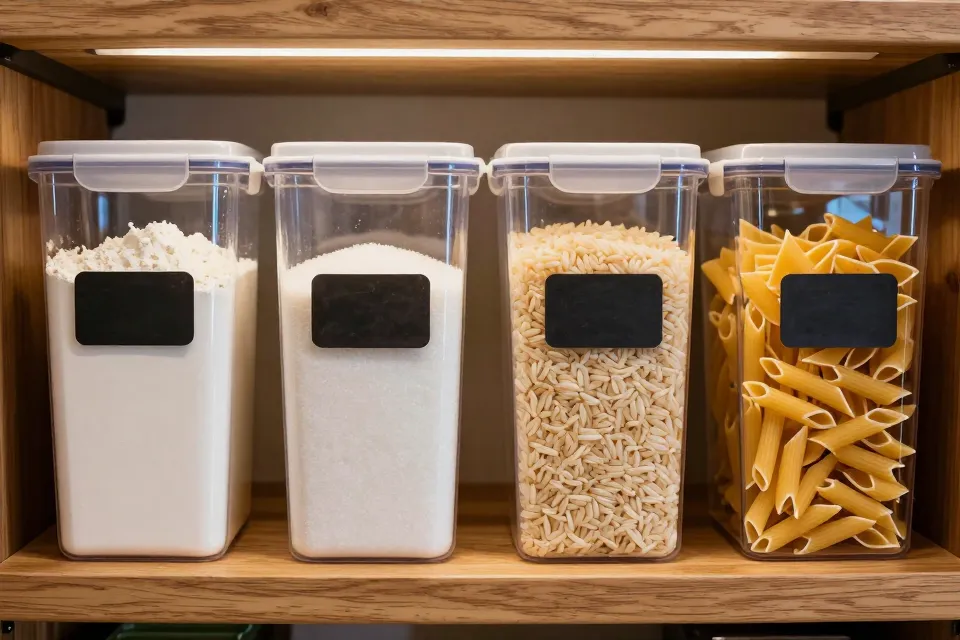
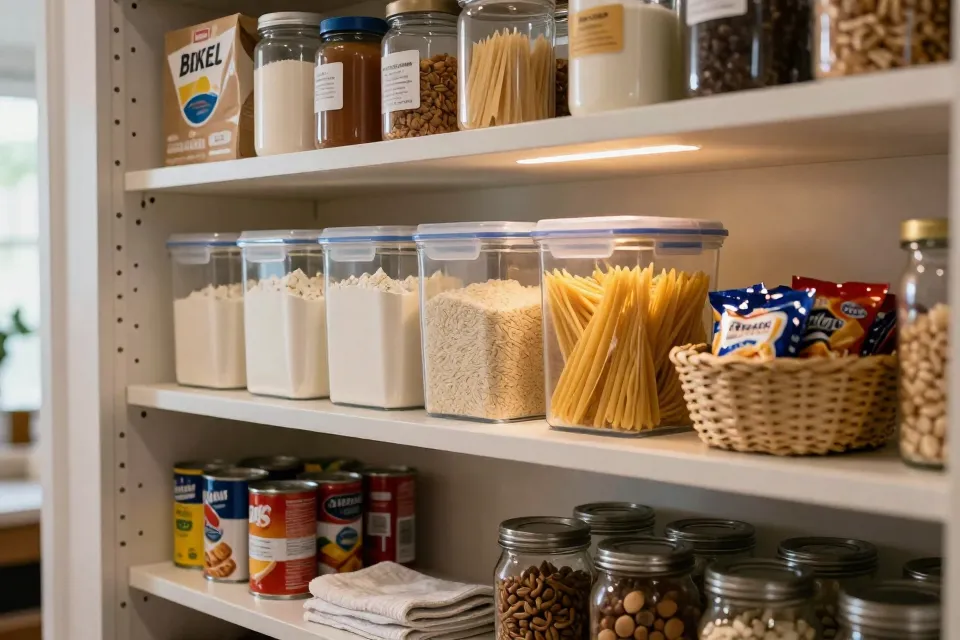
- Containerize. Pour open staples like flour, sugar, rice, and pasta into clear, airtight containers so you can see the level at a glance and keep pantry bugs out.
- Label, then restock. Mark every container and shelf, and slide newer purchases behind older ones before you close the door.
Choose Containers That Earn Their Spot
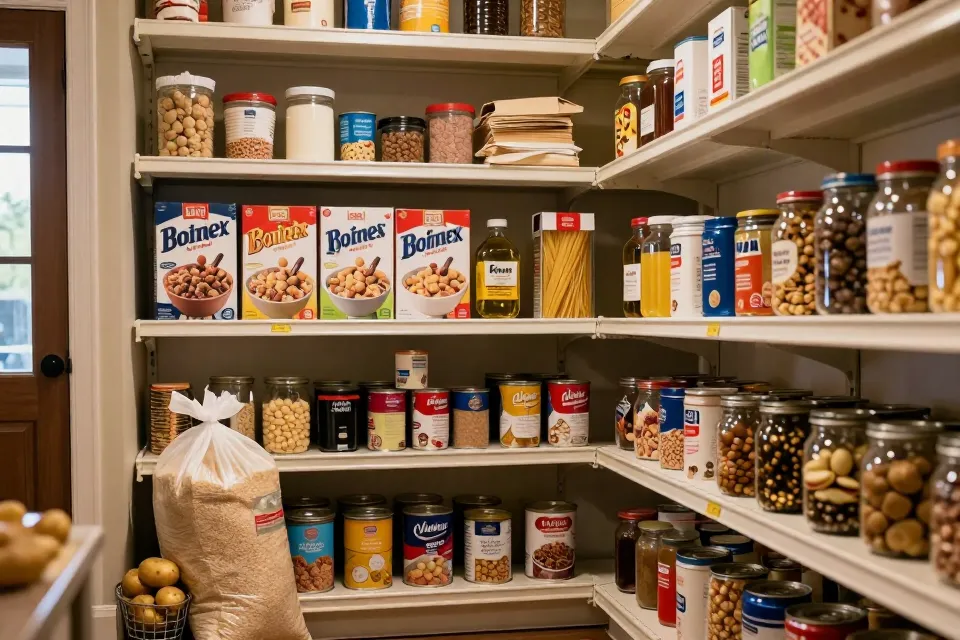
You do not need a matching set of expensive jars to make this work. Before buying anything, measure your shelves and finish the sorting step first — many organizers warn that buying storage before decluttering just gives you more bins for clutter. When you do buy, a few rules of thumb help: rectangular containers use shelf space better than round ones, clear beats opaque because you can check levels without lifting lids, and airtight seals are worth the extra dollar for flour, grains, and cereal. One bin per category, and the category is always the same bin — that consistency is what makes a pantry feel organized even when it is a little messy.
A Simple Category Map
For a no-overthinking layout, many organizers divide the pantry into zones by shelf band. The table below is a common starting point; adjust it to the way your household actually eats.
| Shelf band | What lives here | Why it works |
|---|---|---|
| Eye level | Cereals, pasta, rice, oils, sauces, daily-use staples | Easy to grab, easy to spot what is running low |
| Upper shelves | Baking supplies, rarely used mixes, paper goods, seasonal extras | Lightweight, only needed now and then |
| Lower shelves | Canned goods, jars, drinks, large bottles | Heavy items are safer closer to the floor |
| Floor or drawers | Bulk bags, pet food, potatoes and onions, tall bottles | Sturdy base, nothing topples onto you |
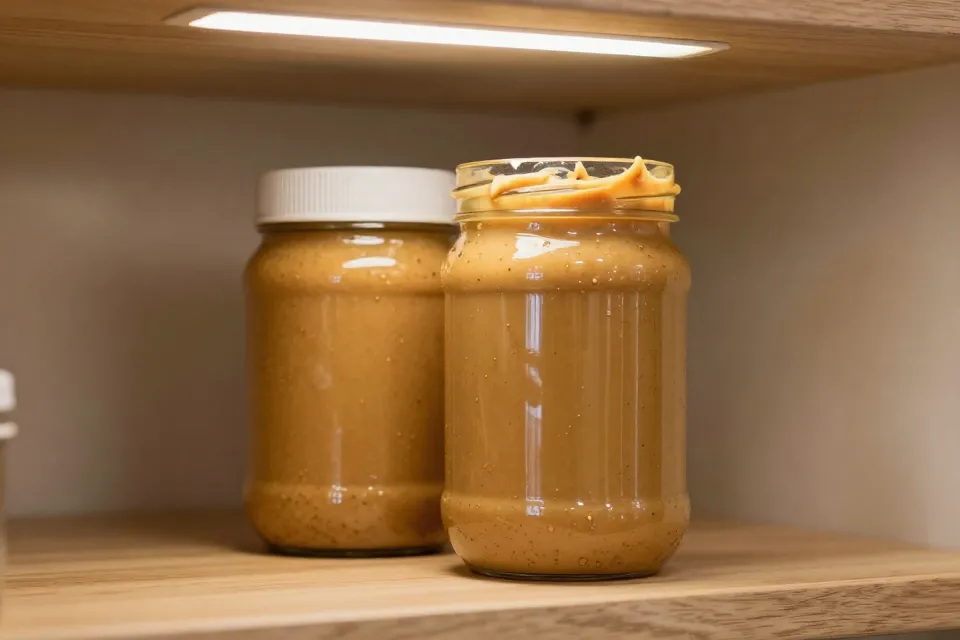
Small baskets or bins keep loose items — snack packs, tea bags, spice sleeves — from sliding around. If a category does not fit in its bin, that is a signal to eat down the stock before shopping again.
Rotate With FIFO
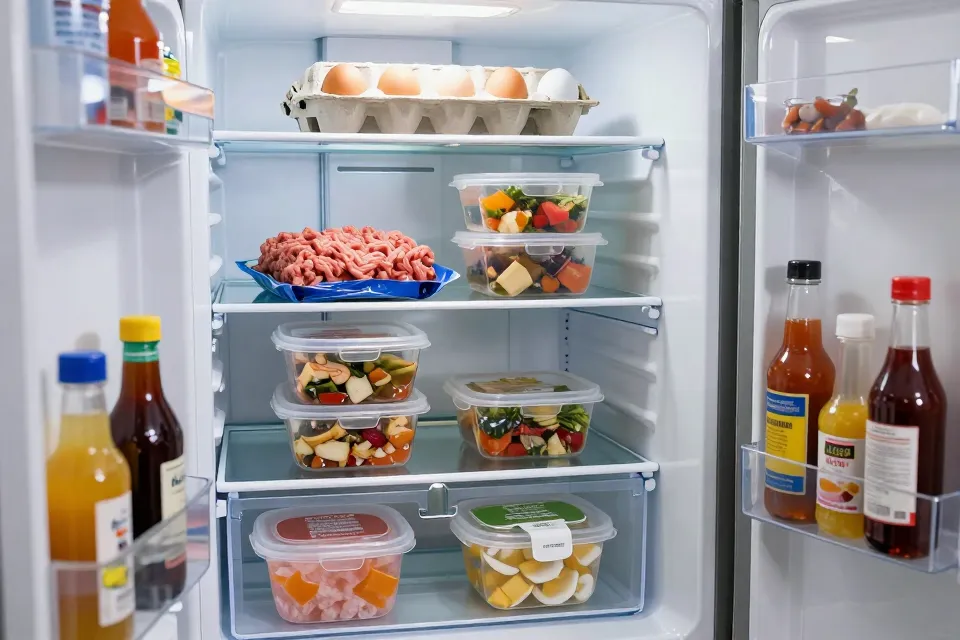
FIFO stands for first in, first out, and it is the rotation habit behind most professional kitchens. The idea is simple: the food that arrived first should be used first. Many organizers apply the same rule at home. When a new jar of peanut butter comes home, it goes behind the one already open. When you shop, you reach for the older can in the back, not the fresh can in the front. It takes two seconds and quietly makes sure nothing sits around long enough to expire. The same habit works everywhere: pantry shelves, fridge shelves, and the freezer.
Storing Perishables Safely
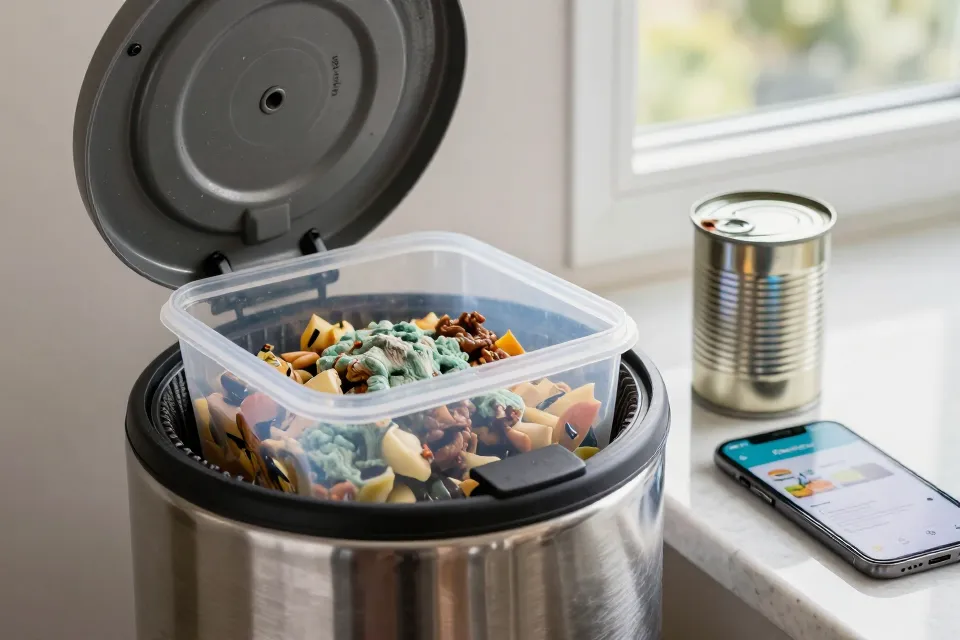
Pantry organization does not stop at the shelf. Temperature decides how long many foods stay good, so the foods you keep in the fridge and freezer deserve the same rotation habit. Food-safety guidance from the federal government is straightforward: keep the refrigerator at or below 40 °F and the freezer at or below 0 °F. The cold-storage chart published alongside that guidance gives ballpark times for common foods — treat them as a rule of thumb, not a guarantee.
| Food | Refrigerator | Freezer |
|---|---|---|
| Eggs (in shell) | 3 to 5 weeks | — |
| Ground meat | 1 to 2 days | 3 to 4 months |
| Cooked meat or poultry leftovers | 3 to 4 days | 2 to 6 months |
| Soups and stews | 3 to 4 days | 2 to 3 months |
When a food reaches the far end of its window — or looks, smells, or feels wrong — the safe move is to toss it. Food-safety experts sum this up as: when in doubt, throw it out. For exact times on hundreds of specific items, the free FoodKeeper tool built by the USDA's Food Safety and Inspection Service and Cornell University is a handy reference that is quick to search.
Waste Less, Even Past the Date
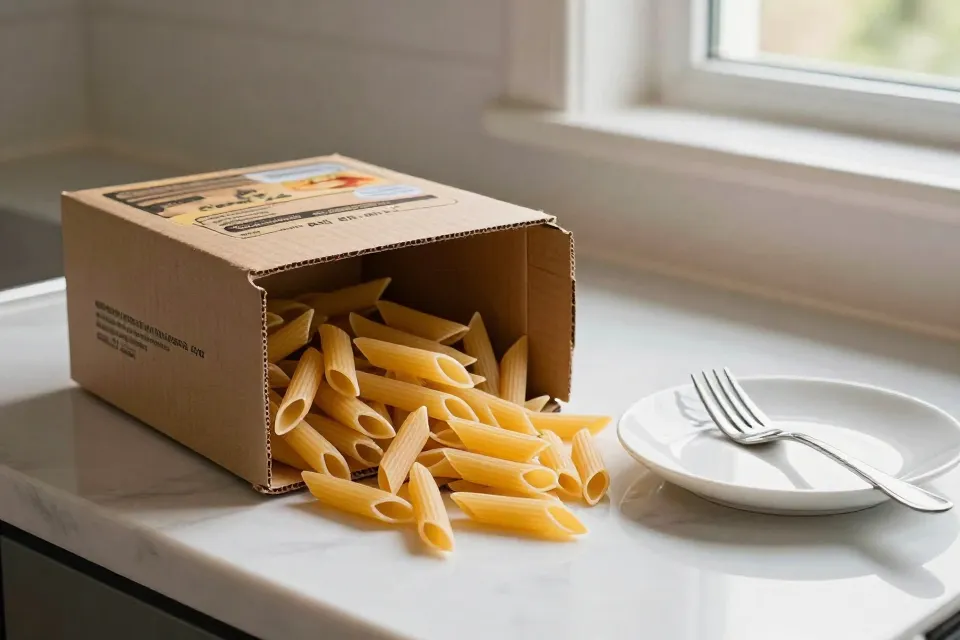
One of the biggest waste culprits in any kitchen is a date printed on a package. The USDA makes a clear distinction: a 'Best if Used By' date is about quality, not safety. A sealed can or box of pasta can be perfectly good weeks or months after that date arrives. Use your senses — look at it, smell it, taste a tiny bit — and the condition of the package, rather than the calendar alone.
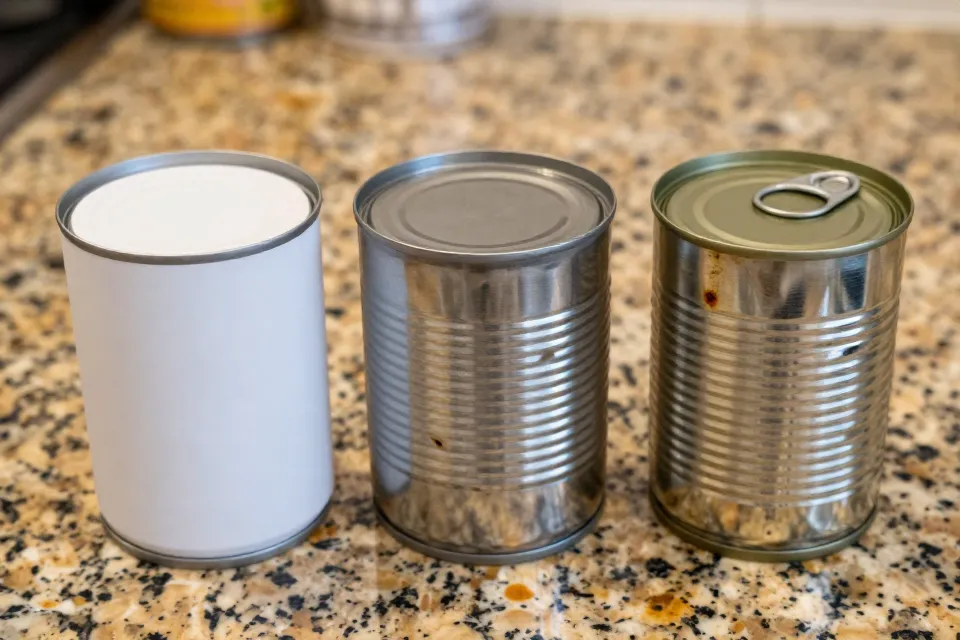
Canned goods follow the same logic. Food inside an intact can that has been stored in a cool, dry spot keeps much longer than most people expect. What should send a can to the trash is damage, not age: discard anything swollen, leaking, or badly dented or rusted.
A few pantry myths deserve busting while you are at it. Pantry bugs do not appear out of nowhere — they usually ride in with food from the store, which is why sealed containers are the strongest defense. And 'out of sight, out of mind' is a real pantry killer: food hidden behind two rows of other food is food that gets rediscovered only after it expires. Visibility is the cheapest food-saver you own.
The Five-Minute Maintenance Routine
An organized pantry stays organized only if upkeep is built into the week. This short routine takes minutes:
- Every grocery trip: spend two minutes sliding new items behind older ones before you put anything else away.
- Once a week: scan the shelves and move anything close to its date to the front.
- Once a month: wipe the shelves, check containers for spills and crumbs, and note what is running low before you shop.
- Seasonally: pull everything out for a twenty-minute re-check — most households find a bag of something they forgot they owned.
The Payoff
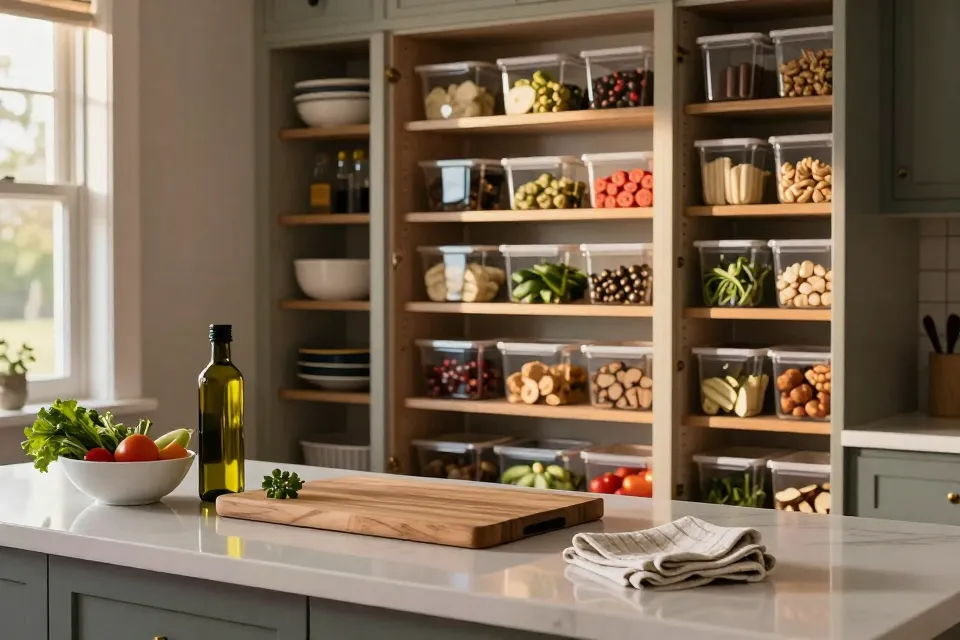
Done right, pantry organization becomes invisible. You open the door, find what you need in seconds, and cook with what you already own. Food gets eaten instead of tossed, shopping lists get shorter, and the kitchen feels calmer. It is one of the rare household chores you do once and benefit from every single day.
Want to test more everyday skills? Browse the quiz library for quick practice.
Content on KnowHow Bench is for general information only. See our Disclaimer for details.