
Your First Budget: A Simple Step-by-Step Guide

Budget is a word that sounds like homework. But here is the reality: a budget is just a written plan for your money, and people who keep one tend to feel more in control of their finances. This guide walks you through your first budget in plain language — what to write down, what to track, and how to pick a method you can actually keep. You do not need a finance degree to finish it in one evening.
Why a written plan beats guessing
A budget is a plan you put on paper that says how your monthly money will be used — that's how consumer.gov, the U.S. government's consumer money website, describes it. In its simplest form, a budget answers two questions: how much money comes in, and where it goes out. Without a plan for that money, many people find themselves short of cash before the next payday. A written plan can also protect your savings goals: money left over at the end of the month can be moved into a bank or credit union account, ready for an emergency, a car repair, or a trip.

First, list every source of income
Your plan starts with the money coming in. The Consumer Financial Protection Bureau (CFPB) suggests recording all of your income, not just your main paycheck — include side jobs, self-employment pay, child support, or government benefits. consumer.gov says the same: gather your pay stubs and write down what you actually earn each month, including money from other sources.
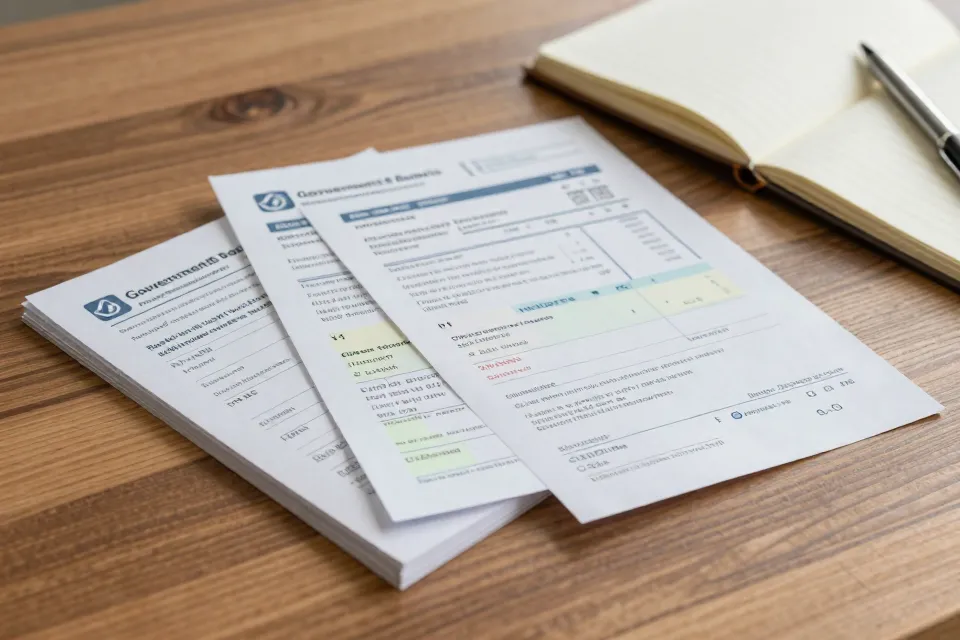
Use your take-home pay for the numbers, because take-home pay is what passes through taxes and actually lands in your bank account. If money is taken out of your paycheck for a retirement plan or insurance, NerdWallet suggests adding it back in when you budget so you can see your full income instead of a number that hides part of what you earn. And if you get paid irregularly — freelance or seasonal work — consumer.gov has a simple fix: add up last year's income and divide by 12 to create a monthly estimate, then adjust it as the year goes on.
Next, find out where your money goes
The CFPB calls tracking your spending the heaviest lift, and it is the step where most surprises hide. Log a month or two of real purchases and sort them into categories: housing, utilities, groceries, transport, eating out, entertainment. Investopedia recommends the same — a month or two of tracking gives you a true picture of your habits before you lock in the plan.
If the idea of logging everything feels huge, start smaller. The CFPB suggests reviewing expenses one week at a time, using your receipts or your checking account, and keeping a daily note that catches the small stuff — the coffee, the quick lunch — that quietly adds up over the weeks. consumer.gov's rhythm is even simpler: plan your spending at the start of the month, write down what you spend each day, and compare the two when the month ends. That one habit is the backbone of a budget that works.

List your bills and when they are due
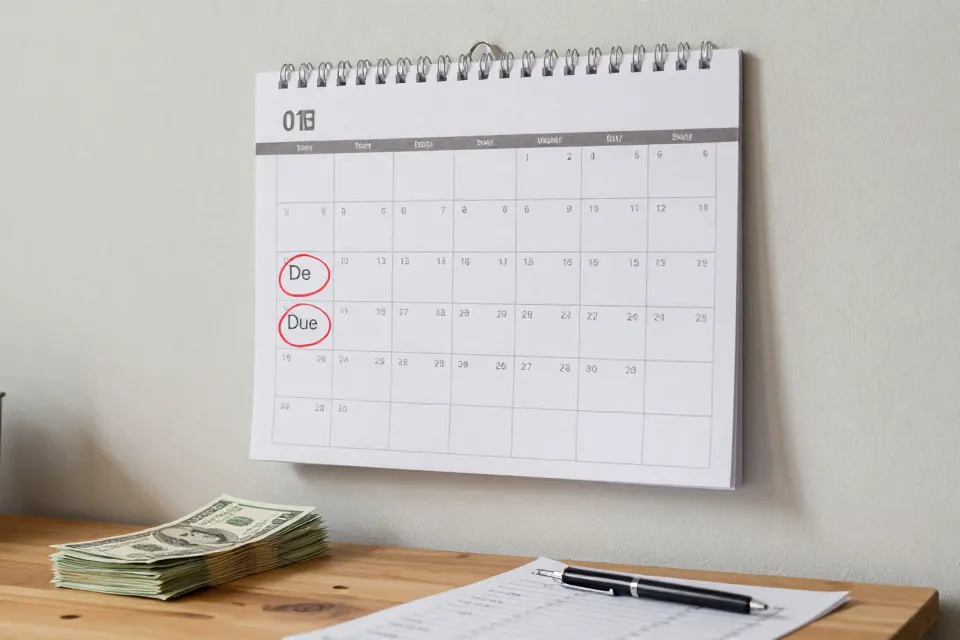
Make a list of every bill with its amount and its due date. If you keep coming up short at the end of the month, the problem may not be overspending — it may be timing. The CFPB points out that when bills and income don't line up, some weeks simply carry more due dates than others, and a simple calendar can show you which weeks will be tight. The CFPB adds a warning: missing payments or paying late can affect your credit scores, so due dates belong on the calendar, not in your head.
Do the subtraction
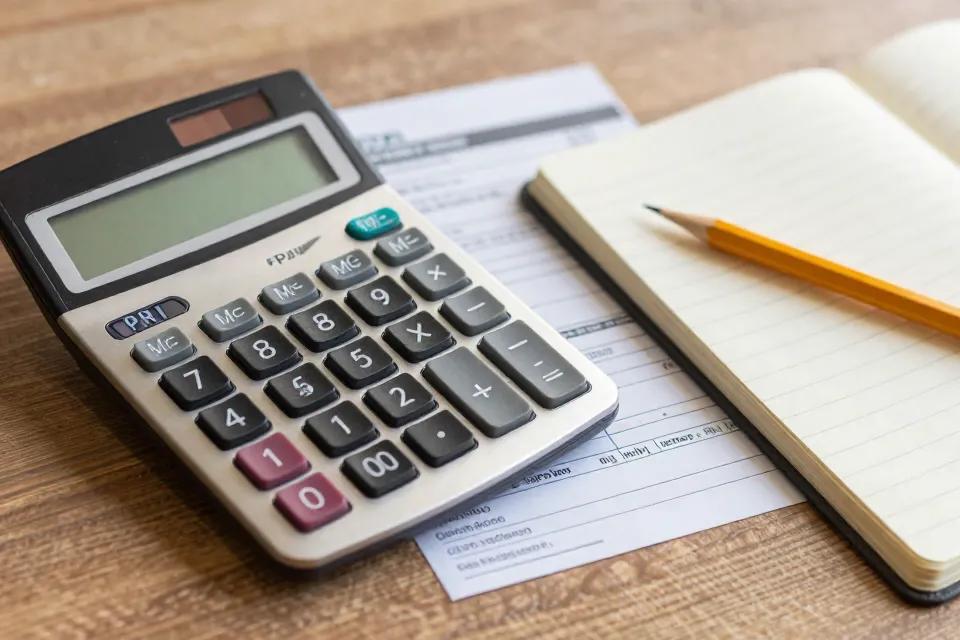
Now the math: monthly income minus monthly expenses, and per consumer.gov the result should come out above zero. If it comes out negative, you are spending more than you make — that's the signal to look for things you can change, like a cheaper phone plan, a lower insurance quote, or fewer restaurant meals. If it comes out positive, give that leftover a job before the month starts: savings, debt payments, or a goal you care about.
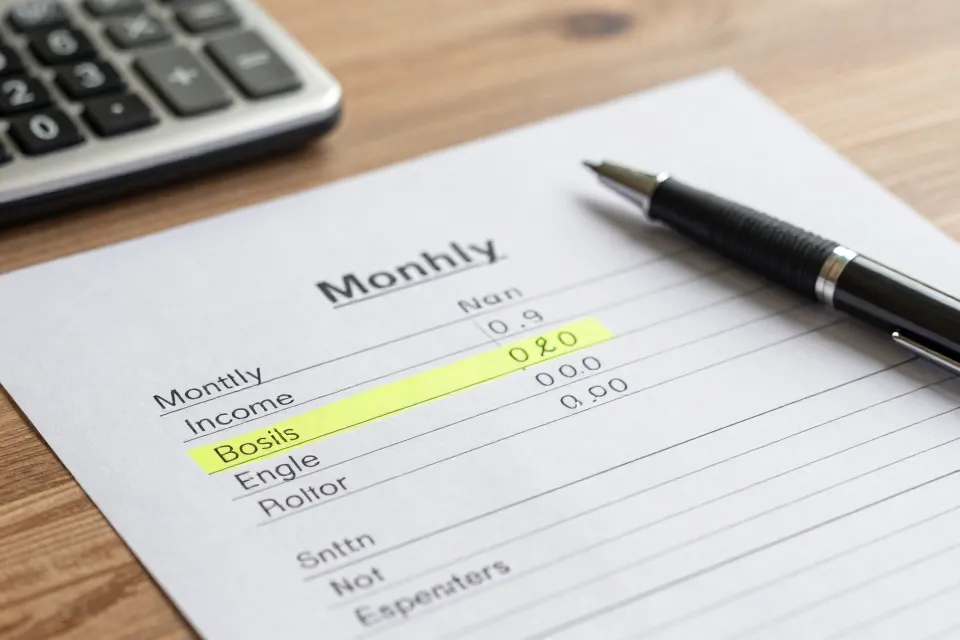
When the numbers fit, you hold a working budget. The CFPB suggests updating it whenever something big changes — a new job, a raise, a new spending habit. NerdWallet adds a lighter routine: give your budget a fresh look every couple of months and make changes where life has moved. A budget is a living document, not a one-time chore.

Try the famous 50/30/20 rule
The 50/30/20 rule is a simple framework that Senator Elizabeth Warren popularized in the book All Your Worth: The Ultimate Lifetime Money Plan, as Investopedia explains. The split works on your after-tax income:
- 50% for needs — the bills you must pay and the things you need to live: rent or mortgage, utilities, groceries, car payments, insurance, health care, and minimum payments on loans or credit cards.
- 30% for wants — the extras that make life pleasant: dinners out, travel, gifts, entertainment, gadgets.
- 20% for savings and debt paydown — an emergency fund, retirement contributions, investments, and any payments above the minimums.

For a concrete picture, take Investopedia's example of $3,500 in monthly after-tax income: about $1,750 goes to needs, $1,050 to wants, and $700 to savings. If your needs run above 50%, you can trim wants or look at bigger items — a smaller home, a more modest car, carpooling, more cooking at home. If you can, build an emergency fund covering three to six months of essential expenses, and if you ever tap that fund, put your next extra dollars back into it first. The percentages are a starting point, not a law: Investopedia notes the split may need adjusting when income is low or the cost of living is high. A plan you can keep is worth more than a perfect one you abandon.

Other budgeting methods worth knowing
| Method | How it works | Who might like it |
|---|---|---|
| 50/30/20 | After-tax income split into needs, wants, and savings at 50/30/20 | First-timers who want one simple starting point |
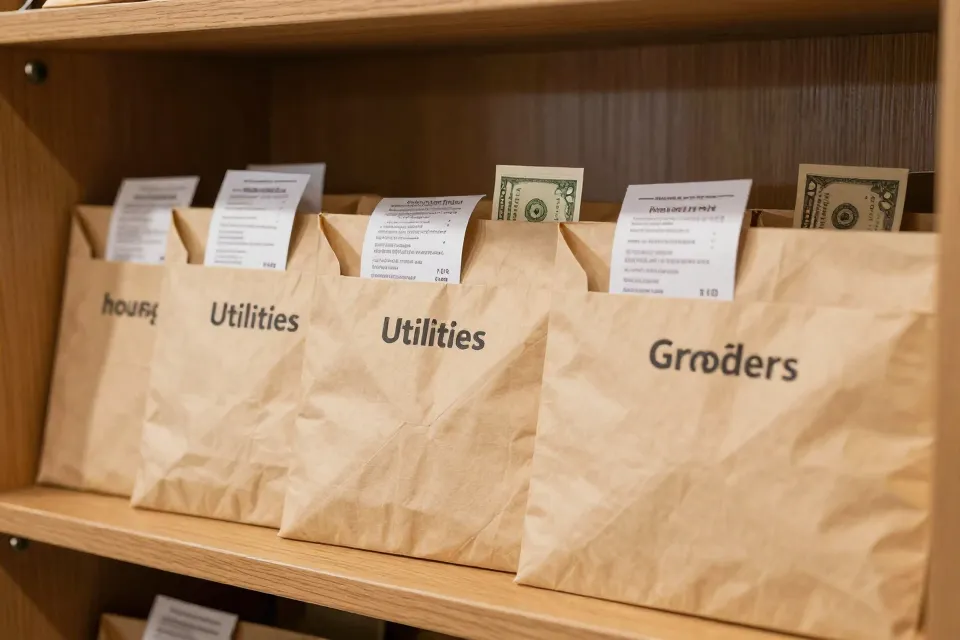
| Envelope system | Cash for each category placed in labeled envelopes; spending pauses when the envelope runs low | Planners who overspend with cards and want a physical signal to stop |
| Zero-based budget | Every dollar gets a purpose so income minus expenses aims at zero | Detail lovers who want full control |
| 60/20/20 or 60/30/10 | A shifted split, for example 60% to necessities, 20% to wants, 20% to savings | Households whose needs take a bigger share |
NerdWallet lists the envelope approach, the zero-based budget, and the 50/30/20 plan among common budgeting systems, and it mentions 60/20/20 and 60/30/10 splits as workable options in some situations. In the envelope approach, many people find it useful to set aside cash for each category in labeled envelopes, so spending stops when an envelope empties. A zero-based budget hands every dollar a specific job, which many planners find gives tight control over each expense. Whatever you choose, keep NerdWallet's bottom line in mind: the budget that fits you best is the one you keep following.

Automating your savings helps most people stay on track. Investopedia suggests scheduling a standing transfer out of your checking account into savings on every payday — the savings bucket then fills itself before you have a chance to spend it.
Common budgeting mistakes to skip
| Mistake | What is really true |
|---|---|
| "Budgets are for people in trouble." | A budget helps at any income level — it maps your money so bills and goals stay covered. |
| "A budget means no fun at all." | Good plans leave room for wants; a budget so strict it hurts is harder to keep. |
| "I can remember what I spend." | Small purchases add up quietly; writing them down is the only honest way to see them. |
| "Make it once and forget it." | A budget is used every month and updated when life changes. |
| "Needs above 50% mean the plan failed." | Percentages bend for your situation; switch to a different split or method instead of quitting. |
Your first-budget checklist
- Write down every income source: pay stubs, side gigs, child support, benefits
- List each bill with its amount and due date
- Track your spending for at least one month in a notebook, spreadsheet, or app
- Subtract expenses from income — the total should be above zero
- Pick a method: 50/30/20, envelopes, zero-based, or a split that fits your life
- Give leftover money a job, even a small amount heading to savings
- Set up a payday transfer so saving happens automatically
- Put a monthly review date on your calendar
Your first budget does not need to be perfect. It needs to be real — a written plan that matches your actual income and spending, revisited every month. That one habit puts you well ahead of the crowd. Remember: this article shares general information and is not financial advice; every situation is different, so consider speaking with a qualified professional before making major financial decisions.
Want to turn budgeting into a habit? Browse the quiz library for quick practice.
Content on KnowHow Bench is for general information only. See our Disclaimer for details.