How to Unclog a Sink or Shower Drain Without Calling a Plumber
A slow drain always seems to pick the worst moment: guests at the door, dinner dishes half-washed, or a shower that turns into a puddle bath. Before you dial a plumber, it helps to know that most clogs never travel far. The trouble is usually sitting in the curved trap a few inches below the drain opening. With a plunger, a small snake, and a few basic habits, you can clear most household blockages yourself in under an hour, keep the water flowing, and keep the service-call fee in your pocket. Here is how to size up the problem and choose the right tool.
Match the Clog to the Cause
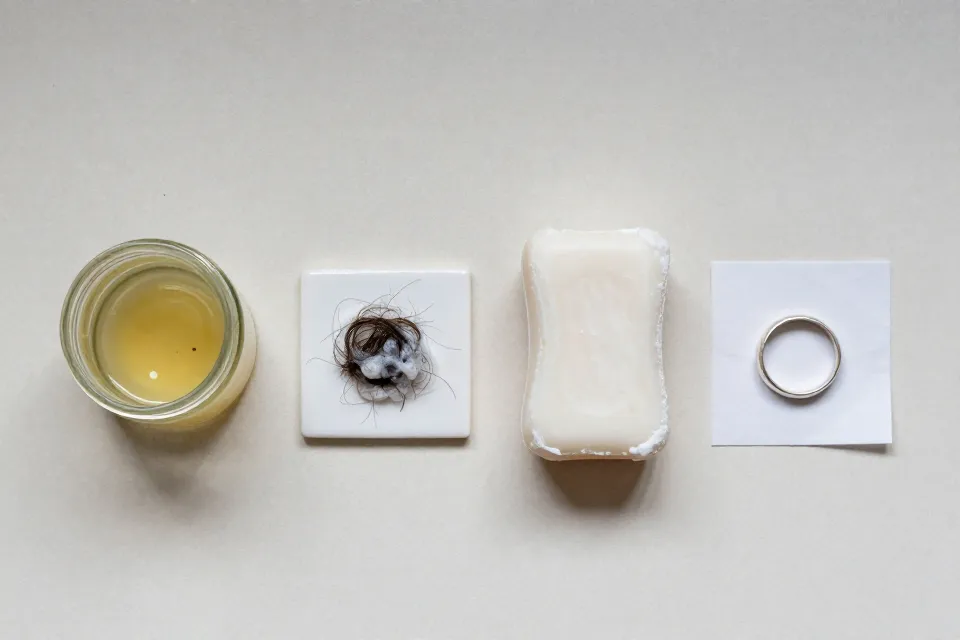
Different drains clog for different reasons, and the right tool is the one that matches the blockage. Use this quick reference to spot the usual suspects:
| Clog culprit | Where it usually shows up | First tool to reach for |
|---|---|---|
| Grease, cooking oil, food scraps | Kitchen sink | Boiling water, then a cup plunger |
| Hair tangled with soap scum | Bathroom sink, tub, shower | Hair-removal tool, then a drain snake |
| Soap film and mineral build-up | Slow tub or shower flow | Baking soda and vinegar flush, then a snake |
| A dropped object (jewelry, toy) | Any fixture | Retrieve by hand if visible; otherwise call a plumber |
Most kitchen clogs are grease that cooled, hardened, and formed a waxy plug. Most bathroom clogs are hair wrapped in soap film. Once you know the culprit, the fix becomes a short checklist instead of a guessing game.
Start With the Plunger
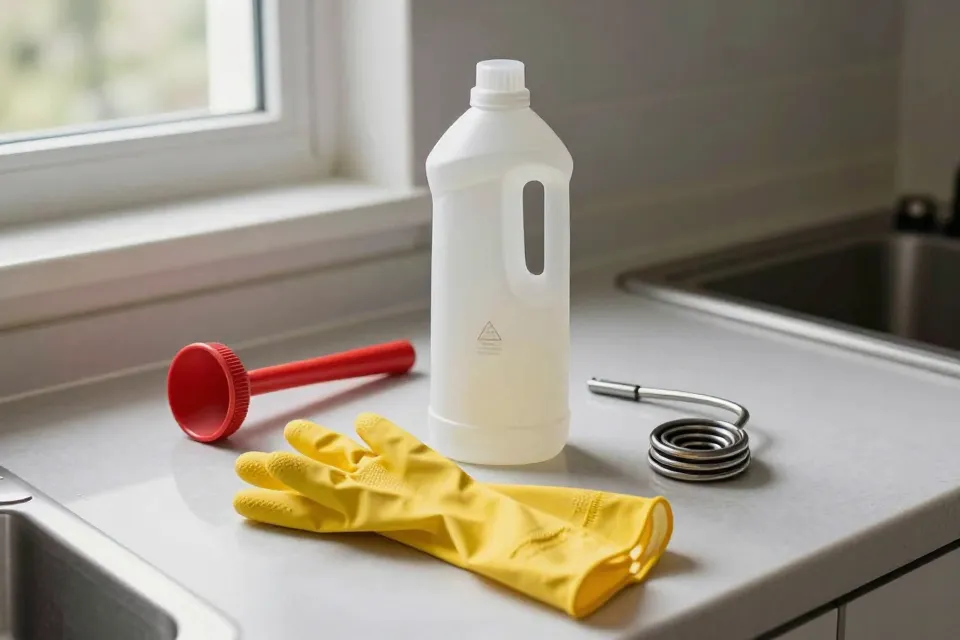
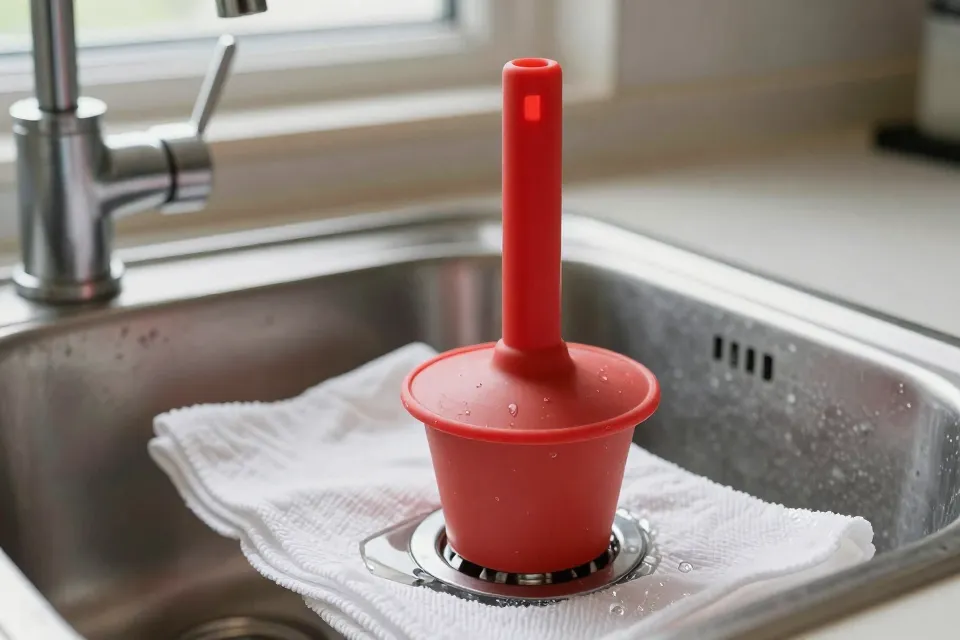
Plunging is the cheapest place to begin, and it handles most soft clogs. Use a cup-style plunger with a flat, open rim for sinks, tubs, and showers; the flange-style plunger with the extra rubber lip is built for toilets. A few seconds of setup make all the difference: pull out the pop-up stopper or grate, add water until the plunger cup is fully covered, and press a wet washcloth over the overflow opening so the suction does not leak away. If you have a double kitchen sink, stuff a stopper or wet rag into the second basin to keep the pressure strong. Angle the cup to fill it with water, then pump with firm, even strokes, keeping the cup sealed the whole time. Keep the rhythm going for about half a minute, then test the drain. When the water runs out freely, follow up with several minutes of hot water to rinse the loosened material through.
One caution: never pour a chemical product down the drain and then start plunging on top of it. Working a plunger through a caustic mix can splash that chemical onto your skin or into your eyes, so mechanical methods should always come first.
Move Up to a Drain Snake for Hair and Sludge
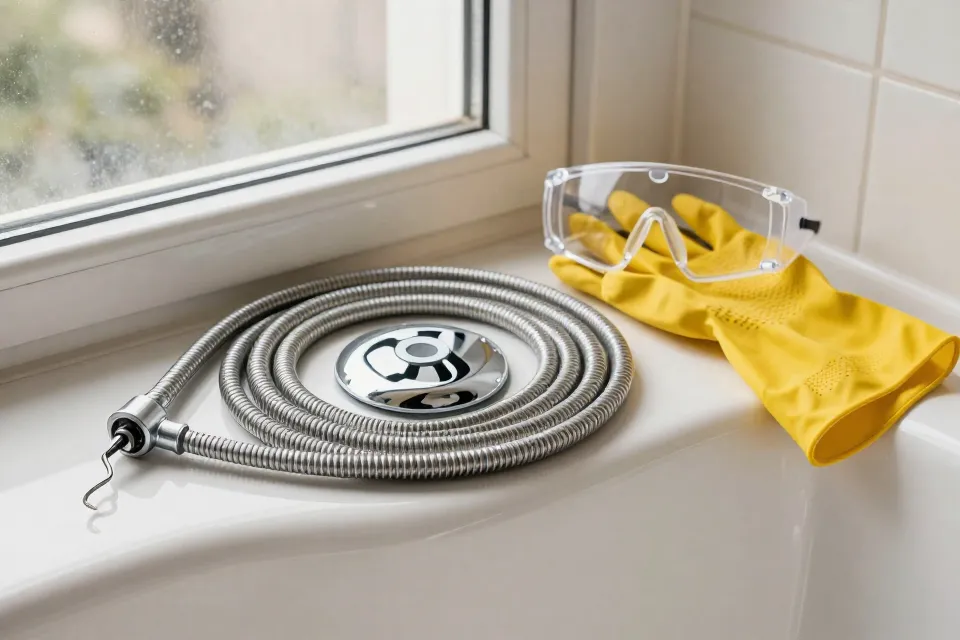
A plunger can push a clog through without truly cleaning the pipe, which is why many homeowners clear a drain only to see it clog again a few weeks later. For hair and the gummy film that clings to pipe walls, a drain snake is the better tool. A hand snake is a flexible metal cable with a corkscrew-shaped tip that you feed into the drain and twist; the tip hooks the clog so you can pull it out. Hand snakes sold for home use reach roughly 25 feet, which covers nearly every household clog. Ease the cable into the drain, crank the handle to rotate the tip, then draw the cable back out, and tangles of hair usually come with it. Wear rubber gloves and safety glasses for this job, because standing water and debris can splash out of the pipe as you work.
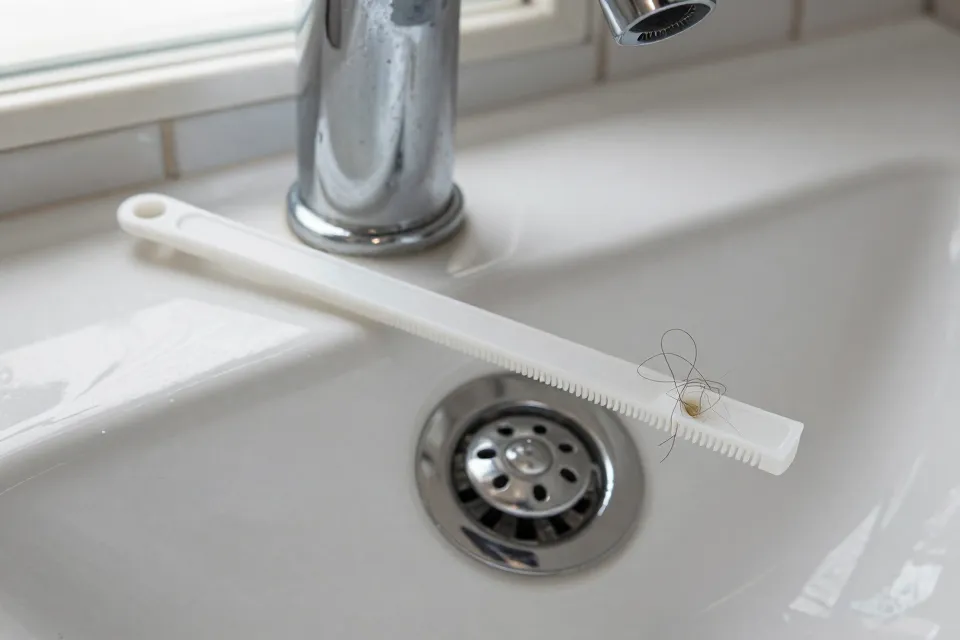
Smaller bathroom clogs may not need the full snake. A flexible plastic hair-removal tool with tiny hooks costs only a couple of dollars. Slide it down a bathroom sink drain, twist, and pull — the wad of hair comes up whole. This tool works reasonably well on bathroom sinks and tubs, though it is no match for a kitchen sink or toilet.
When the Clog Lives in the P-Trap
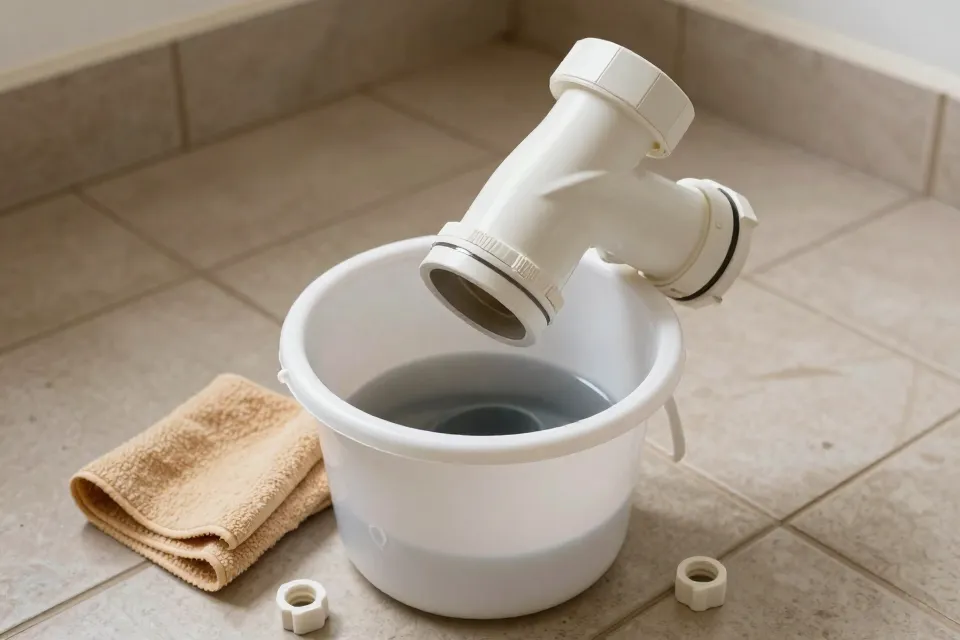
The P-trap is the U-shaped bend under the sink. Its job is to hold a small pool of water that blocks sewer gases from drifting back into the room, and it is also where grease blobs and hair clumps love to settle. If plunging and snaking from above have not worked, the trap itself usually holds the answer, and cleaning it out is the most dependable fix for a stubborn sink. Put a bucket underneath, loosen the slip nuts on both ends of the bend with a rag for a better grip, and pull the trap free. Empty the water into the bucket, pick out the sludge, reattach the trap, and run the water while you watch for leaks.
The Truth About Chemical Drain Cleaners
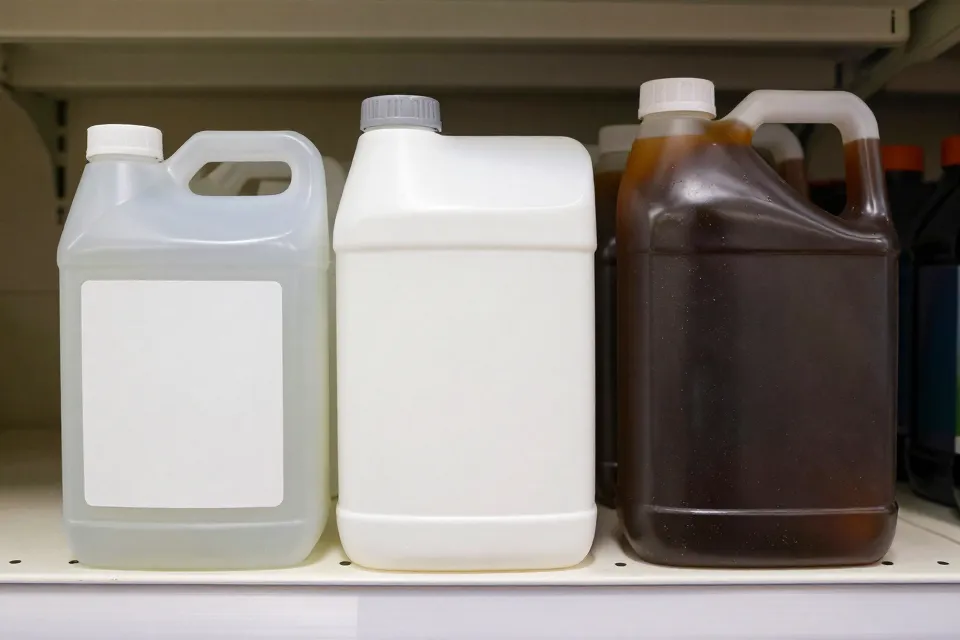
Chemical openers are the fastest-selling fix on the store shelf, but they deserve respect and a last-place spot in the lineup, not the first. Consumer Reports and the Environmental Protection Agency both advise reaching for mechanical tools first, because a chemical reaction gives off heat, and that heat can crack porcelain fixtures or soften cheap plastic fittings. Know what you are buying: caustic formulas built around lye attack grease, oxidizing formulas work better on hair and food, and acidic products are so hazardous that professionals generally keep them for the job. The Spruce goes further and warns never to use sulfuric-acid cleaners at home, since they can damage your plumbing and the wider water system.
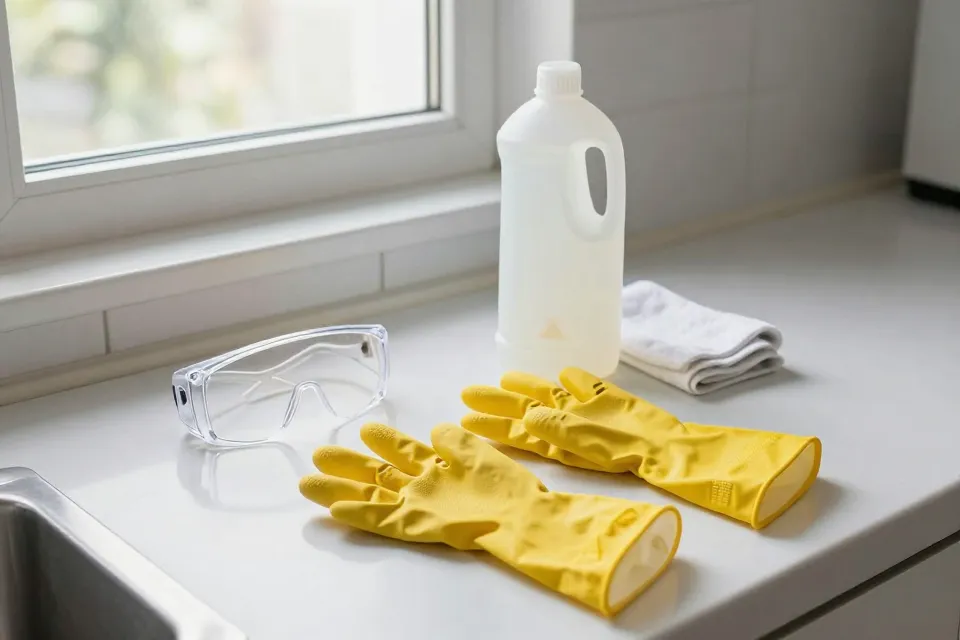
Safety rules for any chemical opener: wear rubber gloves and eye protection, open a window or run a fan, keep children and pets out of the room, and never combine two different products or use one near bleach, because mixing can release dangerous fumes. Be careful with cheap hardware as well. Followed to the label, these cleaners are generally safe for properly installed pipes, but plumbers have seen the corrugated flex pipe sold for under-sink repairs melt where the chemical pools. Over years of repeat use, the corrosive mix can also wear down old metal lines and weaken seals, which is why many plumbers say they would not pour the stuff into their own homes.
If your household runs on a septic system, the EPA's advice is plain: skip chemical openers entirely and use boiling water or a drain snake instead, because a septic tank depends on live bacteria and harsh chemicals can kill them. Chemicals that leave the house can also end up in groundwater. There is a gentler alternative — enzyme or bacterial cleaners that digest hair, grease, and food over several hours or overnight. They are slower, and one dose may not be enough, but they are safe for pipes, and in a septic tank they actually feed the bacteria that do the work.
Keep Drains Flowing With a Five-Minute Routine
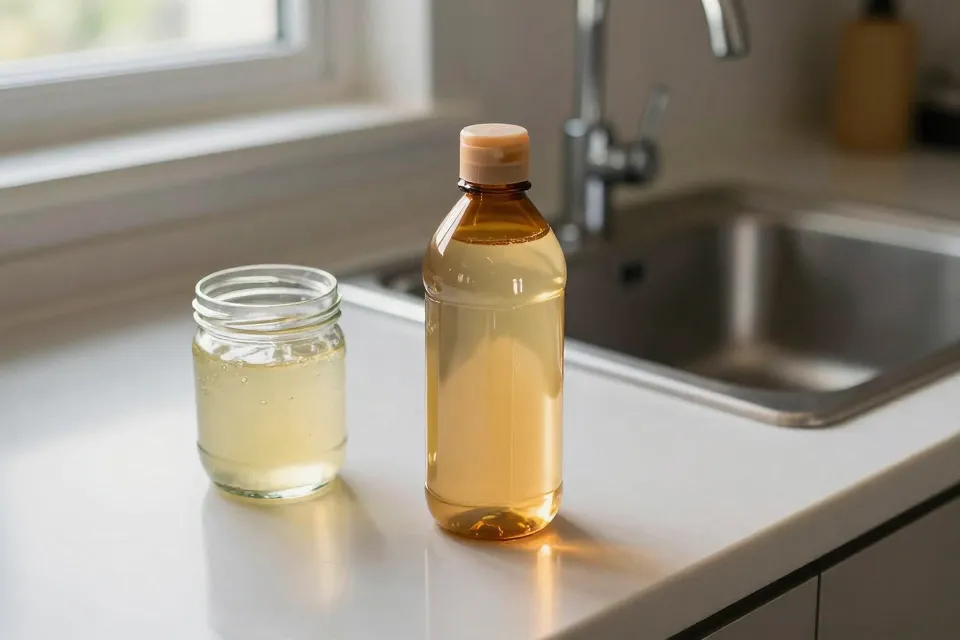
Any clog you clear today was built by habits from yesterday, so prevention is the real money-saver. Most plumbing pros agree that this short list covers the offenders behind nearly all household clogs:
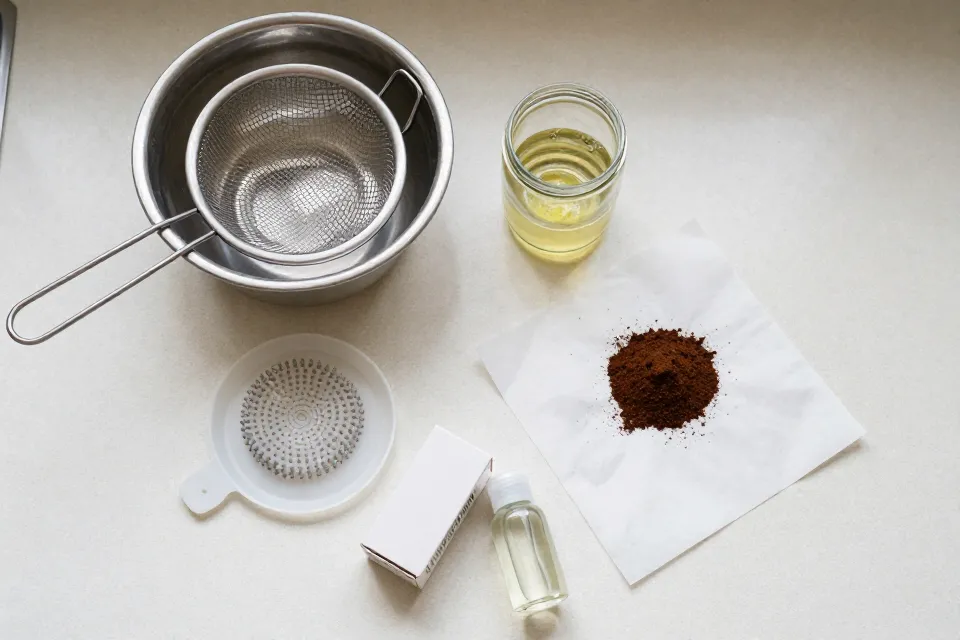
- Scrape plates into the trash before washing, and pour cooled cooking oil or grease into a jar to throw away. Never wash it down the sink, where it will cool and congeal.
- Catch food with a small mesh strainer in the kitchen sink, and corral hair with a tub and shower drain cover; empty both once a week.
- Treat the garbage disposal as a helper, not a trash can. Heavy food solids turn into sludge in the pipes, and on a septic system they force more frequent pumping.
- Keep coffee grounds out of the drain entirely.
- Once a week, run hot water through every sink for a minute. Once a month, try the gentle flush: half a cup of baking soda, half a cup of vinegar, plug the drain, wait ten minutes, then chase it with hot water.
- Never pour chemical openers down the drain as routine maintenance. That is how pipes get damaged slowly and silently.
When It Is Time to Call a Plumber
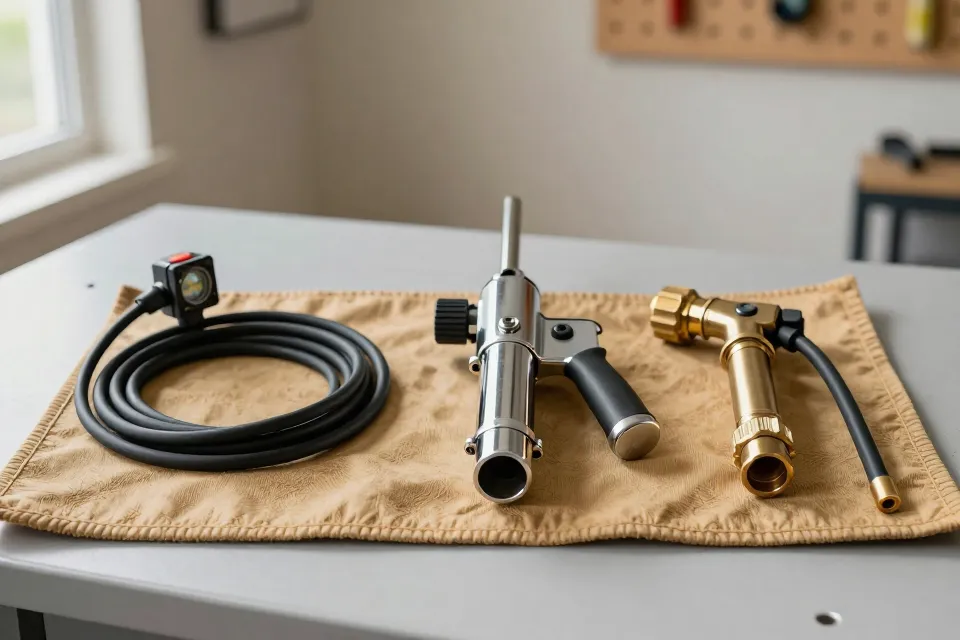
Do-it-yourself has its limits, and a few warning signs should send you for the phone. If water is about to spill over the sink or tub, treat that as an emergency and call right away. If the same drain keeps clogging after you have cleared it, the trouble may sit deeper — what looks like a local clog is sometimes a stoppage in a larger branch line. Plumbers start with a camera inspection of the pipe, then bring out a motorized snake or a high-pressure water jetting rig, tools that reach far beyond what a hand snake can do. A good rule of thumb: if two honest attempts with the tools above have not fixed it, or if the clog sits beyond about 25 feet of pipe, the service call has become the cheaper option.
Want to test more practical home skills? Browse the quiz library for quick practice.
Content on KnowHow Bench is for general information only. See our Disclaimer for details.