
How to Fix a Running Toilet: Flapper, Fill Valve, and the 200-Gallon-a-Day Problem
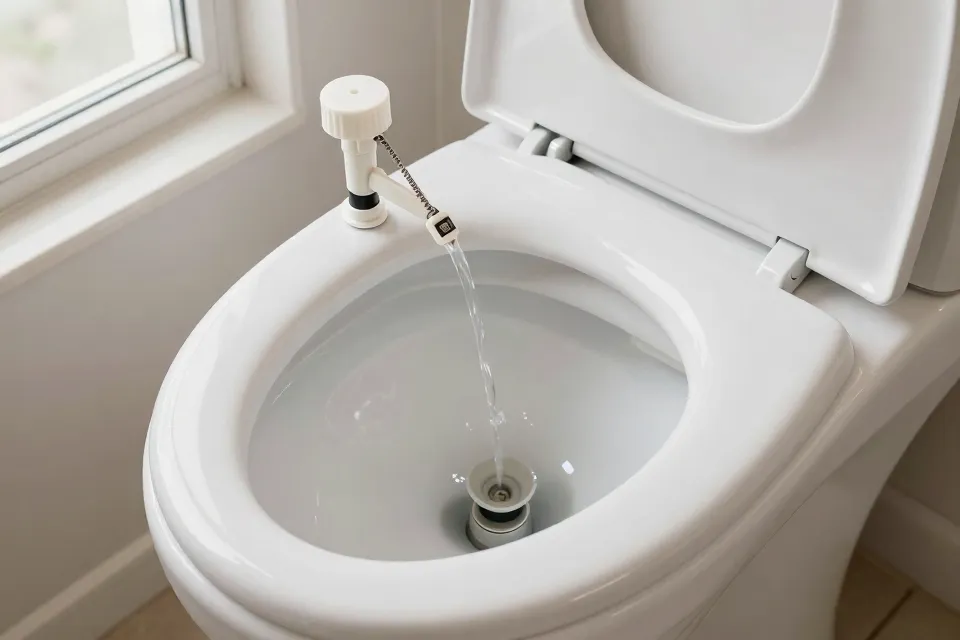
Every few minutes, the toilet in the guest bathroom sighs back to life even though no one used it. The sound is easy to ignore at night — until the water bill arrives. A toilet that keeps running is one of the friendliest repairs in the house: most running toilets are fixed with a single inexpensive part and a few minutes of work, and the water wasted in the meantime adds up faster than most people expect. This guide explains the two parts behind nearly every running toilet, the exact repair steps for each, the tools you need, and the leak numbers from the US Environmental Protection Agency (EPA) so the savings are easy to see.
Three Signs Your Toilet Is Running (Plus a Thirty-Minute Test)
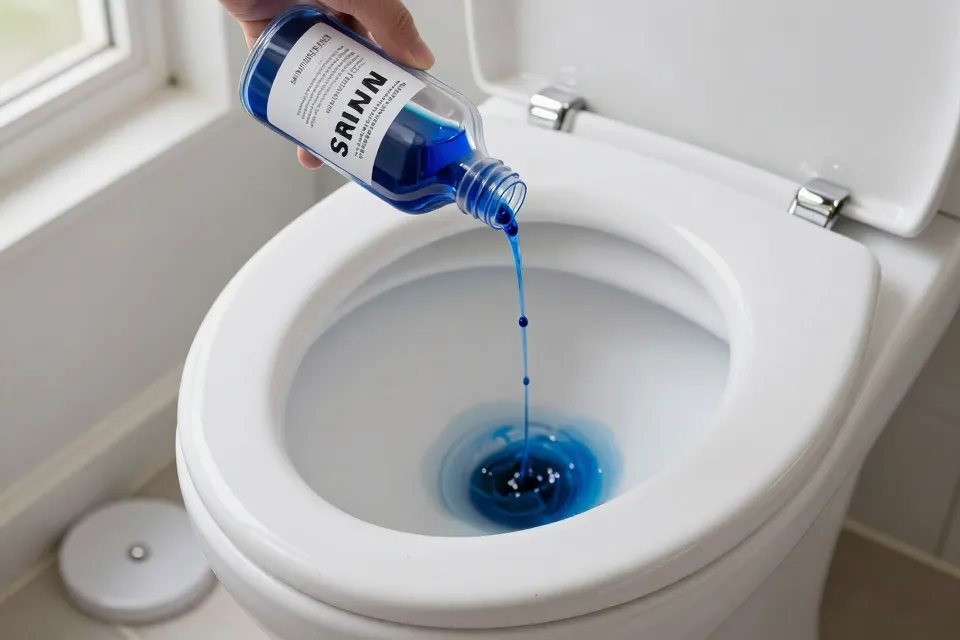
Confirm the leak before you open the tank. Three signs point to a running toilet: the tank refills every few minutes when nobody flushed; a faint hiss or drip comes from the tank long after a flush; or the toilet flushes on its own now and then — the so-called ghost flush that happens when a slow leak drains the tank and the fill valve tops it back up. The dye test settles the question in half an hour. Drop a few drops of food coloring into the tank water, wait fifteen to thirty minutes without flushing, and check the bowl. Color in the bowl means water is passing through the flush valve, so the toilet is running even if it sounds silent.
The Two Parts Behind Nearly Every Running Toilet
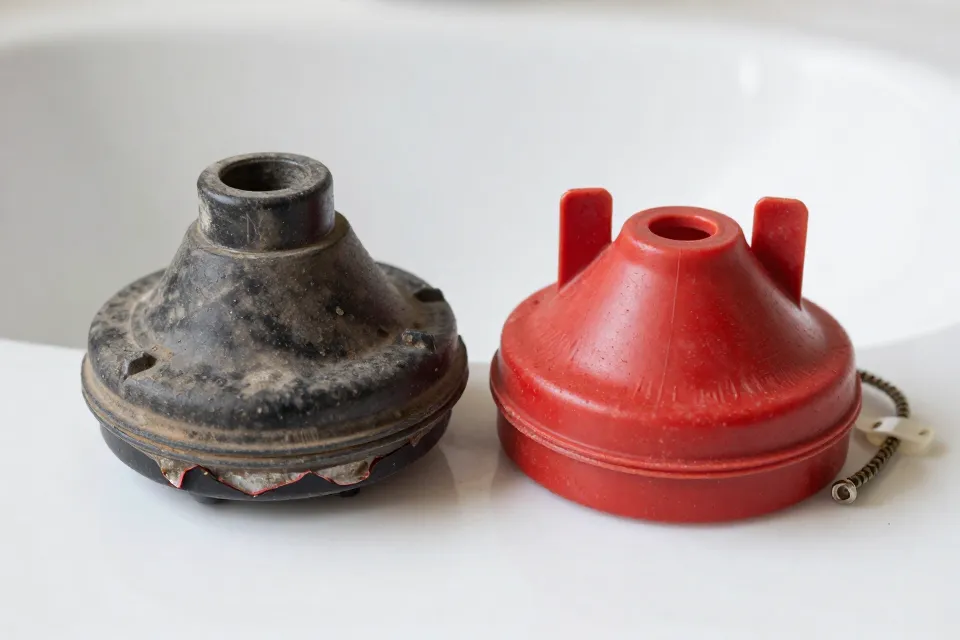
Open the tank and you will see two parts that do all the work. The flapper is the rubber cap that seals the flush valve opening at the bottom of the tank. When you push the handle, the flapper lifts, the tank drains into the bowl, and the flapper drops back down to hold water for the next flush. The fill valve is the tall plastic unit that brings fresh water into the tank after every flush, with a float that shuts the flow off when the tank is full. A running toilet almost always means one of two things: the flapper is not sealing, so water trickles into the bowl around the clock, or the fill valve is not shutting off at the right moment, so the tank keeps refilling. Each cause has a fix that suits a beginner.
Read the Symptom, Pick the Fix
Use this troubleshooting table to match what you notice with the repair most likely to end it:
| Symptom | Likely cause | The fix that usually works |
|---|---|---|
| Water trickles into the bowl constantly | Worn or warped flapper | Replace the flapper |
| Tank refills every few minutes | Flapper not sealing, or chain problem | Adjust the chain, then replace the flapper if needed |
| Hissing continues after the tank is full | Fill valve not shutting off | Adjust the float, or clean and replace the fill valve |
| Water spills into the overflow tube | Water level set too high | Lower the water level below the overflow tube |
| Ghost flushing at odd hours | Slow, silent flapper leak | Replace the flapper and check the flush valve seat for buildup |
Fix 1: Replace the Flapper — the Ten-Minute Repair
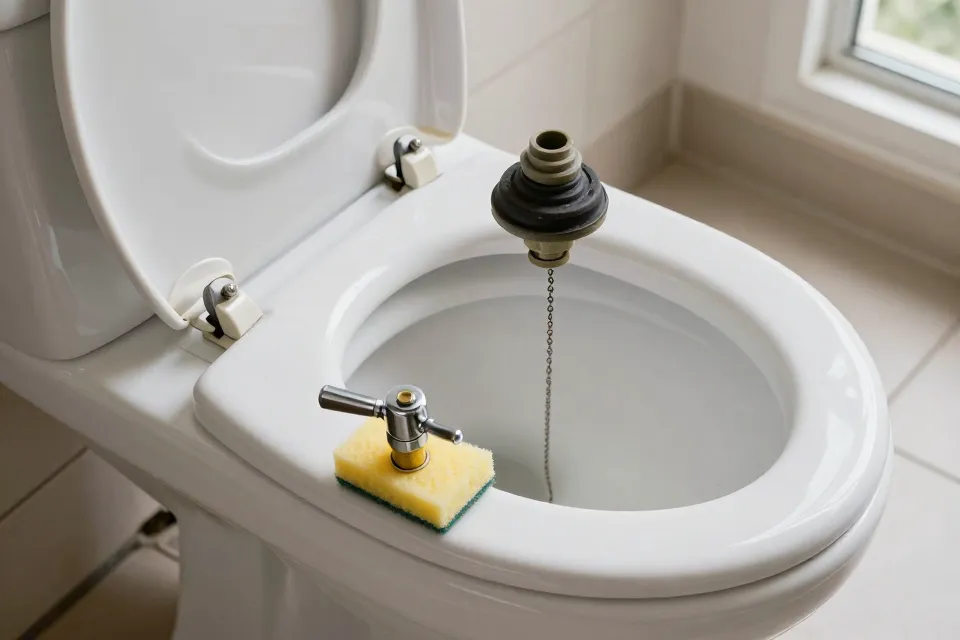
Most running toilets stop running once a new flapper is in place. Rubber gets old: after a few years the flapper can harden, warp, or collect grit until it can no longer press flat against the flush valve. The repair needs no plumbing experience. Turn the shut-off valve behind the toilet clockwise until the water stops, then flush to drain the tank and sponge out the last inch of water. Snap the old flapper off the two small ears on the overflow tube, and unhook the lift chain from the handle arm. If you are unsure which size to buy, take the old flapper to the hardware store; in most stores a universal flapper fits nearly any toilet. Snap the new flapper onto the same ears, hook the chain back on, and leave the chain a little slack so the flapper can settle fully onto its seat — but not so loose that it slips off or tangles. Turn the water back on, fill the tank, and flush two or three times. A quiet refill and a normal single flush mean the fix worked.
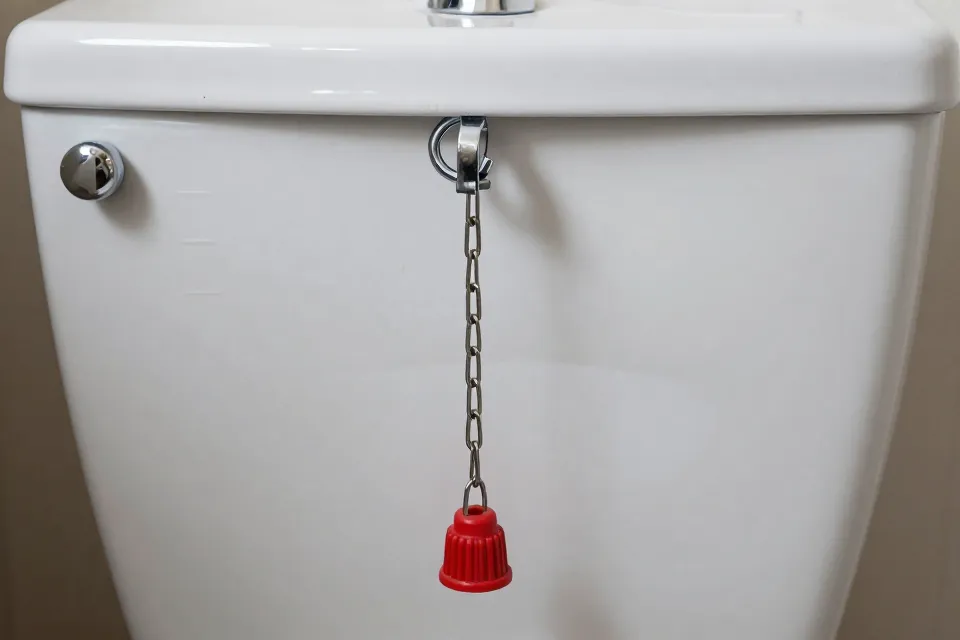
Fix 2: Check the Chain and the Water Level
Two free adjustments fix a surprising share of running toilets before any parts are bought. First, look at the lift chain between the handle arm and the flapper. A chain pulled too tight holds the flapper slightly off its seat; a chain too slack can fold underneath the flapper and break the seal. Most chains carry a clip on the handle arm — move the clip one link at a time until the flapper sits flat with a gentle sag in the chain. Second, check the tank water level. It should stop roughly half an inch to an inch below the top of the overflow tube, the tall pipe in the center of the tank. Water set higher spills over the tube into the bowl without pause, which sounds exactly like a running toilet. The float on the fill valve sets the level, and most toilets let you adjust it with a screw or a spring clip.
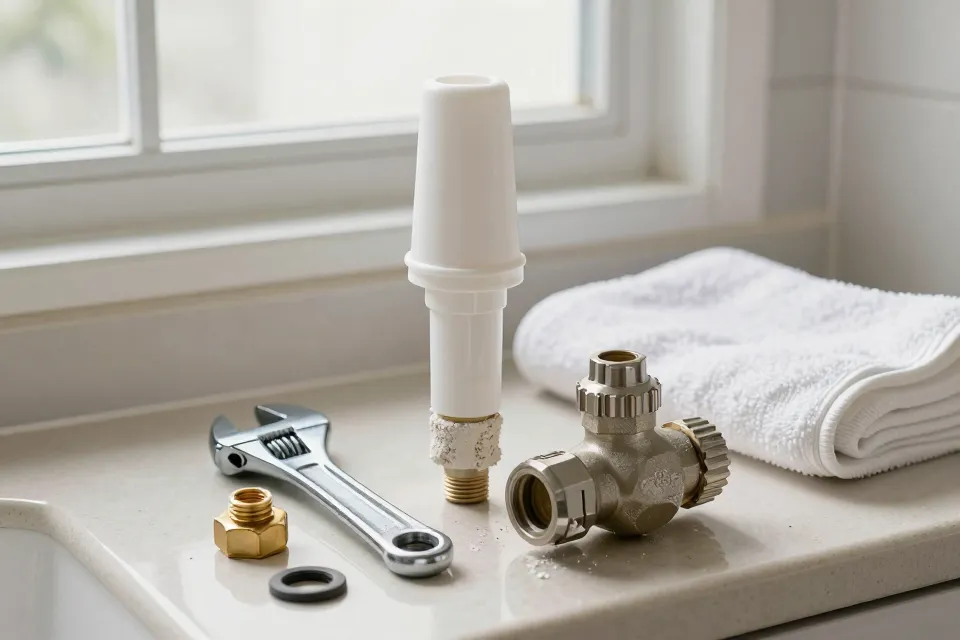
Fix 3: Replace the Fill Valve When It Refuses to Shut Off
If the hissing survives a new flapper and a correct water level, the fill valve is the culprit. Years of grit and minerals can jam the valve open, or the float can stick, so the valve keeps feeding water after the tank is full. One free attempt comes first: many fill valves have a cap that twists off the top, and rinsing the seat beneath it can free a grain of debris. If the valve still will not shut off, replacement takes about half an hour with a universal part. Turn off the supply valve, flush the tank, then unscrew the supply line from the bottom of the valve and remove the lock nut holding it to the tank. Lift the old valve out, drop the new one in, and retighten the lock nut by hand before finishing with a wrench — the tank wall is porcelain and cracks under force. Reconnect the supply line, set the new float so water stops half an inch to an inch below the overflow tube, turn the water back on, and test a few flushes.
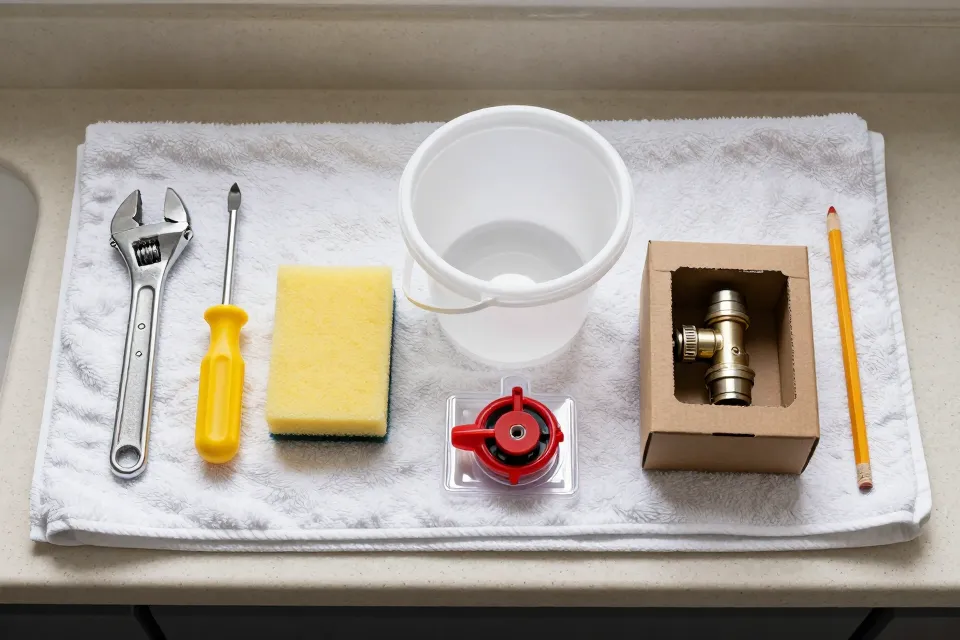
Tools and Parts Checklist
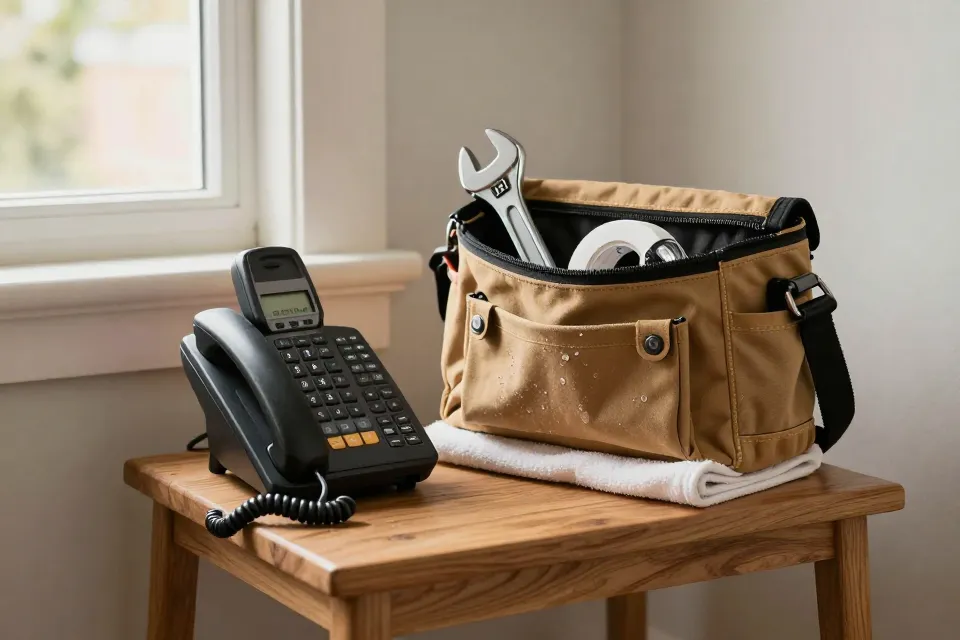
Gather everything before you start, so the trip to the hardware store happens once. Tools: an adjustable wrench or pliers for the supply line, a flathead screwdriver for float adjustments, a bucket and sponge for leftover tank water, and a towel for drips. Parts: a replacement flapper, and a universal fill valve if Fix 3 is on the list; both are stocked at practically every hardware store, and flappers cost only a few dollars. Two free helpers make reassembly guess-free: mark the current water level with a pencil on the tank wall, and photograph the old parts before removing them.
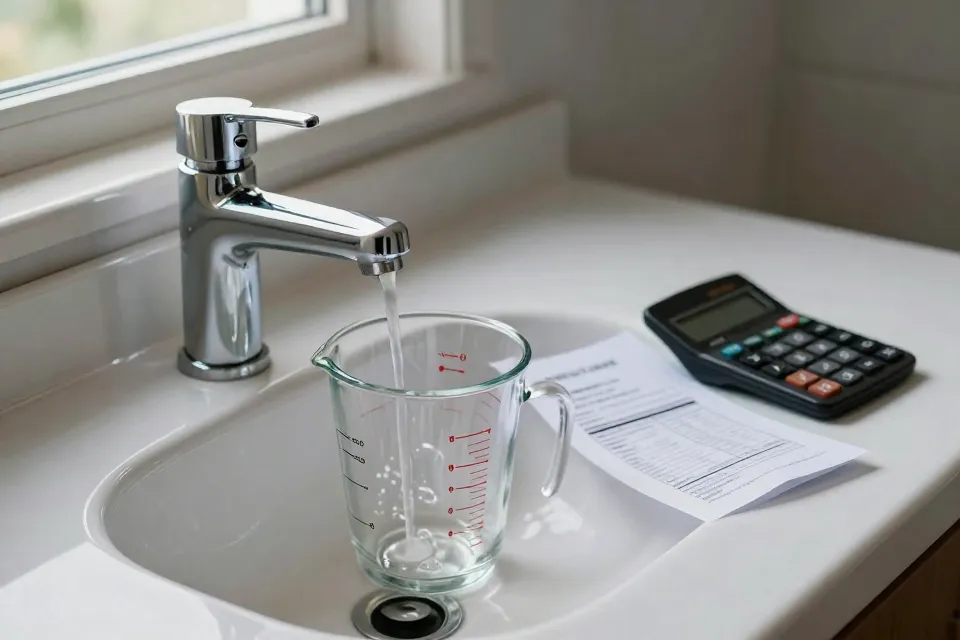
The Math of a Running Toilet: What EPA Says About the Waste
Here is what the leak actually costs. A leaky toilet can waste up to 200 gallons of water per day — the figure used by EPA's WaterSense program and its Fix a Leak Week materials for a toilet that runs continuously. Across the whole house, EPA estimates the average household's leaks waste nearly 10,000 gallons a year, and about ten percent of homes have a leak that wastes 90 gallons or more every day. Most of that waste ends with repairs like the ones in this guide, where the parts cost a few dollars. Even a toilet that only runs every few minutes is pouring clean, treated water down the drain all day and night — a bill you pay twice over in dollars and in wasted water.
When It Is Time to Call a Plumber
Most running toilets are clean DIY jobs, but a few situations belong to a professional: water pooling around the base of the toilet suggests a wax ring or tank leak, not a flapper; a supply valve that drips when you turn it is a separate repair; and if you cannot find the shut-off valve, or the tank looks cracked, stop before making things worse. When in doubt about which part fits an older toilet, ask a plumber or the counter staff at a hardware store — that question is free.
Running-Toilet Myths, Busted
| Myth | What you should know |
|---|---|
| A little running is normal | Any continuous flow is a leak; EPA estimates a running toilet can waste up to 200 gallons a day. |
| Jiggling the handle fixes it | Jiggling only masks a worn flapper or a chain problem — the leak comes back. |
| Only the flapper causes running toilets | The fill valve and the water level cause it just as often, which is why this guide checks all three. |
| A silent toilet is a sealed toilet | Many flapper leaks are silent; the dye test catches them. |
Want to test more practical home skills? Browse the quiz library for quick practice.
Content on KnowHow Bench is for general information only. See our Disclaimer for details.