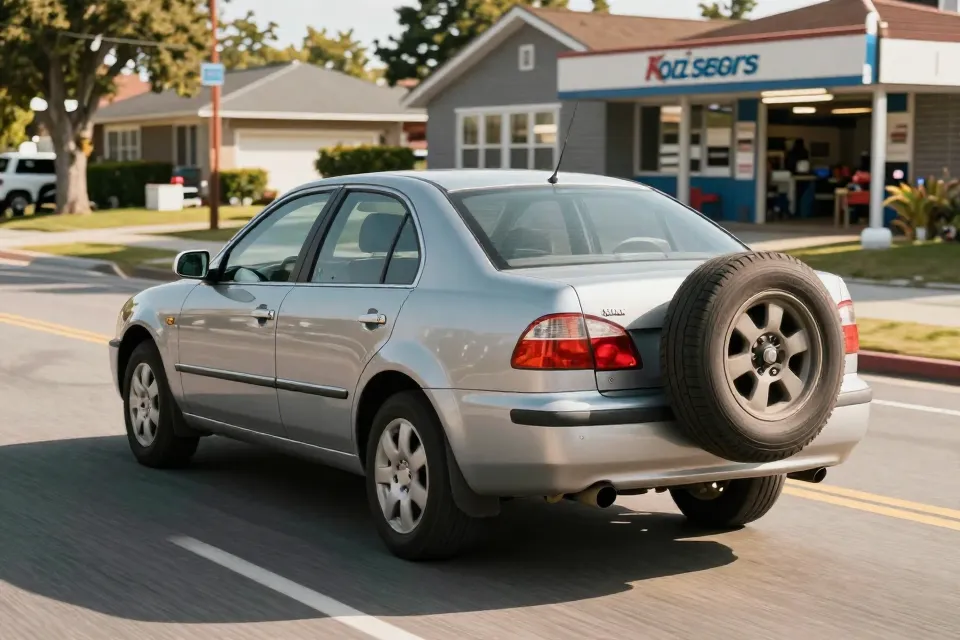
How to Change a Flat Tire On Your Own
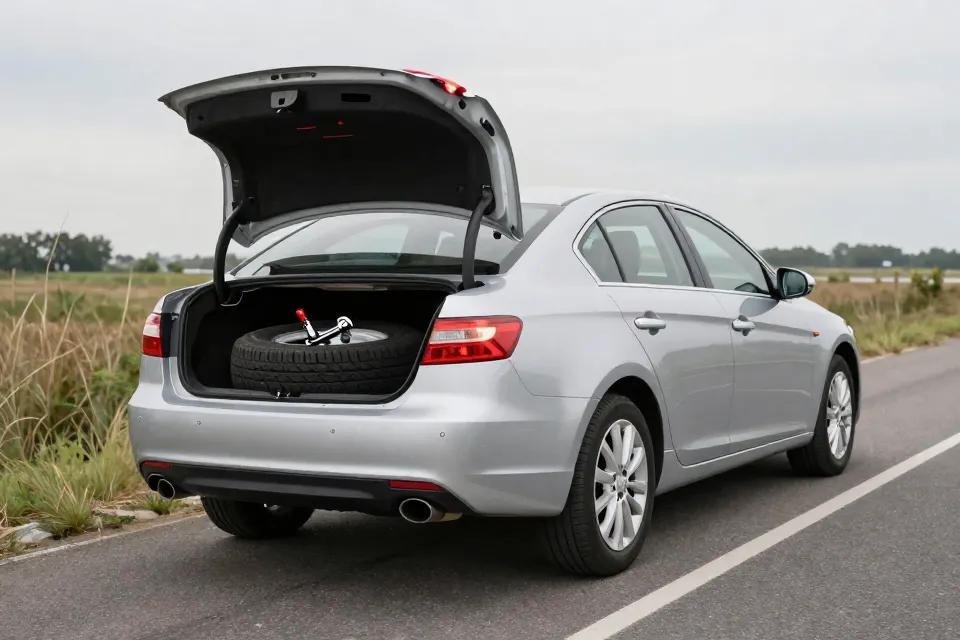
You hear a sudden thump. The steering wheel pulls to one side. Your heart sinks: a flat tire. It happens to almost every driver at some point. The good news? You can change it on your own. Everything you need usually rides with you already: a spare tire, a jack, and a lug wrench. This guide explains the safe order of the job — where to stop, how to raise the car, how to get the wheel back on — and when it is smarter to call a professional. No fancy tools. No jargon.
Pull Over Safely, Then Set Up
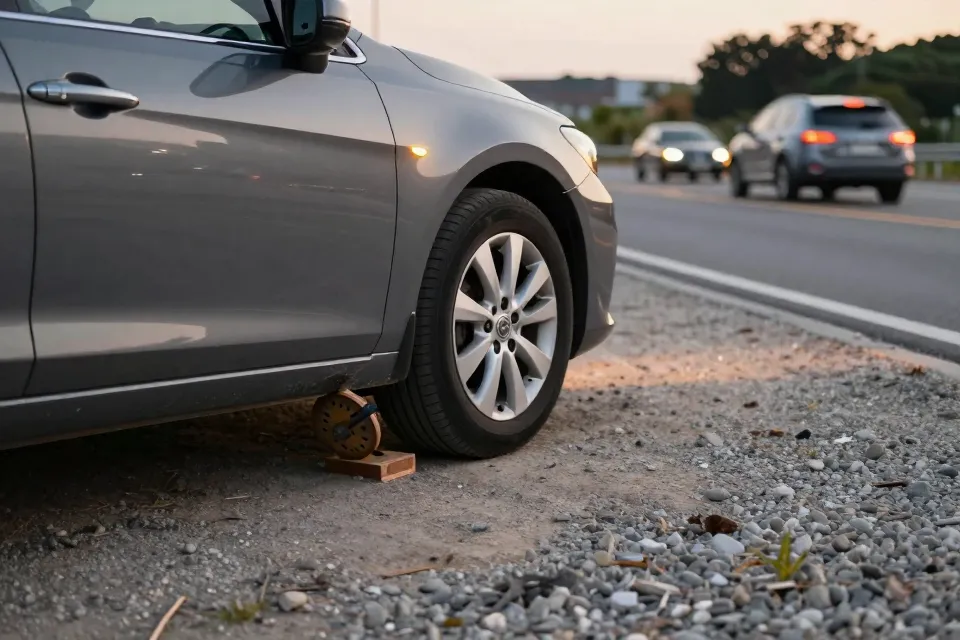
The biggest mistake happens before the wrench comes out: picking a bad place to stop. Your safety matters more than a quick fix. Stop as far off the road as you safely can, away from moving cars, on solid, level ground. Avoid hills and slopes — a car on a jack can roll, and working on a slope is dangerous (AAA; wikiHow).
Once you are stopped, do these four things in order:
- Turn on your hazard lights. They warn other drivers that you are stopped (AAA; wikiHow).
- Set the parking brake. Shift into Park and pull the parking brake firmly. This helps stop the car from rolling (AAA; wikiHow).
- Block the opposite wheel. If you have a wheel chock, use it. No chock? A brick, a chunk of wood, or a large rock works for a short stop. Put the block against the wheel on the opposite end of the car — for a flat on the right rear, block the left front wheel (Art of Manliness; wikiHow).
- Get everyone out of the car. Have passengers unbuckle and step well away from the vehicle and traffic. Stay alert the whole time (AAA).
Find Your Spare and Your Tools
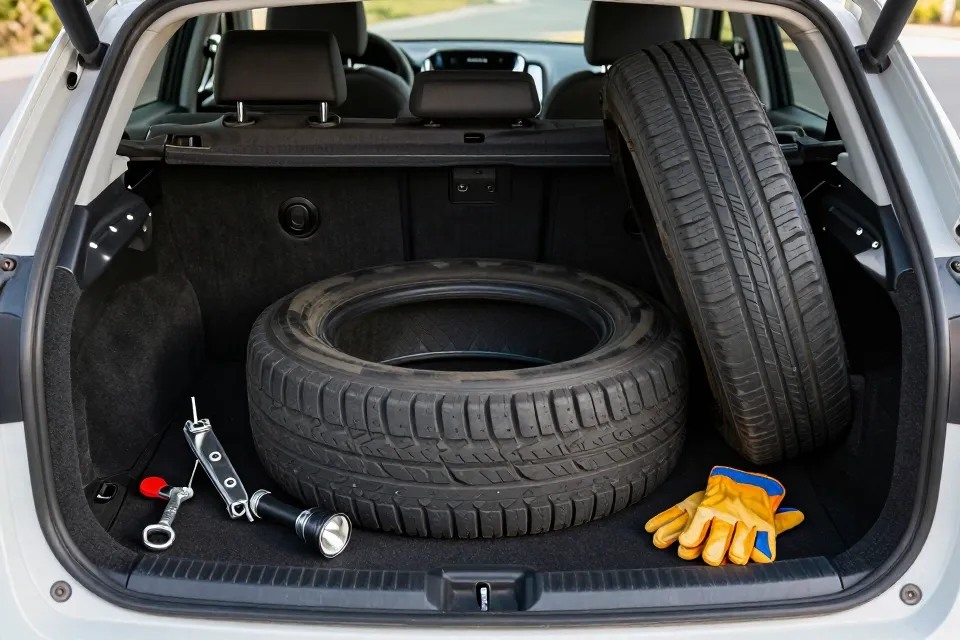
If you are reading this at the roadside, open the trunk and look around. On most cars, the spare sits under a cover on the trunk floor, with the jack and lug wrench beside it (wikiHow). On a Jeep or a larger SUV, the spare may be mounted on the back or carried underneath the vehicle instead (wikiHow). Many newer cars skip the spare and carry a sealant kit or run-flat tires instead — the manual explains what to do (AAA).
The three tools are the jack, the lug wrench, and the spare tire. On many vehicles, the lug wrench doubles as the jack's crank handle, so it all lives together (wikiHow). A flashlight, gloves, and a tire gauge are nice extras (AAA). If you are not sure where the jack points are or which way the wrench fits, the owner's manual has the answers. Read it before you need it (AAA; wikiHow).
The Exact Order: Loosen, Lift, Swap, Lower, Tighten
The order matters more than people think. This is the sequence used in the guides from AAA, wikiHow, and The Art of Manliness:
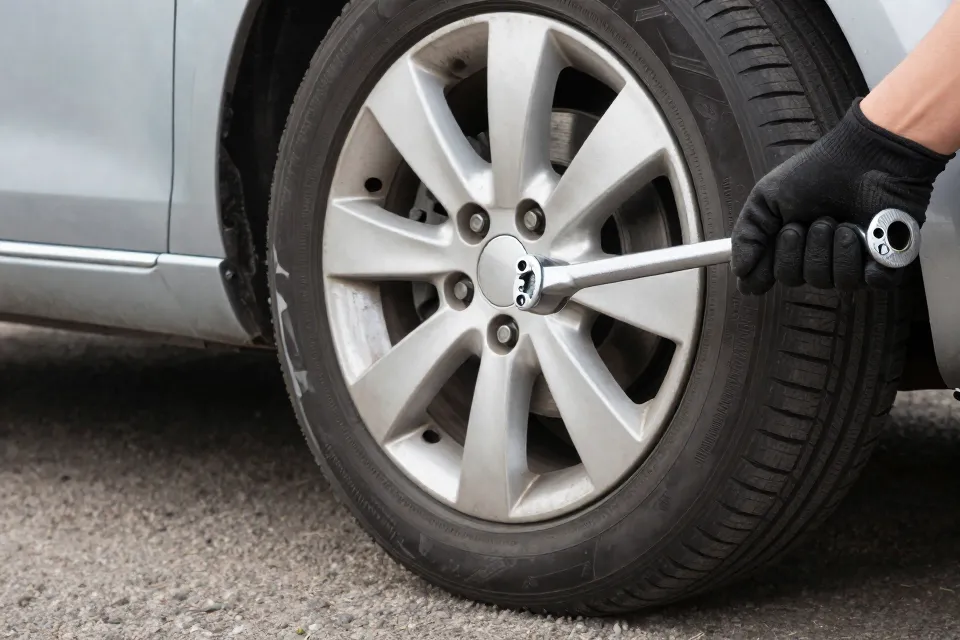
- Loosen the lug nuts while the car is still on the ground. Use the wrench to turn each nut counterclockwise a few turns — just enough to break it free. Leave the nuts on. The wheel stays still when the car is down, so the nut turns instead of the tire. Twisting a tight nut while the car is lifted can shove the car off the jack (AAA; Art of Manliness; wikiHow).
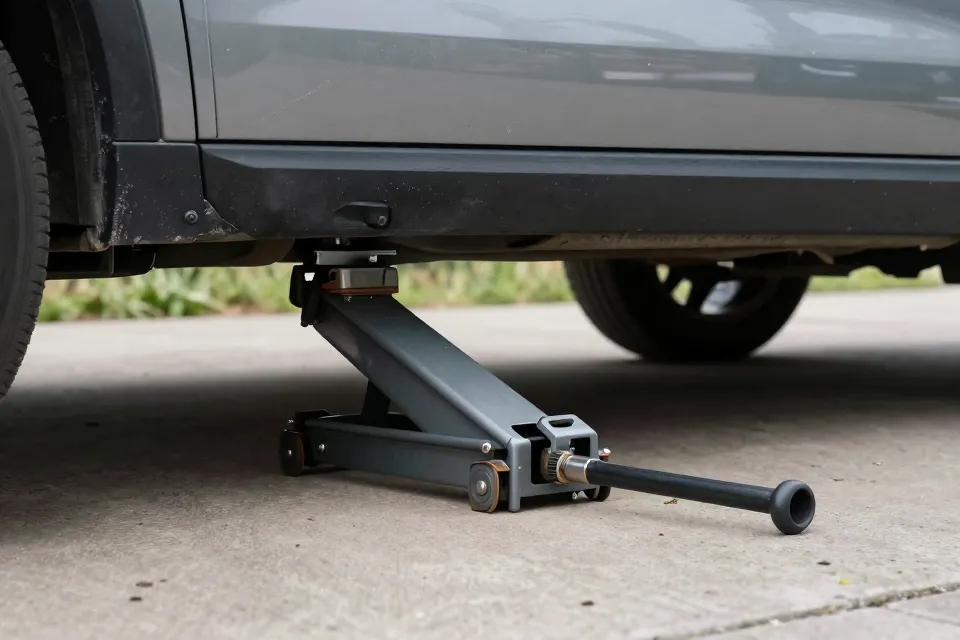
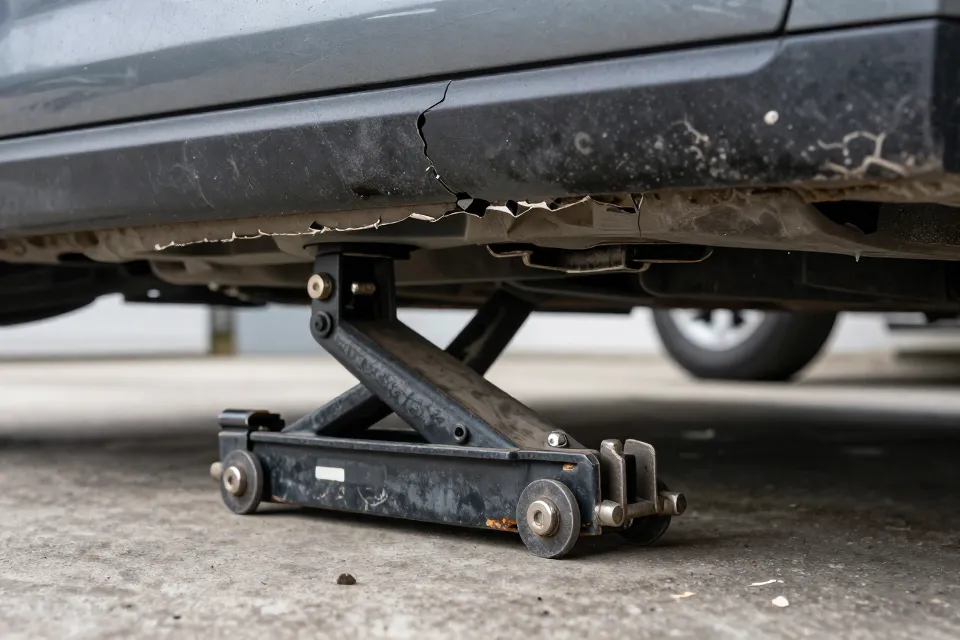
- Place the jack on a jack point. Jack points are the reinforced spots under the car near each wheel — often notched metal tabs or small marks. Check the manual for the exact spots. Set the jack head against the frame or the metal jack point. Never jack up plastic bodywork, rocker panels, or trim: the plastic can crack, and the car can slip (AAA; wikiHow).
- Raise the car. Crank the jack until the flat wheel clears the ground — about 4 to 6 inches (10 to 15 cm) is enough (wikiHow). Press down on the raised corner to test that it feels steady. Never put any part of your body under the car (wikiHow).
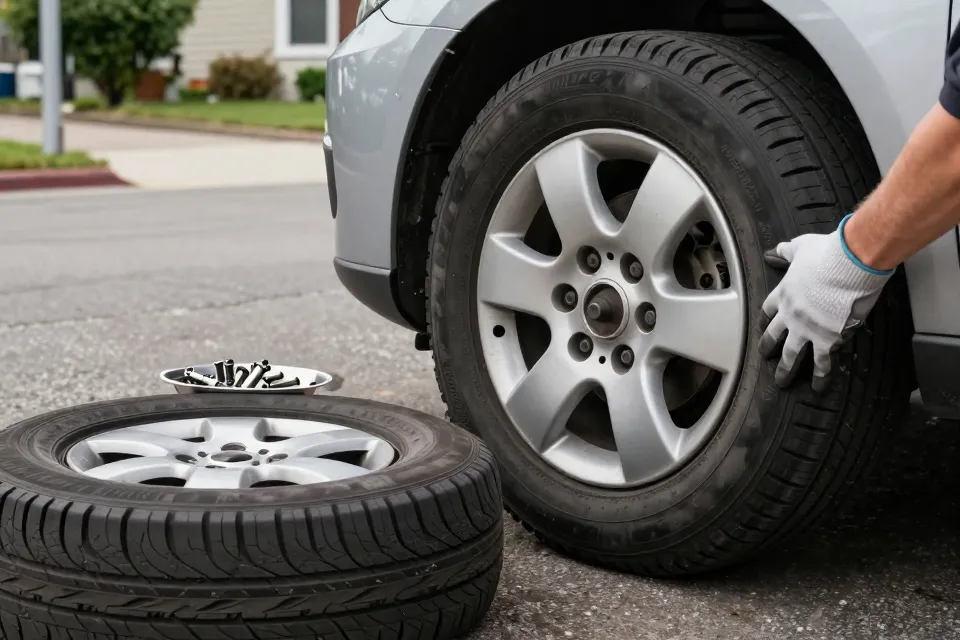
- Remove the nuts and the flat wheel. Take the lug nuts off by hand — they are already loose — and set them where they cannot roll away. A hubcap makes a handy tray (AAA; Art of Manliness). Slide the flat wheel straight off, and lay it flat on the ground so it cannot roll into traffic (Art of Manliness).
- Mount the spare. Line up the holes in the spare's rim with the wheel studs and slide the wheel on (Art of Manliness; wikiHow). If you have to lift the wheel, bend your knees and lift with your legs, not your back (wikiHow).
- Thread every lug nut on by hand. Tighten each nut with your fingers, then snug them finger-tight before moving on. This keeps you from cross-threading and damaging the wheel (AAA).
- Lower the car partway. Lower the jack until the spare touches the ground but some weight is still on the jack. Now snug the lug nuts with the wrench (AAA).
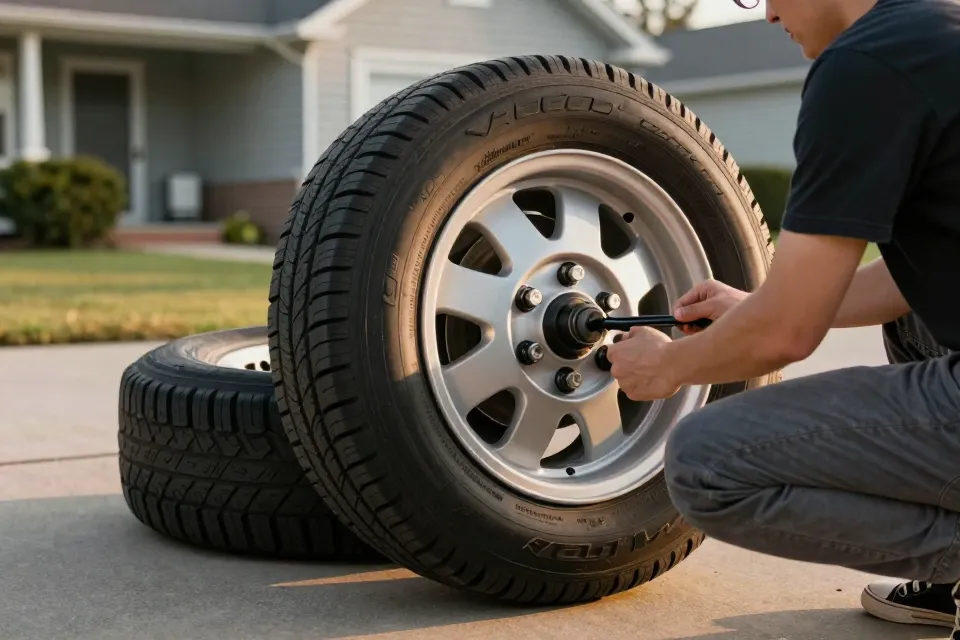
- Lower the car fully, then do a final tightening. Bring the car all the way down and remove the jack. With the full weight on the spare, tighten every lug nut in a star pattern (AAA; wikiHow). The next section shows why that pattern matters.
The Star Pattern, Explained
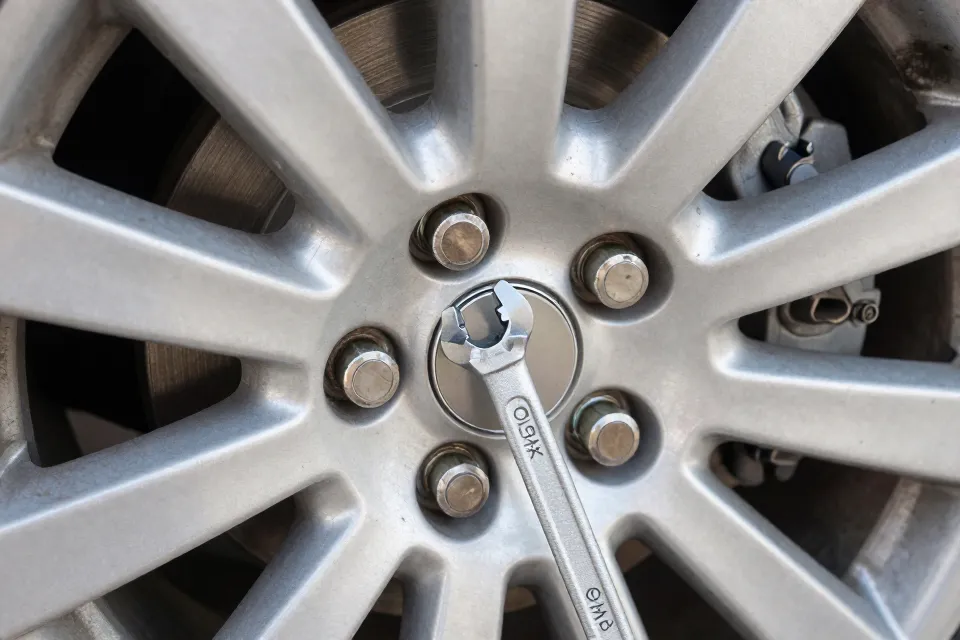
Your wheel has four, five, or six lug nuts. If you tighten them one after another in a circle, the wheel can sit crooked on the hub. The fix is the star pattern: tighten one nut, then move to the far nut on the opposite side, and keep hopping across the wheel instead of going around it (AAA; wikiHow).
Work in small steps. Give each nut a few turns, move to the opposite nut, and repeat until all feel equally snug (AAA; wikiHow). Then go around the star once more to double-check each nut (wikiHow). This seats the wheel evenly so it spins straight (AAA).
Two keys to remember: the final round of tightening happens with the car's weight on the ground, and every nut should feel as tight as its neighbors.
Know Your Donut Spare's Limits
Many cars come with a temporary spare — smaller and lighter than a full wheel, nicknamed a "donut." Donuts are built for short, low-speed trips to a repair shop, not for daily driving (AAA).
| Limit | The rule | Source |
|---|---|---|
| Speed | Keep it at or under 50 mph (80 km/h) | wikiHow; AAA |
| Distance | Plan on about 50 miles or less | wikiHow; AAA |
| Owner's manual | Your manual is the final word — it may list different limits | AAA |
| Full-size spare | If your spare is a full-size tire (not a donut), you can drive normally | wikiHow |
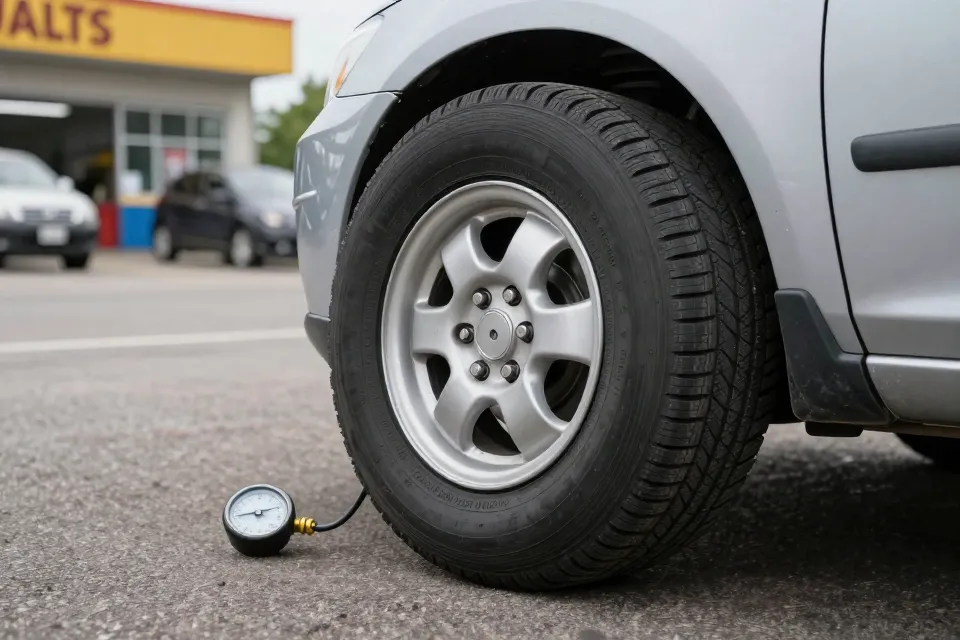
Before you pull away, check the spare's pressure if you have a gauge — even an unused spare loses air over time (AAA). Drive straight to a shop: a donut is a bridge to a repair, not a permanent fix (AAA).
When to Skip It and Call for Help
A flat tire does not always mean you should change it yourself. Ask yourself three questions: Is the ground solid and flat? Is there real space away from traffic? Do I have the tools and a working spare? If the answer to any one is no, call roadside assistance (AAA; wikiHow).
Other good reasons to call: the lug nuts are stuck or overtightened; your car uses wheel locks and the key is not with you; your car has no spare at all; or the damage to the tire makes driving unsafe (AAA). Roadside technicians can mount your spare, or tow your car to a shop if no usable spare exists (AAA). Note: crews like AAA do not patch or plug tires at the roadside — permanent repairs belong in a shop (AAA).
It also helps to be honest about confidence. If the situation feels wrong — a dark road, heavy traffic, rain — stop and call. There is no shame in it (AAA; wikiHow).

Common Mistakes and Fast Fixes
| Mistake | Why it is risky | The fix |
|---|---|---|
| Loosening lug nuts after the car is lifted | Pushing a tight nut can shove the car off the jack | Always break the nuts loose on the ground first (AAA) |
| Jacking up plastic bodywork or trim | Plastic cracks; the car can slip or tilt | Use the frame jack points from the manual (AAA; wikiHow) |
| Tightening the nuts in a circle | The wheel can sit crooked and spin unevenly | Tighten opposite nuts, star style (AAA; wikiHow) |
| Driving fast or far on the donut | Temporary spares fail beyond their limits | 50 mph max, short distance, straight to the shop (wikiHow; AAA) |
| Leaving the old wheel loose at the roadside | It can roll into traffic | Lay the flat wheel flat on the ground (Art of Manliness) |
| Reaching under the raised car | Crushing risk if the jack slips | Keep your body out from under the car (wikiHow) |
Before You Drive Away
Take one last look before you go, in this order:
- Lug nuts — all tight, in the star pattern, with the car's full weight on the ground.
- Tools and old tire — back in the trunk, with the hubcap and the jack.
- Spare pressure — checked, if you have a gauge.
- Speed and route — stay under 50 mph and head straight to a repair shop.
- Wheel lock key — with the car, in case a shop needs to remove your wheels.
Then get the flat repaired or replaced as soon as you can — a donut gets you to the shop, it does not replace one (AAA).
Want to test what you have learned? Try a quiz in our quiz library.
Content on KnowHow Bench is for general information only. See our Disclaimer for details.