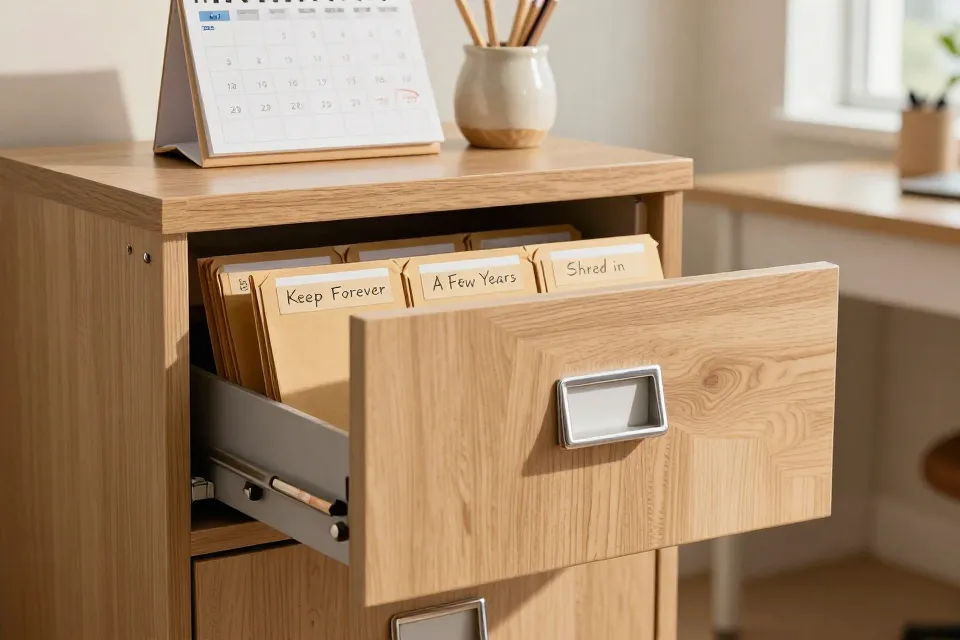
Important Documents to Keep (And What to Shred)
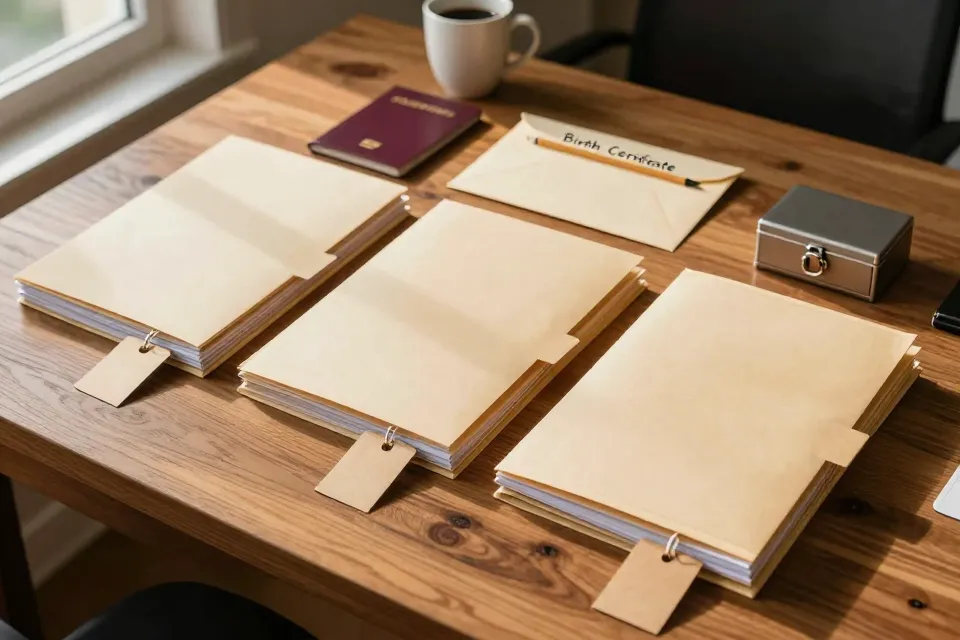
Where is your birth certificate right now? If you had to leave home in fifteen minutes, could you grab your passport, your deed, and your insurance cards on the way out? Most of us cannot. This guide fixes that. It sorts your household paperwork into three piles: keep forever, keep a few years, and shred. While you are in your file drawer, brush up on the words printed on those papers → Legal Lingo Quiz.
The Three-Question Test
Before you keep, shred, or scan a single page, run it through three questions. Is this the only copy? A birth certificate and a deed can take weeks to replace. Does the IRS care? Tax records follow tax rules, not feelings. Can we order a new one? A pay stub or a utility bill is easy to recreate. An old insurance policy is not. Three answers, and the pile chooses itself.
Keep Forever: Proof of Who You Are
A small set of papers is really you on paper. Cooperative Extension consumer guides call these keep-for-life documents:
- Birth certificate
- Social Security card
- Passport (even expired — you need one to renew it)
- Marriage license and divorce decree
- Naturalization or citizenship papers
- Military discharge papers (the DD-214)
- Adoption papers

Store the originals in one safe place, and keep a plain copy at home for everyday needs. Do not keep these in a damp basement box or a desk drawer everyone can reach.
Keep Until the Deal Closes
Other papers have a job. They stay until the job is done, then they can leave:
- Home deed and closing papers — as long as you own the house. If the house touches your taxes, follow the IRS basis rule below.
- Car title — while you own the car. Keep the lien release after the loan is paid.
- Mortgage payoff letter — keep it. It is proof the loan is closed.
- Insurance policies — while the policy is active. After one ends, common advice is to hold the paperwork for a couple of years in case an old claim shows up.

Your Will, Trust, and Powers of Attorney
These papers have no calendar date. A common practice: keep the signed originals where you can reach them, tell two people you trust where they are, and reread them every few years so they still match your life. Outdated directions can create big headaches. Wills and trusts are legal matters, so the exact rules for your state are best checked with a lawyer — this article is general information, not legal advice.

Tax Records: How Long Is Long Enough?
Here is the official part. The IRS publishes the rules for how long to keep records, and the clock starts on the date you file your return. For most families, the short version, per the IRS:
| Keep records for | When this applies |
|---|---|
| 3 years | Most situations, including most refund claims |
| 6 years | You did not report income of more than 25% of what the return shows |
| 7 years | Loss claims for bad debt or worthless stock |
| 4 years | Employment tax records (if you have household help) |
| Until you sell, plus 3-7 | Records that set the "basis" of a home or investment |
Two notes. First, the years run from the date you filed, and the IRS page has more fine print — always check the current official guidance. Second, a common rule of thumb from tax pros: keep the returns themselves at least as long as the windows above. Paper is cheap; an audit is not.
Bank and Utility Paperwork: No Need for Forever
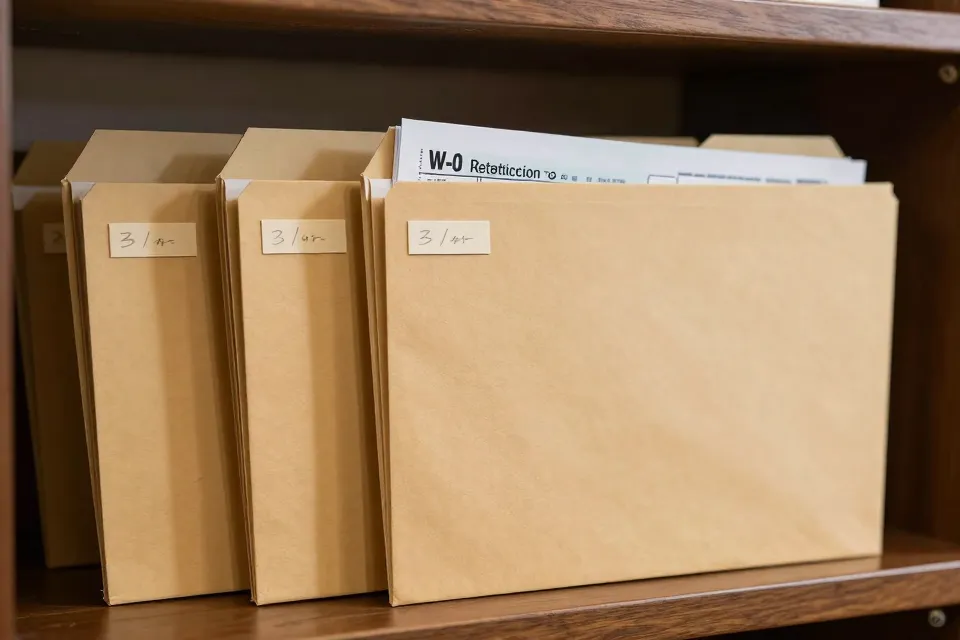
This is the pile that buries most homes, and nearly all of it can go. These are general rules of thumb, not official deadlines:
- Bank statements — keep them long enough to compare with your own records; about a year is plenty for most people.
- Credit card statements — keep until you check the charges, commonly 60 days to a year. Longer if they back up a tax deduction.
- Utility bills — once paid and double-checked, shred them. Keep the current bill if you need proof of address.
- Pay stubs — keep until your W-2 arrives and the numbers match, then shred.
- Receipts — tax-deduction receipts follow the IRS windows above. The rest can go once returns, refunds, and warranties are settled.
Any statement that supports a tax deduction follows the IRS table instead of the rule of thumb. That is the honest answer to how long should I keep tax records: as long as the window for that return needs, and no longer.
What to Shred — and Why It Matters
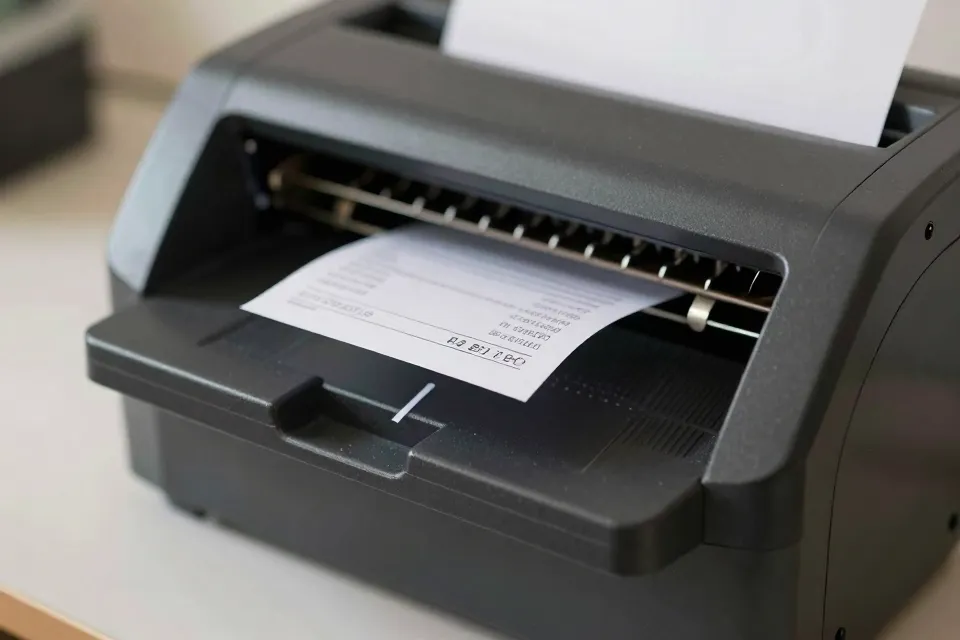
Identity thieves read trash. The FTC says it plainly: when you no longer need a paper with personal information, shred it. Thieves hunt for account numbers, birth dates, signatures, Social Security numbers, and medical details.
- Shred old statements, expired credit and debit cards (cut the chip, too), pre-approved card offers, insurance notices, and anything with your signature.
- Use a cross-cut shredder. The FTC points to shredders that turn paper into confetti-size bits that thieves cannot easily put back together.
- No shredder? Many communities and banks run free shred days — worth checking in your town.
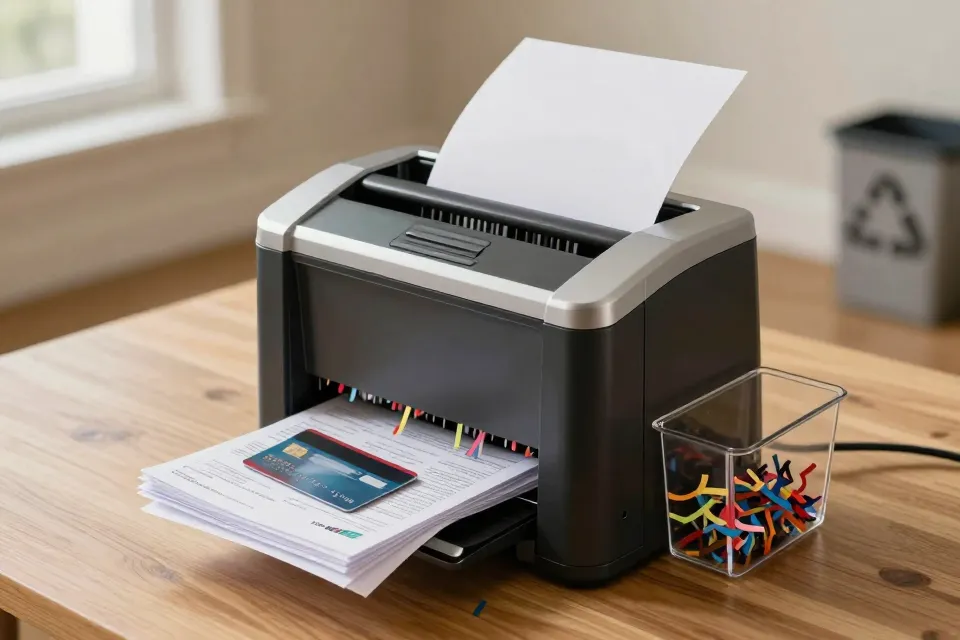
Easy test: if a stranger could open an account or empty a wallet with that paper, it does not go in the trash whole.
Paper vs. Digital: The Two-Copy Plan
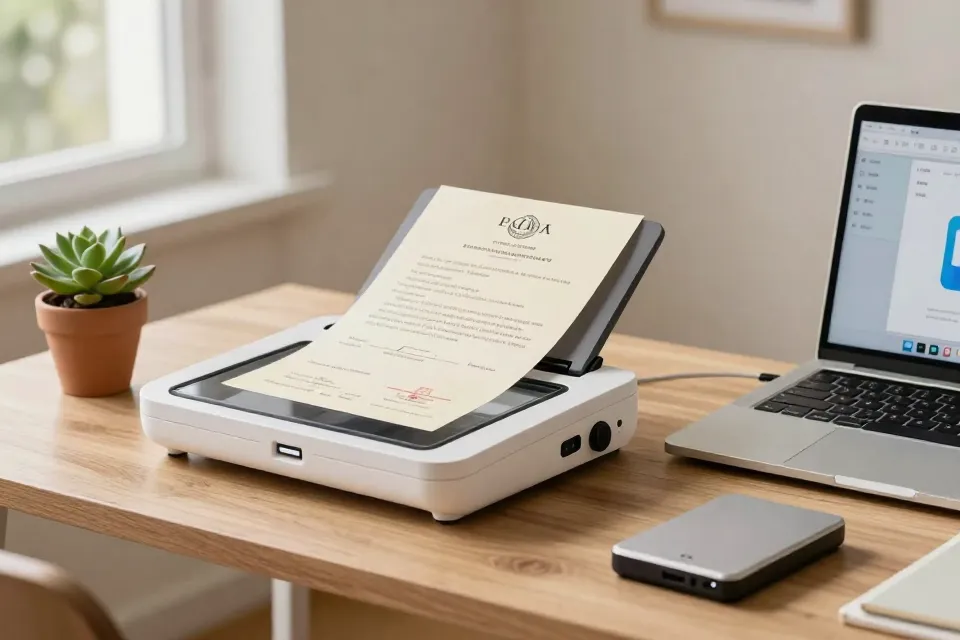
Scanning is your friend, not a one-way trip. A common practice: scan the keep-forever pile into PDFs, save them to a password-protected cloud drive or an encrypted folder, and keep a second copy on an external drive. Use a strong, unique password, and turn on two-factor sign-in if the service offers it. Refresh the scans once a year. Then mind the catch: some offices — think passports and Social Security — still want the real paper or a certified copy. A scan helps you remember what you own. It does not replace the deed.
Fireproof and Waterproof Storage
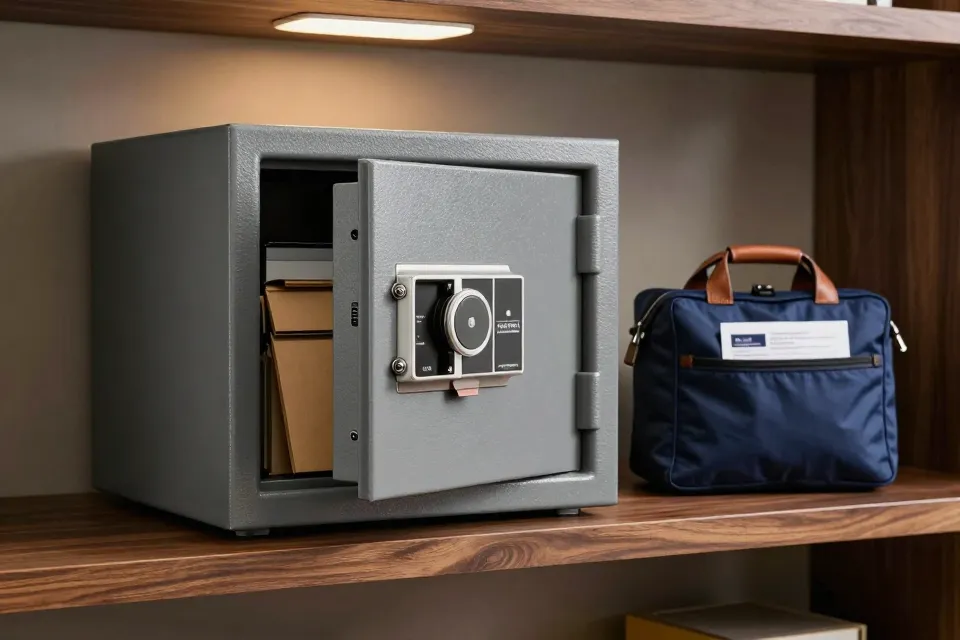
Fire and flood do not care about your filing system. A common practice: keep the keep-forever pile in a fire-rated, waterproof home safe, and keep the safe off the floor — basements flood first. Many people also use a bank safe deposit box for certified copies. Spread the copies out, so one fire cannot erase your whole identity at once. Bank and state rules about safe deposit boxes differ, so a quick call to your bank sorts that out.
The Grab-and-Go Document Bag
Emergency-preparedness guides from groups like AARP suggest a small bag that is ready before you need it. The paperwork version holds:
- Copies — not originals — of your driver's license, passport, and insurance cards (health, home, auto, and Medicare if you have it)
- A list of medications and allergies
- Cash and a phone charger
- Names and numbers for your bank, lawyer, and insurance agent
- One copy of the location list below
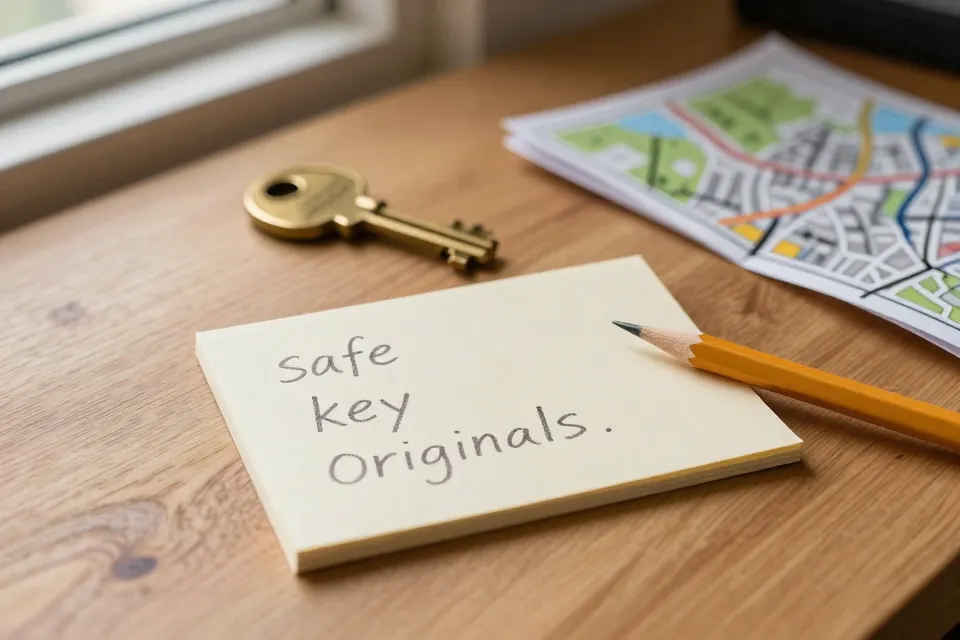
The location list: one card that says where your safe is, where the key is, and where the originals live. Put a copy in the bag, one in your wallet, and send one to the family member who would come looking for you. Many people refresh the bag twice a year, at the same time they change the clocks.
Three Myths About Paperwork — and the Truth
| Myth | The truth |
|---|---|
| "I should keep every bill, just in case." | Verified and paid bills are safe to shred. Piles do not equal protection. |
| "Only really sensitive papers need shredding." | A name plus an account number or birth date is enough for a thief. The FTC says: shred what you no longer need. |
| "A photo of my Social Security card is as good as the card." | For official business, no. Keep the real card safe and show a copy only when asked. |
| "Cloud storage never fails." | Services close and files corrupt. Keep two backups — at least one of them offline. |
Your First 20 Minutes
- Open one drawer.
- Make three piles: keep forever, keep a few years, shred.
- Run the shred pile today — do not give it a second night in the house.
- Move the keep-forever pile into the safe or box.
- Write the location list and share it with family.
- Put a 20-minute date on next year's calendar.
The second session is faster than the first, and the paperwork that once felt overwhelming becomes a folder you could pack in minutes. If the legal names on those folders are fuzzy, take the Legal Lingo Quiz once more. Content on KnowHow Bench is for general information only. See our Disclaimer for details.