How to Write a Resume With No Experience (And Still Get Noticed)
Staring at a blank page because you have never held a job? Take a breath. You are not the first person to feel this way, and you will not be the last. The good news: a paid job history is not required to write a resume that gets noticed. This guide walks you through a skills-based resume step by step, in plain English, so you can send your first application with confidence.
First, Stop Saying You Have "No Experience"
The word "experience" scares off many first-time job seekers. Here is the secret: experience is bigger than a paycheck. It includes class projects, volunteer work, clubs, side jobs, caring for family members, and even the way you run your own home. One career coach puts it this way: everyone has experience—there is no such thing as "no experience."
Think about what a job posting really means. Many entry-level listings read like wish lists. Employers do not expect a beginner to check every box. They are looking for potential, not perfection.
That is why a skills-based resume works so well for you right now. It puts your abilities up top instead of your job history. It is sometimes called a functional resume. Use it when you have no work history, a big gap in your past, or a career change in your plans.
What Hiring Managers Really Want From First-Timers
When a manager opens your resume, they are not hunting for a missing job title. They want signs that you show up, learn fast, and work well with others. Career experts say these are the qualities they look for when there is no job history:
- Communication: you speak and write clearly.
- Teamwork and leadership: you cooperate, and you can take charge when needed.
- Organization and reliability: you plan ahead, you respond, and you follow instructions.
- A willingness to learn: you are open to training and new tasks.
- Attention to detail: your resume is clean, accurate, and easy to read.
Notice what is not on that list. Nobody expects you to name a former boss. Soft skills matter more in entry-level roles, because most of the job is taught after you are hired.
The Skills-Based Resume: Six Sections That Work Without Work History
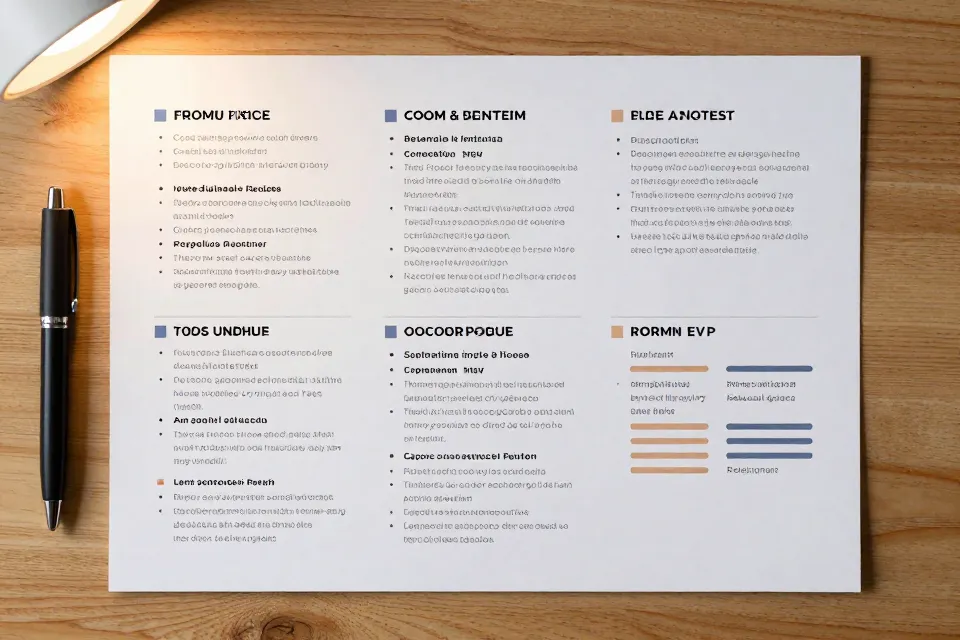
A skills-based resume is just a set of sections that lead with your strengths. Here is the order most career centers suggest:
- Contact information. Your name, your phone number, a professional email address, and your city and state. Add a LinkedIn profile or a portfolio link if you have one.
- Resume summary. Two or three lines that say who you are and what you are working toward. Example: "Friendly and organized high school graduate looking for an entry-level customer service role. Experience with volunteering and school projects."
- Skills. This is the heart of a skills-based resume. List skills that match the job posting, and mix hard skills (Microsoft Office, Google Workspace) with soft skills (problem-solving, time management).
- Your activities. This section takes the place of work history. Give each activity two or three bullets: volunteering, school projects, club roles, tutoring, babysitting, or gig work.
- Education and training. Your school name, your diploma or expected graduation date, and any coursework or certificates that relate to the job.
- Optional extras. Awards, languages, technical skills, or interests that connect to the role.
Keep the whole resume to one page. Recruiters often spend only a few seconds on a first look, so short and clear beats long and fancy.
Turn Everyday Life Into Achievements
Here is where many first resumes go wrong: they list duties instead of results. Try a different habit. For every activity, answer three questions. What did I do? Who did it help? What happened because of it?
Now add numbers and strong verbs. Compare these pairs:
| Weak statement | Strong statement |
|---|---|
| "Helped keep the house accounts." | "Managed a monthly family budget of $3,200 and trimmed food spending by 12% in six months." |
| "Babysat for neighbors." | "Cared for two children, ages 3 and 5, three evenings a week—meals, bedtime, and homework." |
| "Volunteered at the food bank." | "Helped pack and hand out food for 40+ families every week at the local food bank." |
| "Made posters for the club." | "Designed 12 posters that promoted a school event to 500+ students." |
See the pattern? The strong versions name a number and show an outcome. That tells a manager what you can bring to the job. One rule here: never invent numbers. Be specific and honest. A true first resume beats an imaginary perfect one.
Where to Find Experience You Didn't Know You Had
Still stuck? Sit down with a blank sheet of paper and list everything you have done outside a paid job. Career centers say all of these count:
- Volunteer work. Food banks, shelters, church events, school fundraisers.
- Clubs and teams. Any group role shows teamwork; a leadership spot shows responsibility.
- Class projects and coursework. That big presentation you gave? That is communication and research.
- Part-time jobs and gigs. Babysitting, tutoring, lawn mowing, and delivery work all teach time management and customer service.
- Personal projects. A blog, a craft business, a computer you rebuilt—each one shows initiative.
- Life roles. Many hiring managers value caregiving for a parent, PTA service, coaching a kids' team, or running a busy household budget. Name the skill, not just the role.
One tip from career advisors: know how each experience connects to the job. Being good at planning your week matters, but what the manager sees is organization. Translate what you do into the words the job posting uses.
Keep It Clean: One Page, Clear Headings, No Typos
- One page. Entry-level resumes are typically one page. If yours spills over, cut the weakest line, not the best one.
- Simple layout. Use clean spacing and a standard font. Bold headings help a reader find each section fast.
- Proofread like it matters. Run spell check, then read it out loud. Typos make a poor first impression.
- Smart file name. Save it as a PDF named something like "YourName-Resume.pdf" so it is easy to find.
- Fresh eyes. Ask a parent, friend, or advisor to read it. A second set of eyes catches what yours miss.
Tailor Every Resume to the Job
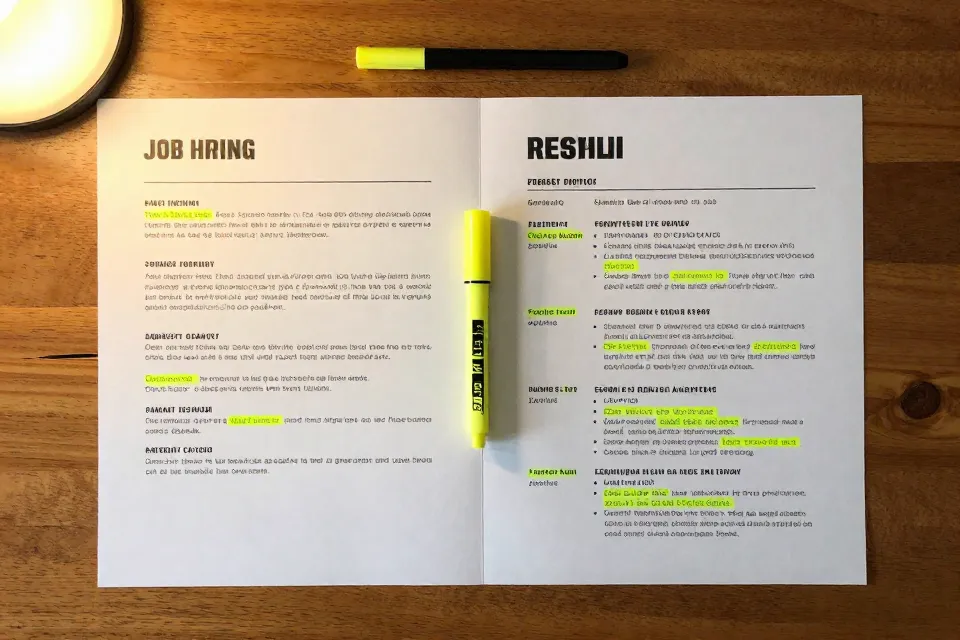
One resume for every job is tempting. It is also a mistake. When your resume mirrors the posting, you match what the employer is looking for.
- Before you apply, read the job posting twice and circle the skills it names.
- Use those same keywords in your skills section and your bullets.
- Shift your summary so it fits each role, whether the job is retail, office, or caregiving.
- If a role feels like a stretch, a short cover letter can explain your interest and your strengths. It is not required everywhere, but it helps when you have no experience to lean on.
Common Mistakes That Sink a First Resume
Watch out for these classic traps:
| Mistake | Fix |
|---|---|
| Skipping the resume because you have "no experience" | Write it anyway. Entry-level employers expect potential, not a work record. |
| Filling the page with hobbies | One or two interests only, and only if they connect to the job. |
| Inventing jobs or numbers | Stay honest. Specific and true beats impressive and fake. |
| Fancy templates with photos and graphics | Keep the design simple. Your message should carry the page, not the decoration. |
| Sending the same resume everywhere | Tailor your skills and summary to each posting. |
| Listing duties instead of results | Add numbers and outcomes to at least two bullets. |
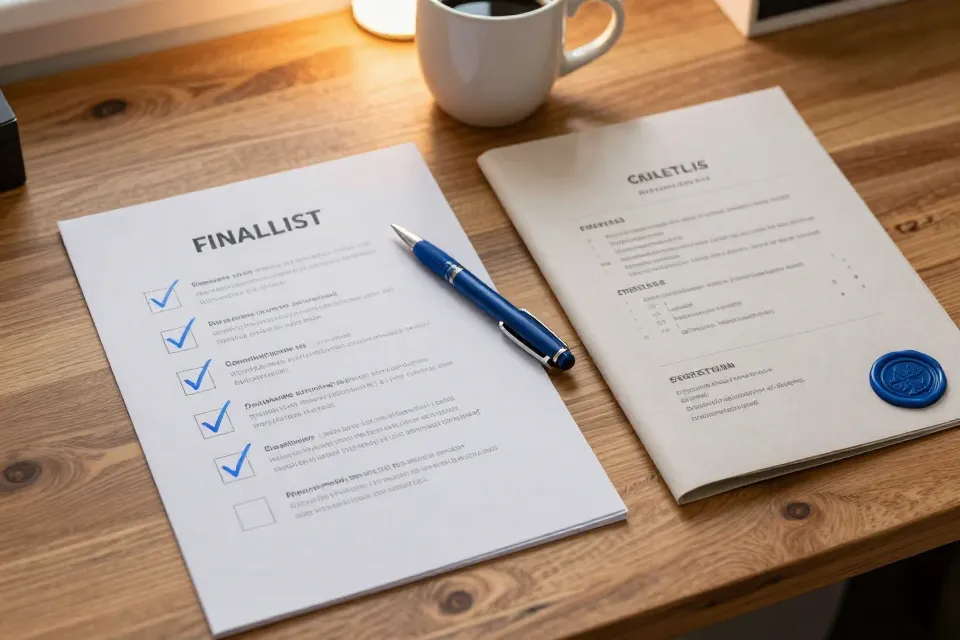
Final Checklist Before You Hit Send
- The resume fits on one page.
- Spell check passed, and I read it out loud.
- Someone else read it too.
- My skills match the keywords in the job posting.
- At least two bullets have numbers or outcomes.
- My email address looks professional, and my phone number is right.
You do not need a long list of past jobs to start your career. You need a resume that shows who you are, what you can do, and how you help. Build it section by section, tailor it to each job, and keep it honest. That first "yes" may be closer than you think.
Want to test more everyday skills while you build your job search toolkit? Browse the full quiz collection at /quiz/.
Content on KnowHow Bench is for general information only. See our Disclaimer for details.