
10 Simple Ways to Cut Monthly Bills Right Now

Does it feel like the bills get a little bigger every month? You are not imagining it. The good news: most of the fixes below take less than an hour and cost little or nothing. Stack a few together, and many families can trim hundreds of dollars off their yearly bills. Every number in this guide comes from a named source, so you can always see where it came from.
This guide teaches, it does not sell. No products are recommended, and nothing here is investment or financial advice. It simply shows you how these bills work and what to ask about. Start with the one that takes the biggest slice of your budget.
Start With the Heaviest Bill: Heating and Cooling
Heating and cooling can eat up roughly half of a typical home's yearly energy bill — more than $900 on average, according to ENERGY STAR. That makes the thermostat the best place to look first.
Way 1 — Put your thermostat on a schedule. In winter, set it around 68°F to 70°F while people are home and awake; that is the range the U.S. Department of Energy suggests starting with. When the house is empty or everyone is asleep, drop it 7 to 10 degrees. Keep that drop going for at least 8 hours a day, and yearly heating and cooling costs can fall as much as 10 percent, the DOE says. The same math works in summer: raise the set point 7 to 10 degrees while you are out, and the cooling side of the bill can shrink the same way.
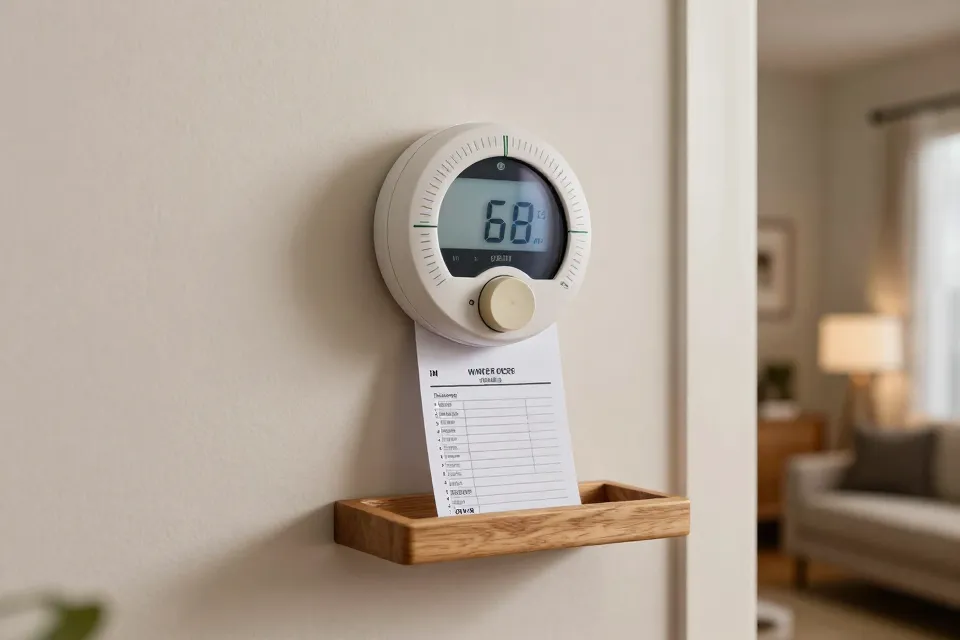
Way 2 — Let the thermostat do the remembering. An ENERGY STAR certified smart thermostat can cut heating and cooling bills by more than 8 percent on average — about $50 a year — and closer to $100 a year for homes that sit empty for big parts of the day, according to ENERGY STAR. An older programmable model works too, as long as it follows the same 8-hour schedule.
Way 3 — Use fans and curtains like an energy pro. A ceiling fan uses a fraction of the power an air conditioner needs, but its real gift is comfort: if a fan lets you move the thermostat 7 or more degrees for 8 hours a day, the DOE puts the possible saving at up to 10 percent of heating and cooling costs. Curtains matter too. Close shades and drapes in warm weather to keep the sun out, and open them on winter days to let sunlight help warm the house, ENERGY STAR says. Consumer Reports adds that, per the DOE, medium-tone curtains with a white backing can keep about a third of the sun's heat out of a room.

Four Low-Cost Fixes That Shrink the Electric Bill
Way 4 — Swap the bulbs you use the most. ENERGY STAR certified LED bulbs use up to 90 percent less energy than standard bulbs and last about 15 times longer. Simply replacing the bulbs in the five fixtures your household uses most can save about $40 a year, ENERGY STAR says. Replace every old bulb in the house and the typical yearly saving climbs to about $225, according to the Department of Energy, as reported by Consumer Reports.
Way 5 — Seal the sneaky leaks. Around 25 to 40 percent of the energy used on heating and cooling slips out through small gaps around windows, doors, and baseboards, Consumer Reports says. The fix is cheap: roughly $30 worth of caulk and weatherstripping can cut energy use by at least 10 percent — about $188 a year for a typical home, based on federal figures CR cites.

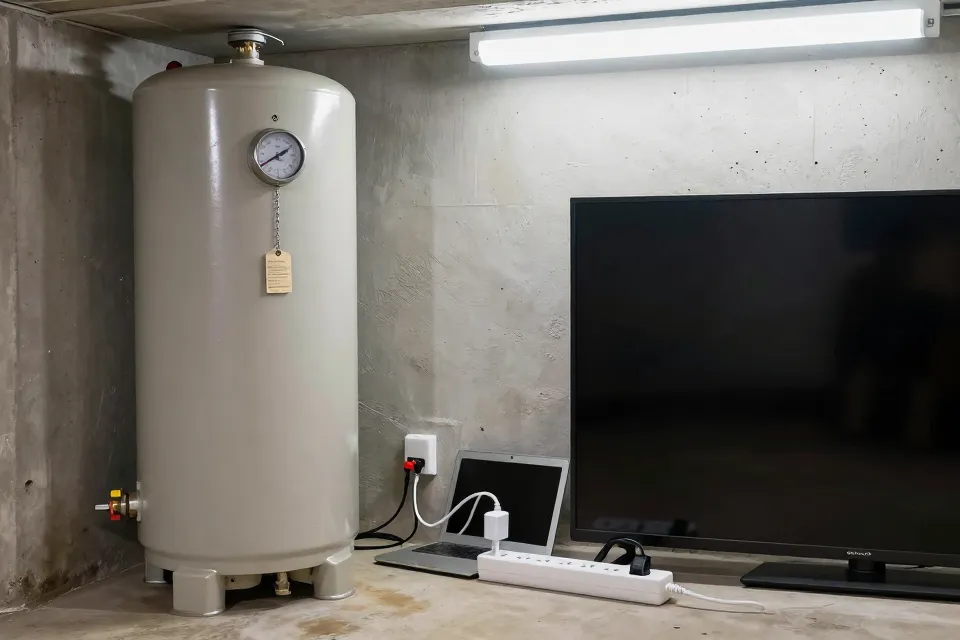
Way 6 — Turn down the water heater. Many older water heaters sit at 140°F, which is hotter than most households need. Consumer Reports says resetting one to 120°F can cut the water-heating share of your energy bill by 4 to 22 percent — worth roughly $75 to $414 a year, based on DOE figures. Check your heater's manual before changing anything, and keep whatever setting it recommends for your model.
Way 7 — Unplug the energy vampires. TVs, cable boxes, computers, and chargers keep sipping small amounts of power even when they look off. That standby draw is real: consumer electronics account for about 10 percent of the electricity a typical home uses, according to data ENERGY STAR shares from the Consumer Technology Association. Plug the gadgets in your TV corner and home office into a power strip and flip it off when you are done. How many dollars that saves depends on your home — expect a small, steady win rather than a huge one.
Cancel the Money You Spend Without Thinking
Way 8 — Do a subscription audit. Streaming services, gym memberships, and magazine renewals are easy to forget because the charges are small and monthly. The Federal Trade Commission suggests a simple habit: walk through your bank and credit card statements and circle every recurring charge. Then work the list like this:
- Contact each company and follow its cancellation steps. Keep a copy of your request and notes about the call. The FTC says these records matter if there is a dispute later.
- Watch your statements after you cancel. Many subscriptions renew automatically and keep charging until you actually cancel. If a charge shows up anyway, dispute it with your card issuer; the FTC warns that simply getting a new card number is often not enough.
- Report companies that will not stop. The FTC asks consumers to report recurring-charge problems at ReportFraud.ftc.gov or to their state attorney general.
How much you recover depends entirely on what you find. For a household with two or three forgotten services, though, the yearly total is rarely zero.

Compare and Negotiate the Two Bills Everyone Forgets
Way 9 — Shop your insurance once a year. Car insurance is not on autopilot: rates change, and companies price the same driver differently. NerdWallet compared the nine largest insurers and found a good driver with good credit could pay $337 a month with the priciest one and $136 with the cheapest — a gap of thousands of dollars a year. Your mileage will vary, so get quotes from several companies at the same coverage level every year. Then work the levers that matter:
- Ask about discounts. Check the insurer's discount list and ask an agent to review your policy — bundling, safe-driving, and low-mileage credits often go unclaimed, NerdWallet says.
- Look at your deductible. A higher deductible usually means a lower premium. Savings differ by company, so compare quotes at different deductible levels before you decide.
- Reconsider old-car coverage. If a car is worth less than the deductible plus a year of collision and comprehensive coverage, that coverage may never pay out, NerdWallet explains. If you drop it, set the money you would have paid into a repair fund — and keep whatever coverage your state requires.
None of this endorses a company or a policy. Coverage decisions depend on your situation; a licensed agent or your state insurance department can answer questions.

Way 10 — Make one phone call about your phone bill. The average American cell phone bill ran about $141 a month in 2024, according to a J.D. Power study cited by NerdWallet. Before you call your carrier, look at your plan and check how much data you actually use. NerdWallet's negotiation playbook includes asking whether you qualify for a cheaper data tier, whether you are paying for features you never touch, and whether long-time customers qualify for loyalty discounts. It also suggests mentioning a competitor's advertised price and asking if your carrier will match it.

Bonus: Save at the Store Without Clipping a Paper Coupon
Groceries are a monthly bill too, and the savings here follow a simple pattern. Store-brand basics — cereals, canned goods, dairy — typically run about 15 to 25 percent cheaper than the name-brand versions, and the price gap grows for personal-care items, Consumer Reports says. Grocery loyalty apps let you clip digital coupons that are applied at checkout automatically. How much this trims your total varies with how you shop, but the direction is consistent: house brands do the same job for less.

Don't Fall for These Money Myths
| Myth | What the numbers actually say |
|---|---|
| Turning the thermostat back for 8 hours is pointless — the house just warms up again. | A 7- to 10-degree shift for at least 8 hours a day can cut yearly heating and cooling costs by up to 10 percent (U.S. DOE). |
| LED bulbs cost too much to bother with. | They use up to 90 percent less energy and last about 15 times longer than standard bulbs (ENERGY STAR). |
| Once I cancel, the charges stop on their own. | Many subscriptions auto-renew and keep charging until you actually cancel; a new card number is often not enough (FTC). |
| My insurance rate is locked until renewal. | Rates differ sharply between companies, so comparing quotes once a year is the standard habit (NerdWallet). |
Your 30-Day Plan
Here is the whole guide squeezed into four easy weeks:
- Week 1 — Set the thermostat schedule. Swap the bulbs in the five rooms you use most. Put the TV and computer on power strips.
- Week 2 — Caulk the obvious gaps and check the water heater setting.
- Week 3 — Do the subscription audit from starting point to final report.
- Week 4 — Get insurance quotes, make the phone call, and try a couple of store brands.
Start anywhere you like — the order does not matter. What matters is picking one and doing it this week.

Before you begin, test what you already know about home electricity: Electrician Basics Quiz.
Content on KnowHow Bench is for general information only and is not financial advice. See our Disclaimer for details.